
7 House designs with detached garage You Should Know
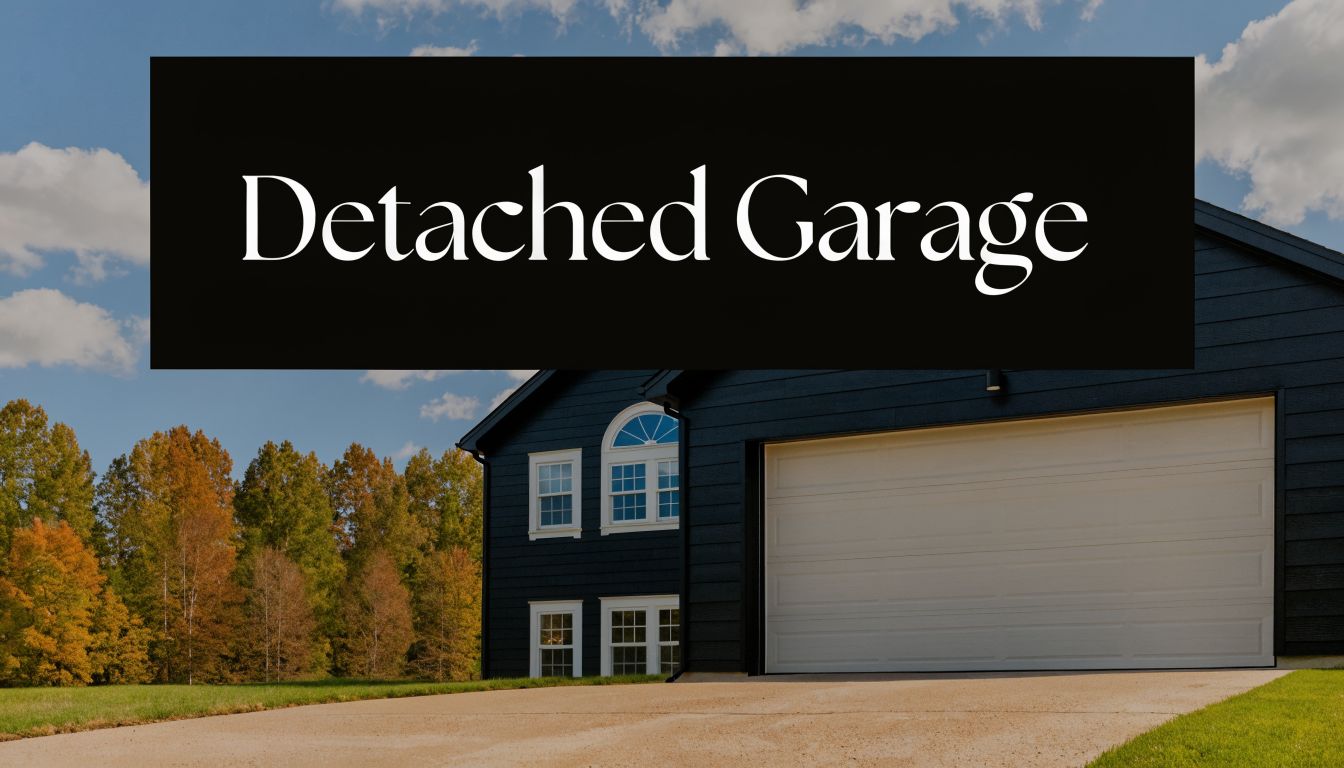
You find a house plan you like. Then the front view loads, and two oversized garage doors take over the facade. The bedrooms work. The kitchen works. The curb appeal does not.
That is usually the moment detached-garage layouts start to make more sense. They give the house room to look like a home first, while the garage handles parking, storage, a workshop, or future flex space somewhere else on the lot.
The idea is not new. Detached garages were common before attached garages became standard in later suburban development. What makes them appealing now is how many problems they can solve at once. A separate structure can reduce noise near bedrooms, keep fumes farther from living areas, and give you more freedom with driveway layout, backyard access, or a future room above the garage.
Placement is where many buyers get tripped up. On paper, a detached garage looks simple. On an actual lot, it works like a second small building with its own circulation, grading, and foundation needs. In Pennsylvania, Maryland, Delaware, and New Jersey, that often means checking how the driveway approaches the garage, where water will drain, and how frost depth affects footings and slab design. If you are still deciding on size, it helps to compare common 2-car garage dimensions and layout options before you fall in love with a plan that does not fit the site.
That is the practical side many roundups skip. A detached garage is not only an architectural choice. It is also a planning choice, because the right design has to work with excavation, drainage, utility runs, and day-to-day use once the house is built.
Below are seven plan sources worth knowing if you want a detached-garage home that looks right on paper and works well on a real lot.
1. Architectural Designs
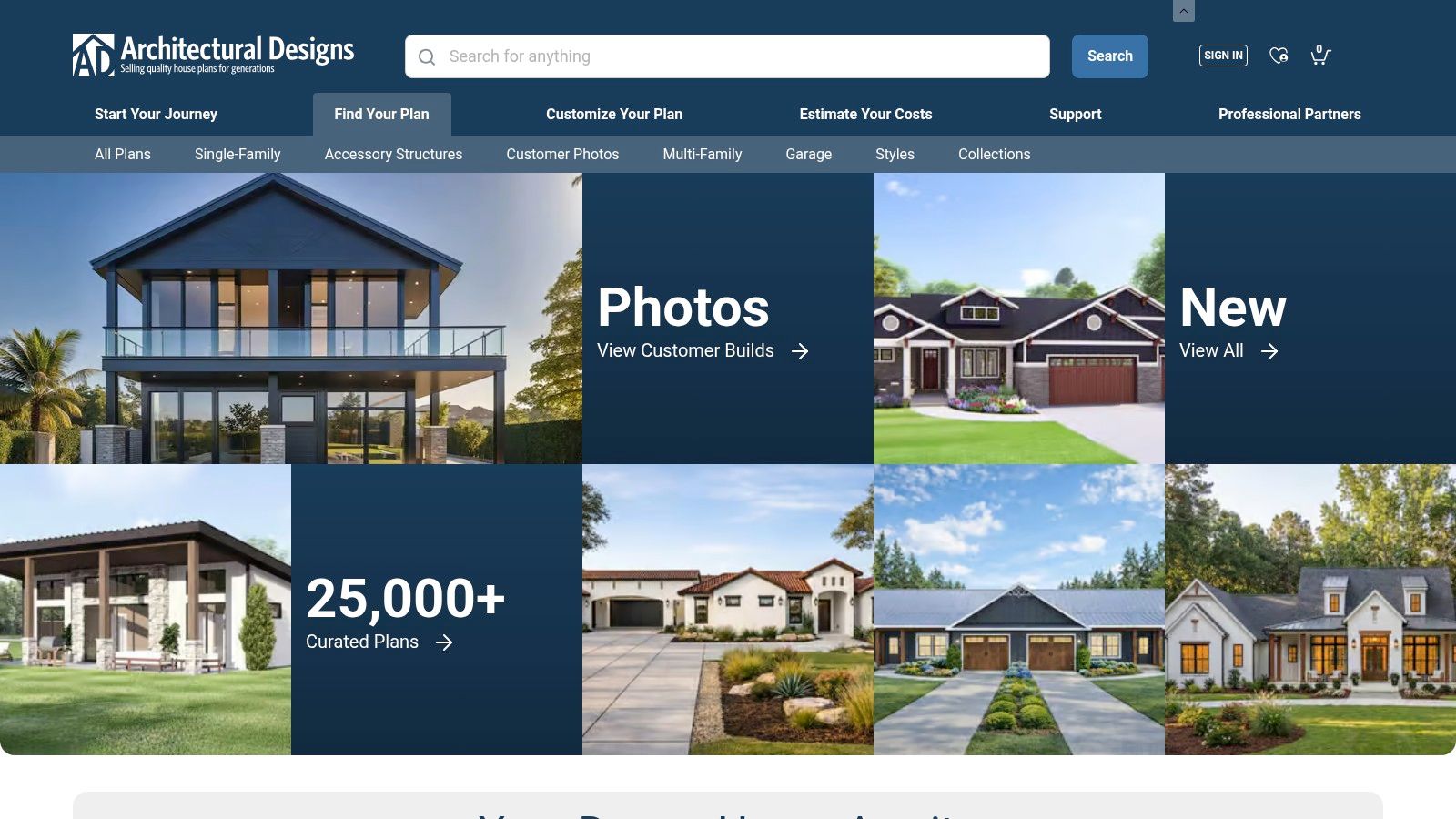
You find a house plan you like. Then you notice the garage sits awkwardly on the lot, crowds the front view, or leaves no clean path for the driveway. Architectural Designs helps at that stage because you can compare full house plans and detached garage options in one place, instead of trying to match pieces from separate catalogs after the fact.
Architectural Designs is a good first stop if you want variety without losing coordination. The site gives you a wide range of house styles, but its key advantage is practical: you can study how the garage relates to the house, not just whether the garage itself looks appealing. For detached layouts, that relationship matters as much as square footage.
Why it works for detached planning
Detached garages change how the whole property works. The house, garage, driveway, and yard have to function like parts of one plan. A layout can look balanced in an illustration and still create a long walk in bad weather, a tight turning radius, or a backyard cut in half by pavement.
That is where Architectural Designs is useful. You can review farmhouse, craftsman, traditional, and modern plans side by side and ask a better question: which style still works once the garage becomes its own building?
The modification option also matters. Detached-garage plans often need small but meaningful changes, such as rotating the garage doors away from the street, shifting the structure deeper on the lot, or allowing room for a workshop or future guest suite above. Those are the details many roundups skip, even though they often decide whether a plan feels convenient after move-in.
A simple way to judge any plan is to look at the front elevation first. If the garage mass would dominate the street view in an attached version, a detached arrangement may give the house a clearer identity and a more balanced facade.
Future use is another reason this plan source stands out. Some buyers need only parking now, but the detached building may later serve as storage, hobby space, a home gym, or living space above the bays if zoning allows. That makes the garage less like an oversized accessory and more like a second small building with a job that can change over time.
If you are comparing plans for a two-car setup, it also helps to check them against real build requirements for prefab detached garages and common site-fit considerations. That comparison often exposes issues early, especially with slope, access, and spacing between the house and garage.
2. The House Designers
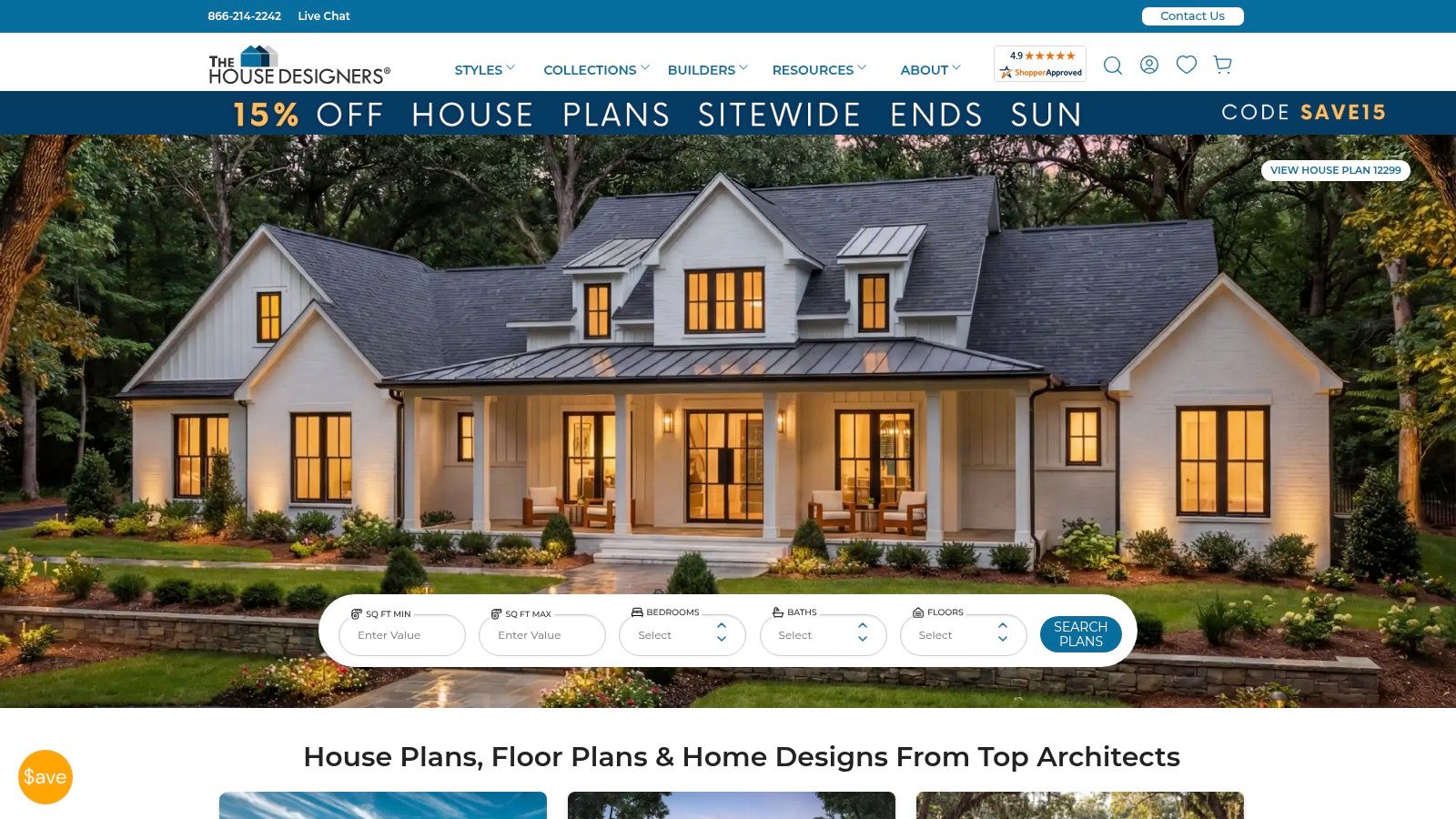
Some websites make you hunt. The House Designers is better when you already know the kind of garage you want and want to narrow the field quickly.
Its filters are especially helpful for detached layouts because you can sort by bay count, living space, foundation type, and breezeway-related options. That saves time if you’re trying to answer a specific question, like whether a detached RV garage makes sense on your lot, or whether a smaller carriage-house style structure could work behind the main home.
A better fit for practical shoppers
This platform is useful for homeowners who think like builders. You can compare garage-heavy plans with a little more precision, then follow up with live support when a layout almost works but needs adjustments.
That support matters because detached projects often involve siting questions more than house questions. How far from the house should the garage sit? Can you angle it to improve driveway access? Will the plan still work if grade changes push you toward a slab or a different footing approach?
One of the stronger reasons people keep choosing detached garages is flexibility. In one real-world case study, adding a detached garage structure with a bedroom, bathroom, and kitchenette increased total habitable space by roughly 600 to 800 square feet, or 25 to 30 percent, on a property with a 2,500 square foot main house, according to this detached garage case study.
Detached space tends to solve more than one problem at once. Parking, storage, privacy, and future guest use can all live in the same footprint.
If you’re weighing detached options against a manufactured or modular route, it also helps to compare plan selection with real-world prefab detached garage foundation needs. A plan can look simple on screen and still require careful slab prep on site.
3. Donald A. Gardner Architects
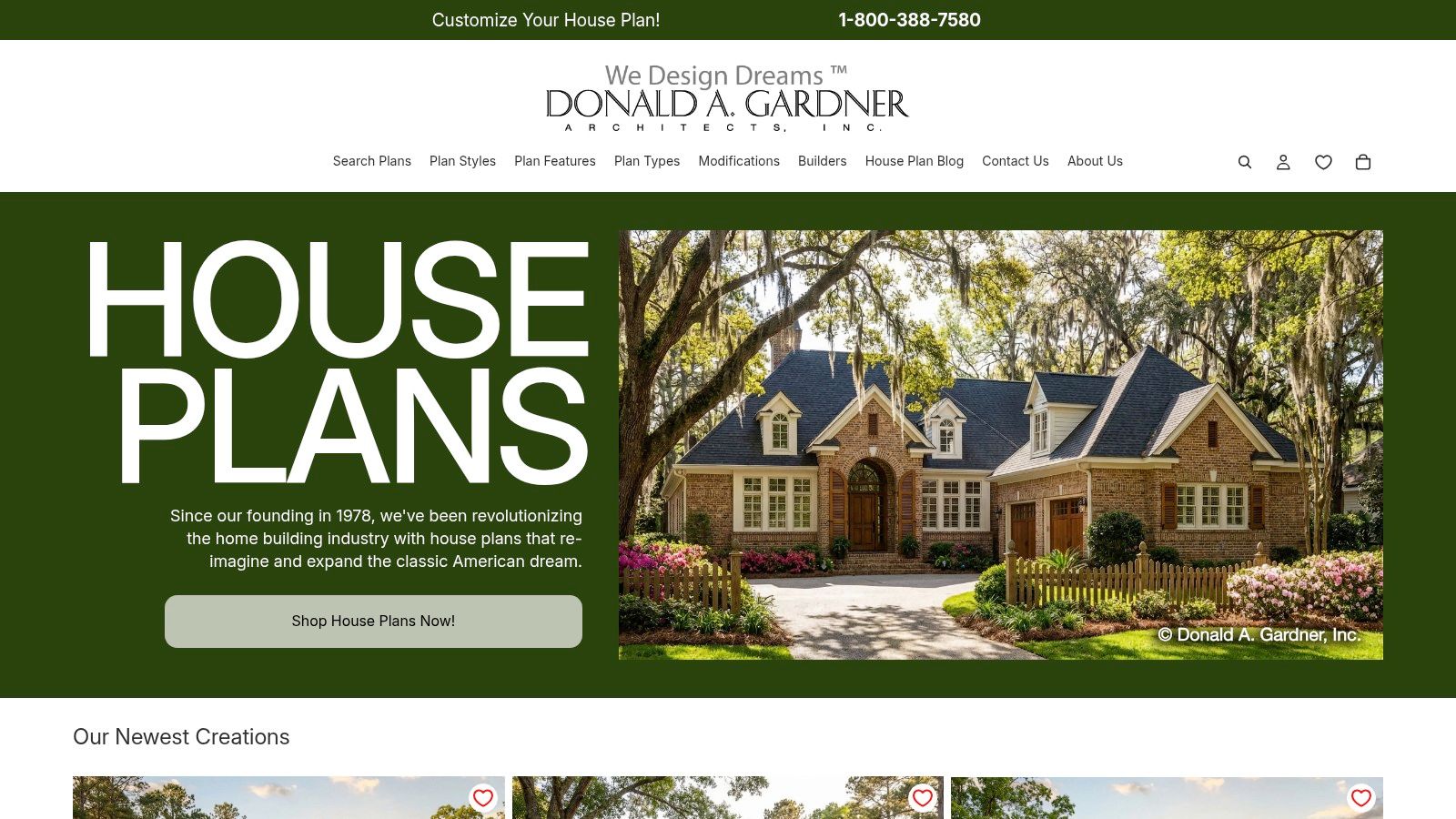
A detached garage can either feel like a planned wing of the property or like a second building that happened to land nearby. Donald A. Gardner Architects is a strong option for buyers who care about that difference.
Its detached garage plans usually read as part of a full composition. You see that in courtyard arrangements, porch connections, and breezeway layouts that create separation without making the garage feel disconnected. The result is similar to good furniture placement in a room. Each piece has its own job, but the spacing still feels intentional.
That design-first approach is useful if the house itself is your priority. Gardner’s catalog leans traditional, Southern, and classic, and those styles often handle detached placement well because they already rely on proportion, symmetry, and clear outdoor rooms. A garage set off to the side or behind the house can support that look instead of competing with it.
This matters on lots where an attached garage would take over the front elevation.
A few practical strengths stand out here:
- Original architectural logic: The garage placement often feels considered from the start, which helps if you want the whole property to read as one design.
- Useful plan package choices: PDF, CAD, and related file options can make builder review and plan changes more straightforward.
- Layouts that suit wider sites: Courtyard and side-yard relationships tend to work best when the lot gives you enough width to shape the driveway and outdoor space together.
There is a tradeoff. A beautiful detached layout on paper still has to work with the actual site. If the lot slopes, holds water, or forces a long driveway run, the garage location may need to shift. That can change how a breezeway lines up, how people walk from car to kitchen, and how much paving the project needs.
That is the part many roundups skip. With Gardner-style plans, the question is not only, "Do I like this house?" It is also, "Does my lot let this composition work?" If the answer is yes, these plans can produce a detached garage setup that feels planned from day one rather than added later.
4. Alan Mascord Design Associates houseplans.co
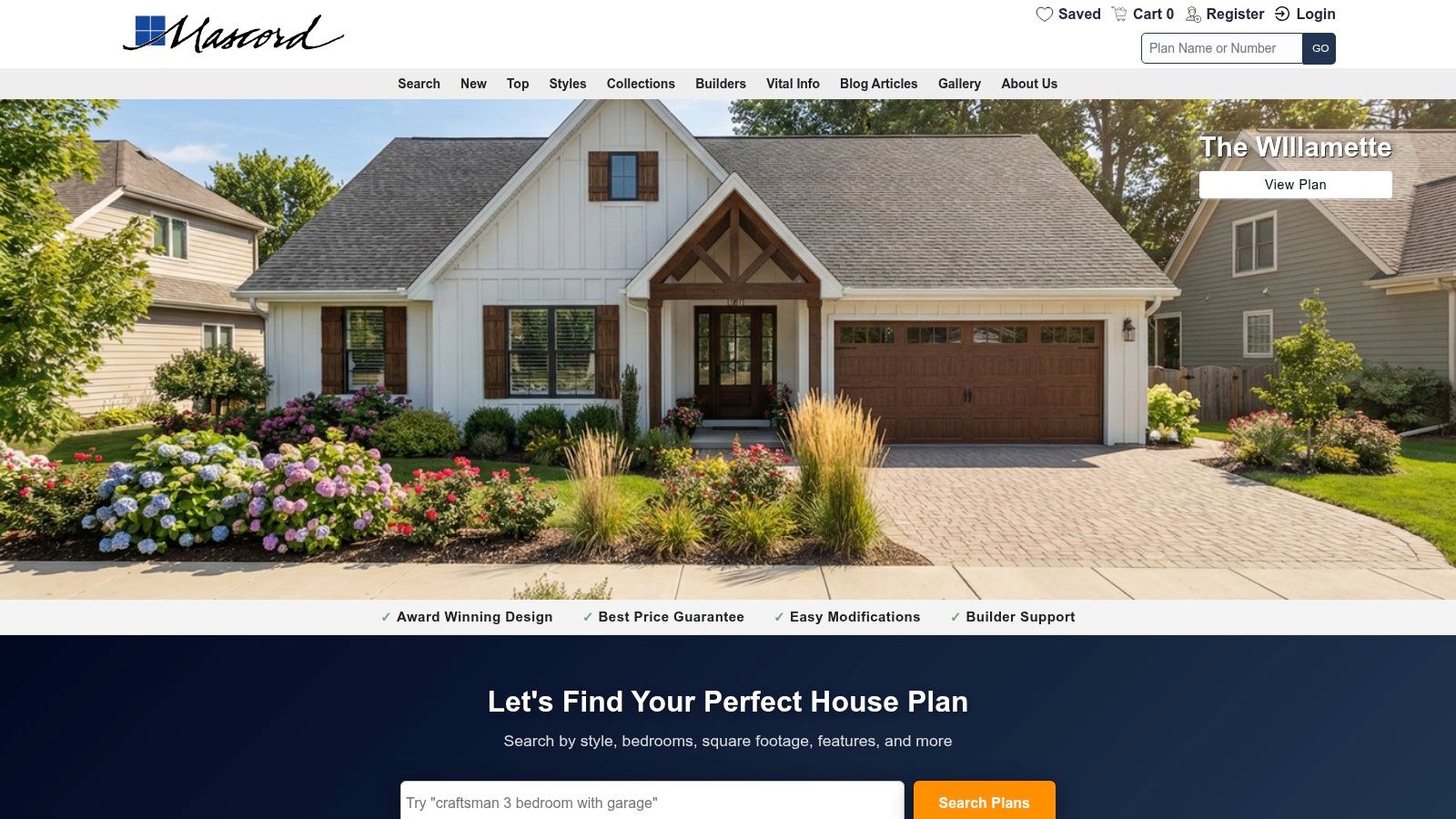
Alan Mascord Design Associates at houseplans.co tends to appeal to homeowners who want detailed plan information before they buy. That’s useful for house designs with detached garage layouts because detached projects often involve more site decisions up front.
Rear-load and side-sited relationships show up often here. That can be a big advantage on suburban lots where the front facade needs to stay clean, or where a detached structure fits better behind the home.
Good for buyers who ask technical questions early
This is the kind of plan source that helps when you’re already thinking about engineering, local permitting, and foundation choices. It doesn’t treat those concerns like afterthoughts.
That approach lines up with a real gap in detached garage content. In the PA, MD, DE, and NJ region, site prep can be one of the hardest parts because variable soils, freeze-thaw cycles, and drainage all affect long-term performance. Local codes in that region require minimum 42-inch frost depths, and improper excavation can lead to repair costs that are 20 to 30 percent higher within 5 years, according to this regional detached garage site preparation discussion.
Site note: A detached garage plan isn’t complete until the lot, drainage path, and frost-depth requirements are part of the conversation.
Mascord’s style mix also works well for buyers who want a detached garage without going fully rustic or overly ornate. Craftsman and modern-traditional homes often pair naturally with a side or rear detached garage, especially when the driveway approach doesn’t force the garage into the center of the lot.
This is a good pick if you’d rather deal with technical questions before purchase instead of after your contractor starts asking for missing details.
5. The Plan Collection
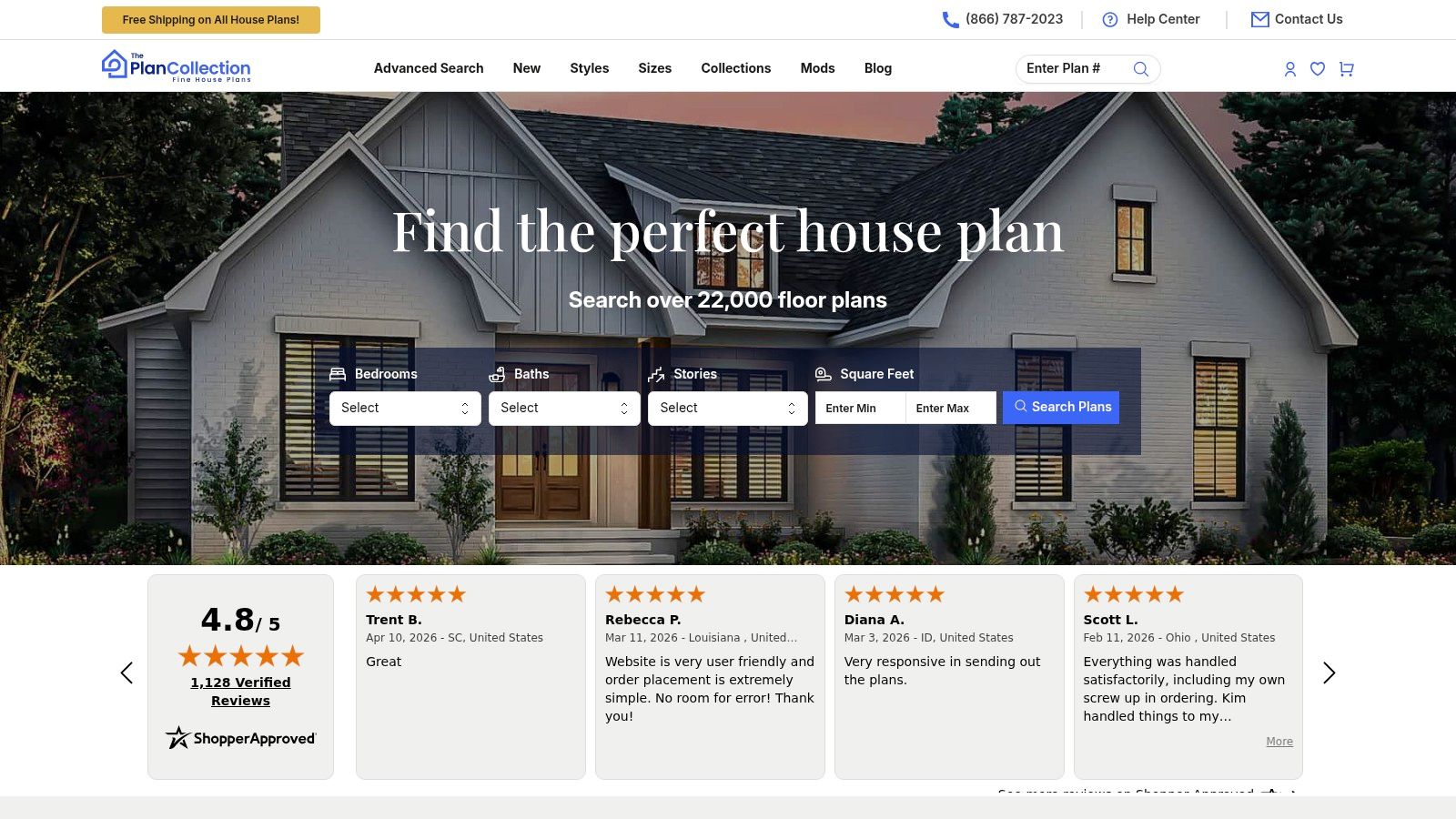
The Plan Collection works well for a common early planning moment. You know you want a house design with detached garage, but you do not yet know which version fits your property or your daily routine.
That is where this site is useful. It lets you compare plan types quickly by bay count, garage style, square footage, and whether the detached structure includes a loft or apartment space. For a buyer in the sorting stage, that speed matters because detached garages come in very different forms, and those differences affect driveway layout, backyard space, and future use.
Best when you need to sort options before choosing details
A detached garage is a little like choosing between floor plan layouts inside the house. Two plans may look similar in a thumbnail, but one gives you simple car storage while another creates room for a shop, a home office, or living space above. The Plan Collection makes those format differences easier to spot side by side.
That side by side view is the main advantage here.
If you are comparing a one-bay garage to a two-bay setup, or a plain outbuilding to a garage apartment, this catalog helps you narrow the field before you start worrying about fine detail. That can prevent a common mistake. Buyers often start by focusing on style and only later realize the garage needs to handle bicycles, lawn equipment, hobby tools, trash storage, and guest parking, not just cars.
A detached garage also helps solve a practical household problem. It gives clutter a place to go without pushing every storage need into the main house. If your goal is to keep the front elevation clean while still adding useful square footage, reviewing several detached formats in one place can help you see which tradeoffs feel reasonable.
- Fast filters: Useful for comparing one-car, two-car, RV, and apartment-style detached garages.
- Good category range: Helpful if you are still deciding between storage, workshop, and living-space uses.
- Less technical guidance: Better for narrowing options than for answering site-specific construction questions.
If you are in Honey Brook Township or nearby service areas and trying to match a plan to a real lot, this kind of broad comparison can save time before you call garage foundation contractors near me or start pricing concrete foundations.
6. Archival Designs
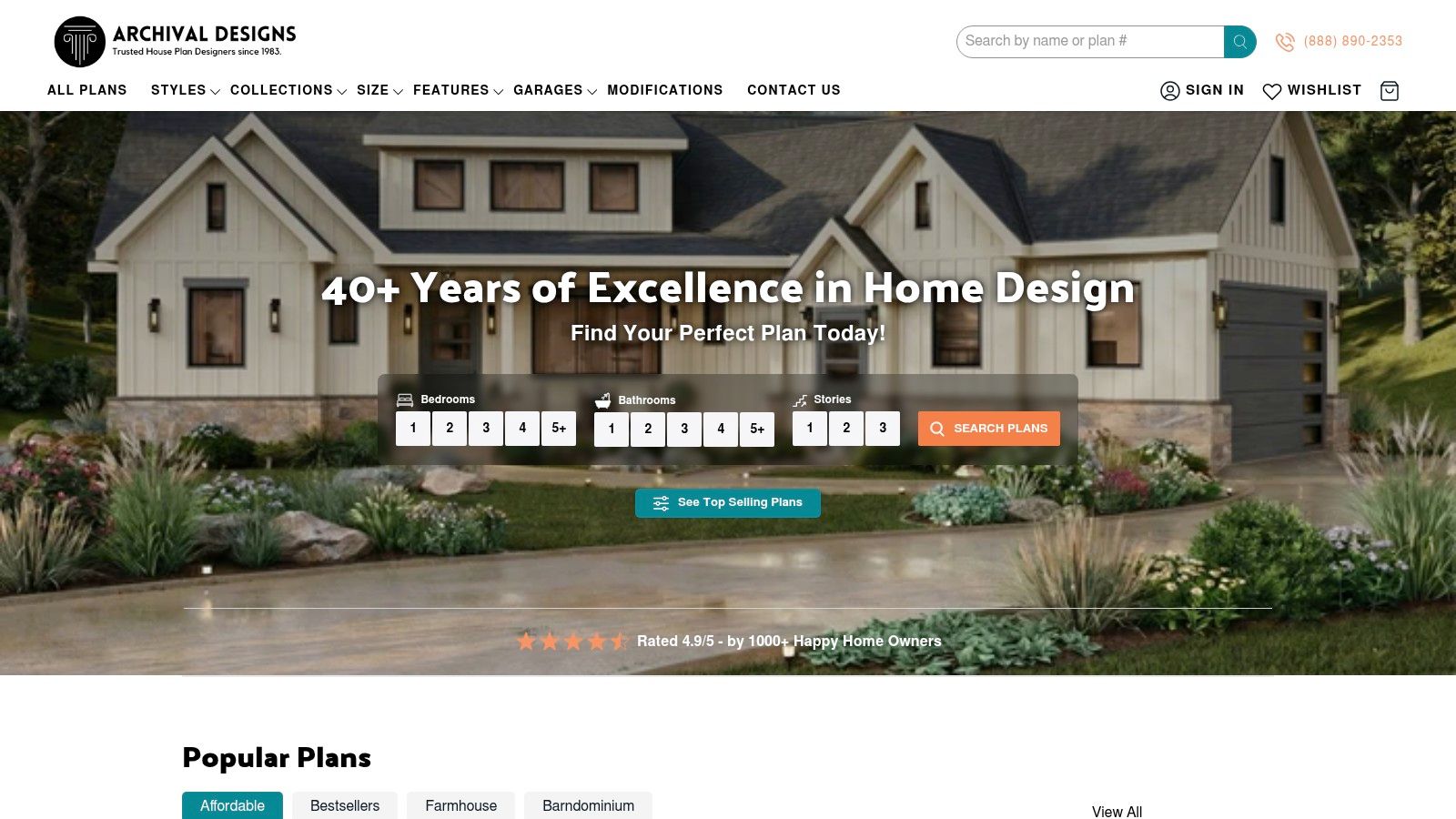
Archival Designs feels smaller and more curated than the big marketplaces. That can be a relief if mega-catalog browsing leaves you with too many options and no direction.
The detached garage collection is easier to digest. You’re more likely to move from “interesting idea” to “this could work on my property” without opening endless tabs.
A practical fit for style-conscious buyers
This platform tends to work well for homeowners who care about architectural character but still want practical use from the garage. Workshops, lofts, and garage-apartment concepts fit naturally into the catalog.
That matters because detached garages are often about more than vehicle storage. In a broader analysis of modern detached garage plans, detached placement reduced indoor pollution and noise infiltration, with attached garages transmitting around 60 to 70 dB of vehicle noise indoors while detached units limited transfer to under 40 dB, according to this detached garage analysis from Fine Homebuilding. If someone in your home wants quiet work space, hobby space, or guest privacy, that separation is a real design benefit.
A detached garage often improves daily life in small ways. Fewer fumes near living areas, less noise through shared walls, and more freedom to use the space for messy work.
Archival Designs is also a good reminder that detached garage planning isn’t only about square footage. Placement, use, and comfort all matter. If the building is going to become a workshop, studio, or guest suite later, the right plan today can prevent an expensive redesign later.
7. Family Home Plans
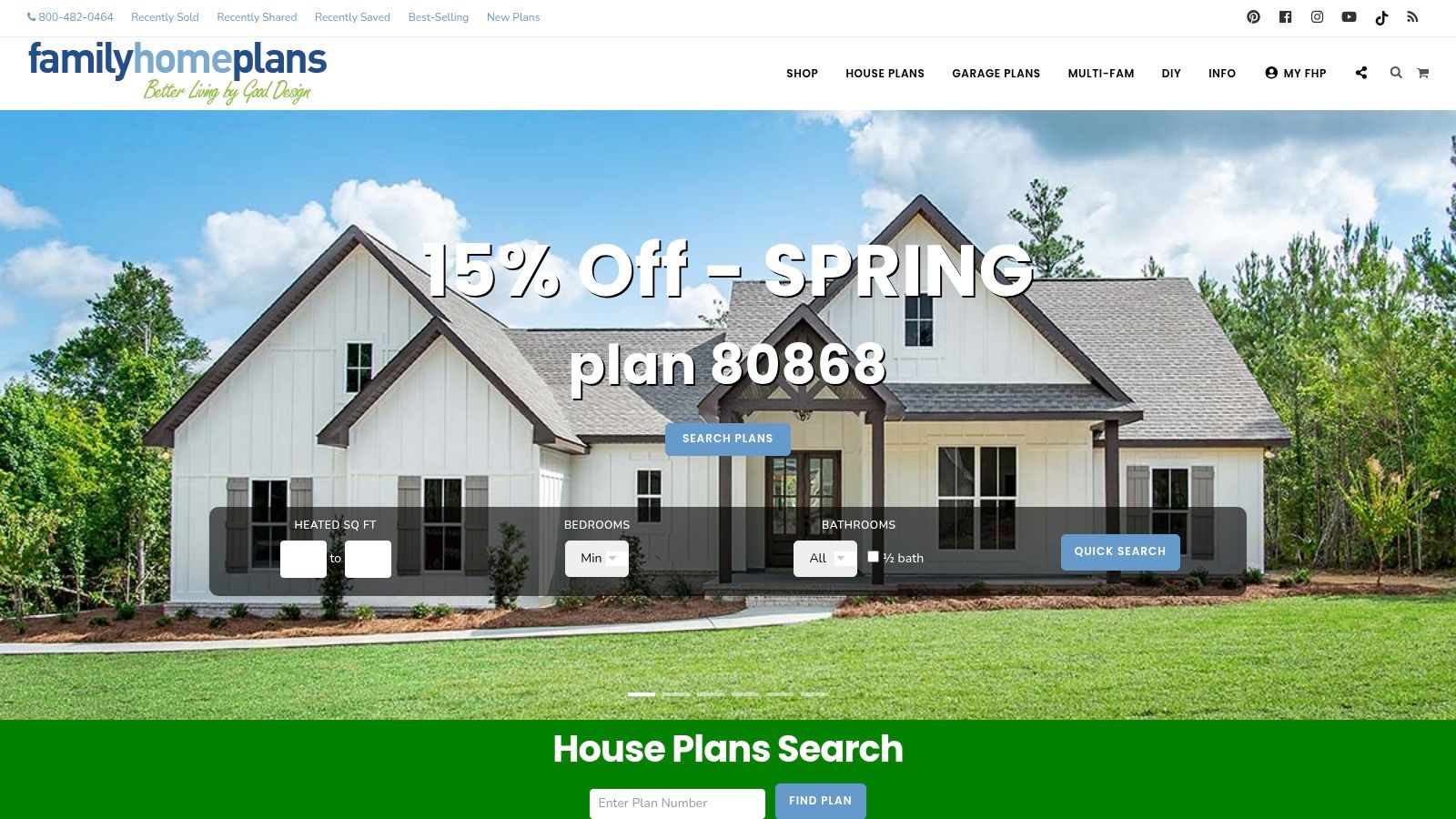
Family Home Plans is a good option if you want a broad price range and a lot of detached garage formats in one marketplace. It includes compact one-bay garages, larger multi-bay options, and many carriage-house layouts with living space above.
This is often the kind of catalog people use when they’re balancing budget with future flexibility. You may not need a garage apartment today, but you might want the option later. That’s where this marketplace becomes useful.
Where flexibility meets budget planning
Many buyers like Family Home Plans because the package tiers are clear. PDF, CAD, builder sets, and related options make it easier to match the purchase to your builder’s process.
It also fits with a growing question homeowners keep asking. Is detached worth the extra upfront foundation planning? One underserved angle in the market is exactly that comparison. Detached garages can add 10 to 15 percent resale value in suburban Northeast markets due to flexibility for ADUs or workshops, but initial foundation expenses average $8 to $12 per square foot higher without optimized excavation, according to this detached versus attached cost discussion.
A few reasons people choose this platform:
- Wide pricing spread: Helpful if you want to compare basic builds with more ambitious carriage-house plans.
- Garage apartment choices: Useful for guest space, rental potential, or multigenerational living.
- Material list availability on many plans: Helpful for early cost conversations.
If you’re already searching terms like garage foundation contractors near me, garage footings and foundations, or concrete foundation for garage in Pennsylvania, Maryland, Delaware, or New Jersey, this is the point where design shopping should meet foundation planning.
Top 7 Detached-Garage House Designs Compared
| Provider | Implementation Complexity | Resource Requirements | Expected Outcomes | Ideal Use Cases | Key Advantages |
|---|---|---|---|---|---|
| Architectural Designs | Moderate, ready-made plans but may need local engineering or mods | In-house modification service, pro support, cost-estimating tools | Wide, adaptable selection of detached garages and paired house plans | One-stop shoppers wanting many modern/traditional detached options with modification support | Large catalog, visible plan starting prices, in-house mods and estimating |
| The House Designers | Moderate, many filterable options; some pairings require modification requests | Live chat/phone support, builder resources, cost-to-build info | Targeted garage selections with guidance for siting and code questions | Buyers needing guided selection and clear garage filters (including breezeway/ADU) | Explicit garage filters and responsive phone/chat support |
| Donald A. Gardner Architects | Moderate, designer-origin plans with clear packaging; some delivery lead time | Designer-direct technical support, multiple deliverable packages (PDF/CAD) | Well-documented plans suitable for permitting and technical questions | Homeowners requiring designer support and clear deliverables for permitting | Original-designer support, clear plan packaging and reverse/CAD options |
| Alan Mascord Design Associates (houseplans.co) | Moderate, plans consider detached placement but may need site-specific engineering | Designer support, plan package options, notes on engineering/foundation needs | Transparent pricing and technically considerate designs for strict-permit regions | Regions with stricter load/permitting requirements or buyers wanting pricing clarity | Pricing transparency, direct designer support, foundation/engineering notes |
| The Plan Collection | Low–Moderate, fast scanning and filters; documentation varies by vendor | Buyer due diligence on vendor documents, filters for bays/stories/size | Quick comparison across many detached garage formats and budget entries | Shoppers comparing many formats/prices quickly or seeking basic budget options | Fast price/spec visibility and strong filters for quick narrowing |
| Archival Designs | Low, curated collection with straightforward purchasing incentives | Cost-to-build indicator, price guarantee, free shipping on printed sets | Simple, curated selection with clear "from $" pricing and buying incentives | Buyers wanting a smaller, curated set with transparent purchase terms | Curated catalog, price guarantee, free shipping and cost indicators |
| Family Home Plans | Moderate, very wide selection and multiple plan tiers; variable documentation | Multiple package tiers (PDF/CAD/builder sets), material lists, possible license add‑ons | Broad choice including carriage-house and multi-bay garages with material lists for estimating | Buyers seeking many ADU/carriage-house options and material lists for budgeting | Competitive pricing on basics, many garage-with-apartment options and material lists |
Final Thoughts
The best house designs with detached garage layouts do two jobs at once. They improve how the property looks, and they make the property work better day to day. That could mean cleaner curb appeal, more privacy for hobbies, a better place for storage, or future living space that doesn’t crowd the main house.
The planning stage is where most homeowners either save themselves trouble or create it. A detached garage has more freedom of placement, but that freedom comes with site questions. You need to think about driveway approach, drainage, slope, frost depth, setbacks, and whether the garage will stay a garage or become something more useful later.
That’s especially true in Pennsylvania, Maryland, Delaware, and New Jersey. Regional freeze-thaw cycles and drainage conditions can make a detached garage foundation either a long-term asset or a long-term headache. A good plan source helps you narrow the design. A good foundation and excavation contractor helps make sure the structure performs on your lot.
If you’re comparing plans right now, keep the decision simple. Start with the way you want the house to look from the street. Then think about how you’ll really use the garage. Then verify that the site can support that layout without cutting corners on the base.
For homeowners looking at concrete foundations, cement foundations for garage projects, or a reinforced base for a detached structure, Firm Foundations is one local option serving Pennsylvania, Maryland, Delaware, and New Jersey. The company has worked on gravel pads and concrete foundations for detached garages and other outbuildings, with site preparation and drainage as part of the process.
A strong detached garage project starts before the concrete truck arrives. It starts when the design, placement, and foundation plan all make sense together.
If you're planning a detached garage, garage apartment, or a full property layout that needs excavation and a durable base, Firm Foundations can help with gravel pads, concrete foundations, garage footings and foundations, and site prep across Pennsylvania, Maryland, Delaware, and New Jersey. Request a quote to find out what your lot needs before you lock in the final plan.