




Explore Our Services

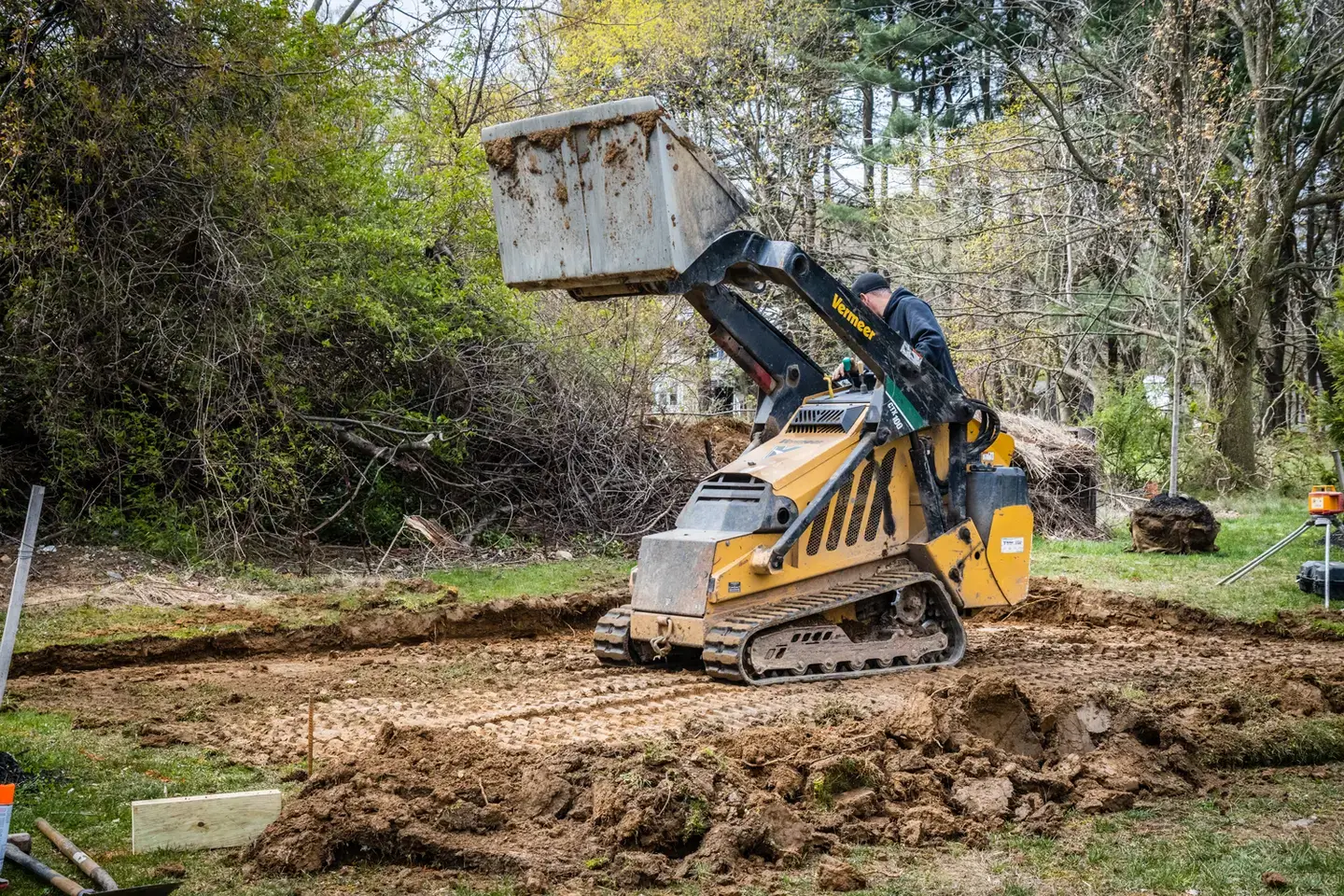
Gravel Pads
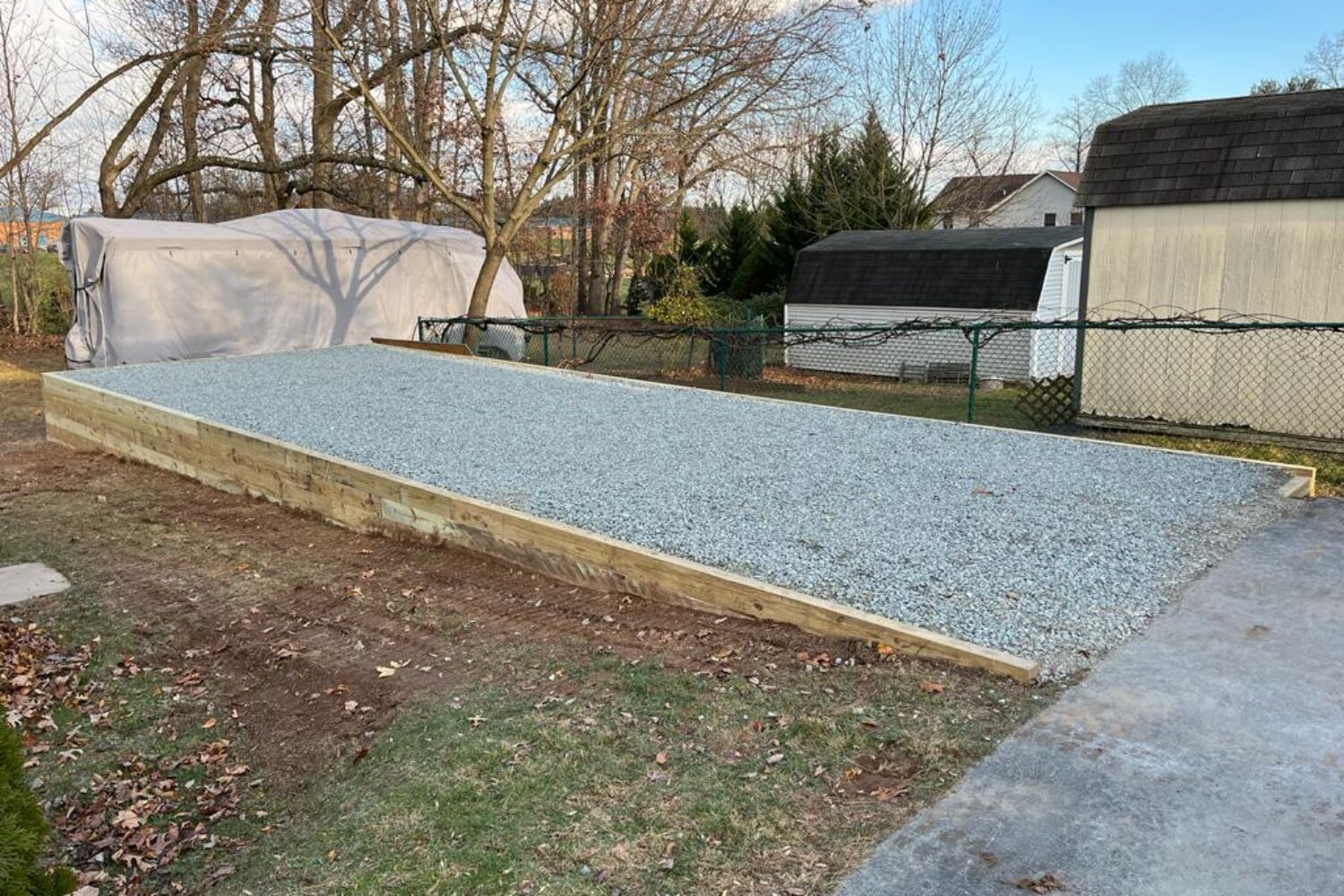
Our expert team specializes in crafting durable gravel foundations, perfect for a variety of structures. Whether it’s for a residential building or a commercial facility, we lay the groundwork for your success.
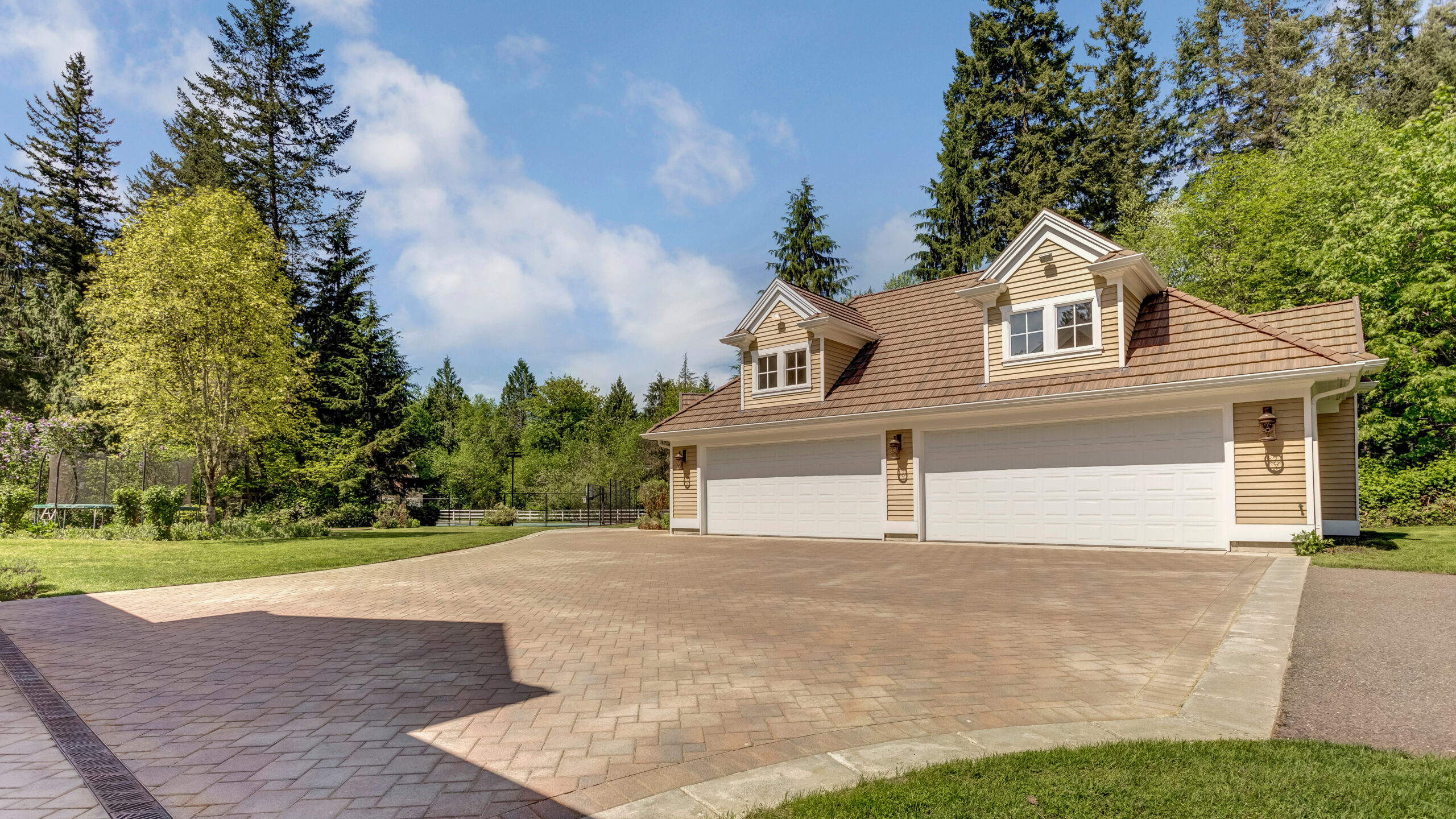
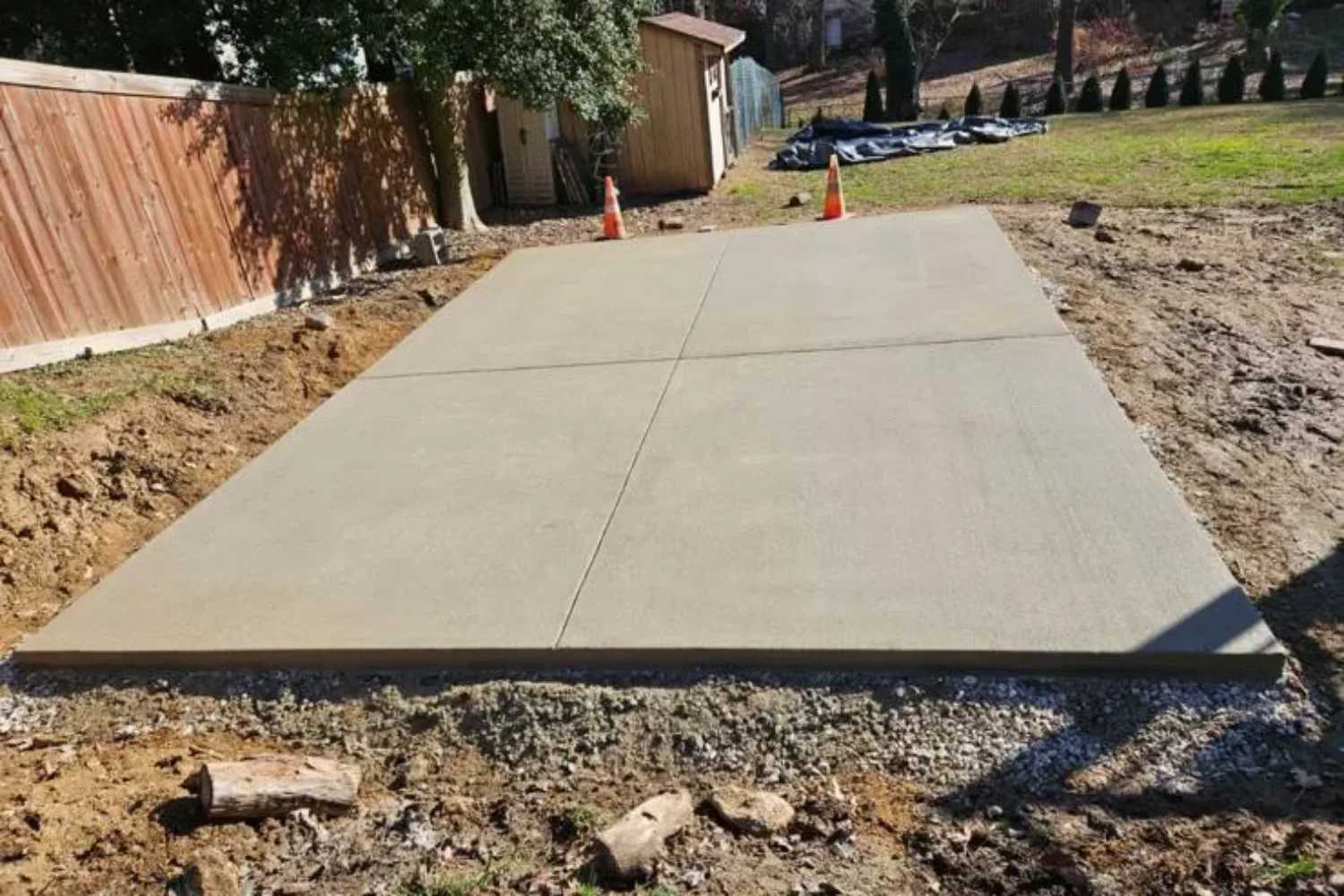
Concrete Foundations
When it comes to strength and durability, nothing beats concrete. Firm Foundations is your go-to source for exceptional concrete foundations. We provide top-quality concrete work that stands the test of time.
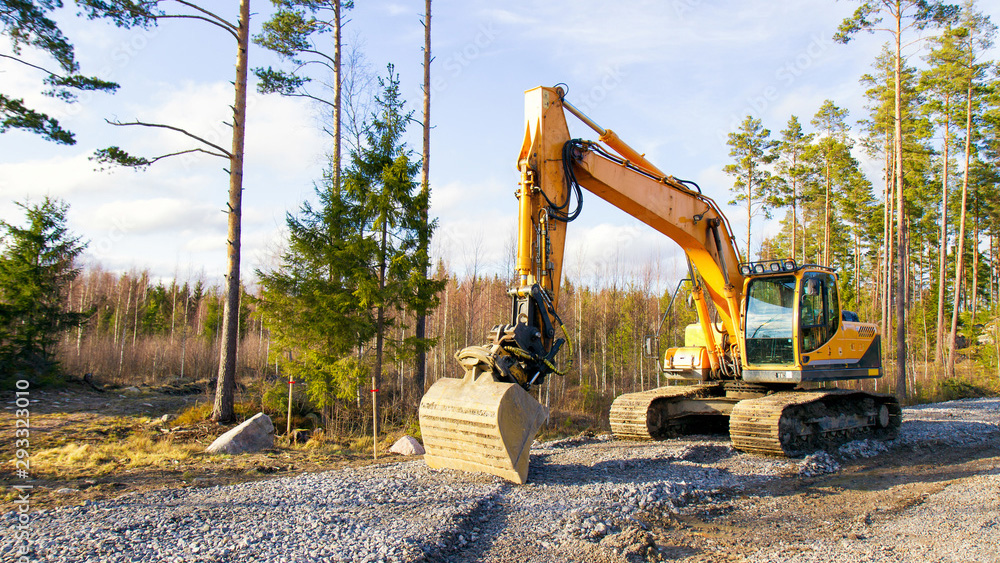
Excavation
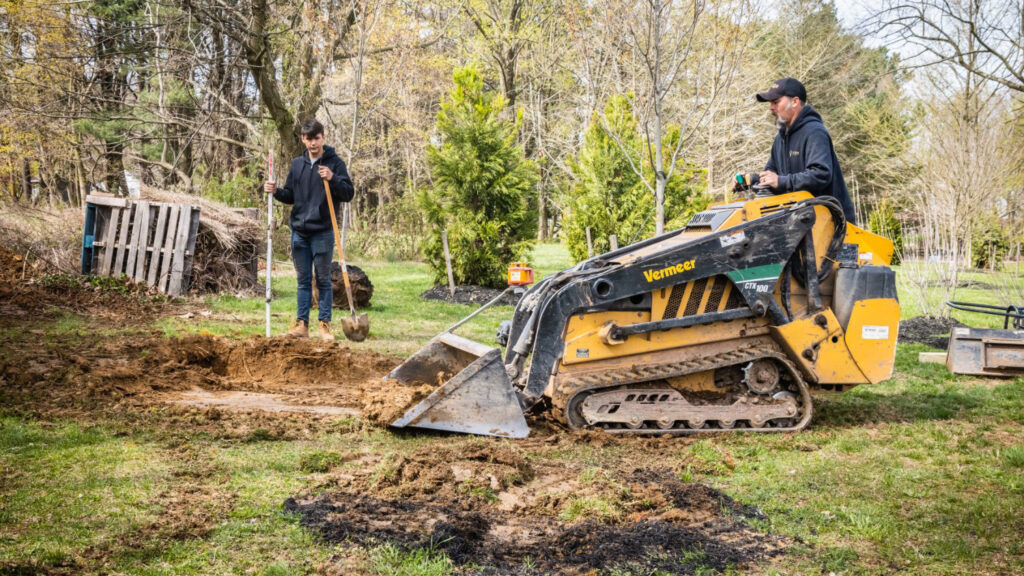
Transforming your property starts with excavation, and we’re here to make it happen. Our residential excavation services ensure that your project gets off to a solid start, with precision and care in every dig.
Installing A Foundation is Simple
Why Choose Firm Foundations?
Frequently Asked Questions
Quick answers about our gravel pads, concrete foundations, scheduling, and service areas.
What exactly do concrete contractors do?
Concrete contractors are skilled tradespeople who specialize in every aspect of working with concrete for construction projects, from small residential jobs to large commercial buildings. Their work begins with preparing the site, which includes setting up forms or molds that will hold the wet concrete in place and give it the desired shape. They then oversee the mixing and pouring of the concrete, ensuring it is distributed evenly and correctly. This step is critical, as any errors can compromise the structural integrity of the final product.
After the concrete is poured, the contractor's job is far from over. They must then finish the surface, a process that can involve smoothing it to create a level plane, adding textures for grip or aesthetic appeal, or applying curing compounds to ensure it hardens properly without cracking. Beyond new installations, concrete contractors also handle repairs and maintenance. This can include fixing cracks in a driveway, resurfacing a worn-out patio, or even demolishing and removing old concrete structures to make way for new ones.
Why are foundation blocks important?
Foundation blocks serve as a critical component in the structural integrity of many buildings, acting as the primary support system that bears the weight of the entire structure above. By utilizing durable materials like concrete or cinder, foundation blocks are designed to distribute the immense vertical load of walls, floors, and roofs evenly across the ground. This even distribution is essential for preventing structural failure; without it, the weight of the building could cause the soil to shift or compress unevenly, leading to sinking, cracking walls, or even partial collapse.
Beyond load-bearing capabilities, these blocks play a vital role in protecting a home from environmental stressors. They elevate the structure slightly, creating a barrier against ground moisture, which helps prevent rot, mold growth, and water damage to the lower parts of the building. Furthermore, their dense composition provides resistance against soil pressure and frost heave, ensuring that the base of the home remains stable despite changing weather conditions or shifting terrain. Ultimately, they provide the reliable footprint necessary for a safe and long-lasting property.
What are foundation builds?
Foundation builds refer to the comprehensive process of designing and constructing the structural base upon which a building rests. This phase of construction is arguably the most critical, as it establishes the footprint and load-bearing capacity for the entire project. A foundation build involves excavation, soil preparation, and the installation of materials—typically concrete, stone, or brick—that transfer the weight of the structure to the earth below. The goal is to create a stable, level platform that resists shifting, settling, or collapsing over time, regardless of the soil conditions or environmental challenges at the site.
The specific approach to a foundation build varies based on the type of structure being erected and the local geography. Whether it involves pouring a solid concrete slab, constructing a crawl space with piers and beams, or digging a deep basement, the purpose remains consistent: to anchor the building securely. Beyond just holding up the walls and roof, a proper foundation build also serves as a barrier against moisture, insulates against cold from the ground, and protects the structure from the natural movement of the earth, such as freeze-thaw cycles or seismic activity. Without a professionally executed foundation build, the longevity and safety of any home or commercial property would be severely compromised.
What is a concrete shed foundation?
A concrete shed foundation is a solid, level base made of poured concrete, designed to provide a stable and durable surface for a shed to sit on. The most common type is a slab foundation, which is a single, thick layer of concrete poured directly onto a prepared area of ground, often reinforced with steel bars (rebar) for added strength. This creates a permanent, flat platform that serves as both the floor of the shed and its structural support system, ensuring the building is anchored securely and protected from ground moisture.
The primary benefit of a concrete foundation is its exceptional stability and longevity. By creating an immovable base, it prevents the shed from shifting, sinking, or settling over time due to changes in the soil or weather conditions. This structural integrity is crucial for maintaining the alignment of the shed's doors and windows and preventing warping or damage to the frame. Furthermore, a concrete slab acts as an effective barrier against pests and weeds, and it elevates the structure off the damp ground, which helps to prevent rot and decay in the shed's lower components.
How do I choose the right shed foundation blocks for my project?
Choosing the right shed foundation blocks depends heavily on the size and weight of your shed. For a small, lightweight garden shed, simple solid concrete blocks may be adequate to provide a stable base. However, for larger, heavier structures designed to hold equipment or serve as a workshop, you will need to consider more robust options. It's important to distribute the shed's total weight evenly across the blocks to prevent sagging or instability. The key is to match the strength and design of the blocks to the load they will be expected to support over the long term.
The ground condition at your building site is another crucial element in your decision. On soft, sandy, or loamy soil, you will need blocks that offer a wider footprint to prevent them from sinking under the shed's weight. Conversely, on firm, compacted ground, standard blocks may suffice. In regions that experience freezing temperatures, it is vital to select blocks made from dense, high-strength concrete that can resist cracking during freeze-thaw cycles. No matter which blocks you choose, preparing the site by leveling and compacting the ground is essential for a secure and durable foundation.
What are gazebo foundations?
Gazebo foundations are the structural bases upon which a gazebo sits, designed to provide stability and support. Just like a house needs a solid footing, an outdoor structure requires a level and durable surface to prevent it from shifting, sinking, or tilting over time. This base anchors the gazebo to the ground, distributing its weight evenly and protecting the materials—especially wood—from direct contact with damp soil, which can cause rot and decay. Essentially, the foundation is the critical first step that ensures the longevity and safety of your outdoor shelter.
There are several common types of foundations used, depending on the size of the gazebo and the landscape. For smaller or temporary structures, simple patio stones or a crushed stone pad might suffice, offering a level surface with good drainage. However, for larger, permanent installations, concrete is often the preferred choice. This can take the form of a full concrete slab, which offers maximum stability, or concrete piers, which are individual footings poured deep into the ground at the structure's corners. These piers are particularly useful on uneven terrain, allowing you to elevate the gazebo and keep it level without extensive excavation.
What is the purpose of a horse barn?
The primary purpose of a horse barn is to provide safe and comfortable shelter for horses. These structures protect them from extreme weather conditions, including intense sun, heavy rain, wind, and snow, which helps prevent health issues like heat stress or skin conditions. Beyond simple shelter, a well-designed barn offers a secure environment where each horse has its own stall. This individual space allows for controlled feeding, prevents injuries from herd dynamics, and gives the animals a place to rest undisturbed. The barn acts as a safe haven, safeguarding horses from both environmental hazards and potential conflicts with other animals.
In addition to housing horses, a barn serves as a central hub for all aspects of horse care and management. It provides organized storage for essential supplies such as feed, hay, and bedding, keeping them dry and protected from pests. A properly equipped barn also includes dedicated areas for grooming, tacking up, and veterinary care, known as tack rooms and wash stalls. This organization makes daily chores more efficient and ensures that all necessary equipment, from saddles and bridles to medical kits, is readily accessible. Ultimately, a horse barn combines safety and functionality, creating an orderly and effective environment for both the horses and their caretakers.
What is the best method to clean stubborn oil stains from a garage foundation?
To tackle stubborn oil stains on your garage foundation, start by soaking up as much of the surface oil as possible. You can sprinkle an absorbent material, like basic kitty litter or baking soda, directly over the dark spot. Let this powder sit for several hours so it can pull the thick liquid out of the porous concrete. Once the material clumps up, sweep it away completely to reveal the remaining stain beneath.
Next, generously apply a heavy-duty concrete degreaser over the marked area. Let the cleaning solution rest for a few minutes so it can break down the deeply embedded grime. After letting it soak, grab a stiff-bristled brush and scrub the spot vigorously in tight circles to lift the grease. Finally, rinse the foundation thoroughly with a regular garden hose to wash away the loosened oil and leave your garage floor looking clean.
How do these garden shed plans ensure the structure withstands high winds?
To keep your building safe during severe storms, these garden shed plans feature strong anchoring systems that lock your structure firmly to the ground. Instead of letting the floor sit loosely on the dirt, we show you exactly how to tie the base down to a solid foundation. This vital step stops powerful gusts from lifting or shifting your shed when bad weather strikes.
Above the foundation, the design relies on reinforced framing to handle strong winds with ease. We space the wall studs close together and use sturdy metal ties to connect the roof securely to the walls. By combining this tight structural skeleton with tough, durable materials, your shed stands strong against heavy wind pressure to keep your yard tools perfectly safe.
How long does it typically take to assemble a standard shed foundation kit?
Building a standard shed foundation kit usually takes anywhere from a few hours to a full weekend. The total time you spend depends heavily on the overall size of the kit and the complexity of its design. A small, simple base goes together quickly, while a larger frame with heavy support beams naturally requires more work to properly level and secure.
Your personal building experience also shapes the final schedule. If you handle home improvement projects often, you will likely finish much faster than someone using a drill for the first time. We suggest reading through the instructions and sorting all your hardware before you start to make the entire process smooth and easy.
Do I need a building permit to install a gravel shed foundation?
The need for a building permit to install a gravel shed foundation depends entirely on where you live. Local zoning laws and building codes vary widely from one town to the next. In many areas, your local government bases permit rules on the total size and height of the shed you plan to build on the base. A small tool shed might skip the paperwork, while a massive storage structure often requires official approval.
Because these rules change so much across different regions, we always suggest checking with your local building office before you start moving gravel. A quick phone call helps you understand the exact guidelines for your specific neighborhood. Securing the right permits early ensures your backyard project stays safe, legal, and completely stress-free.
What are garage footings and foundations?
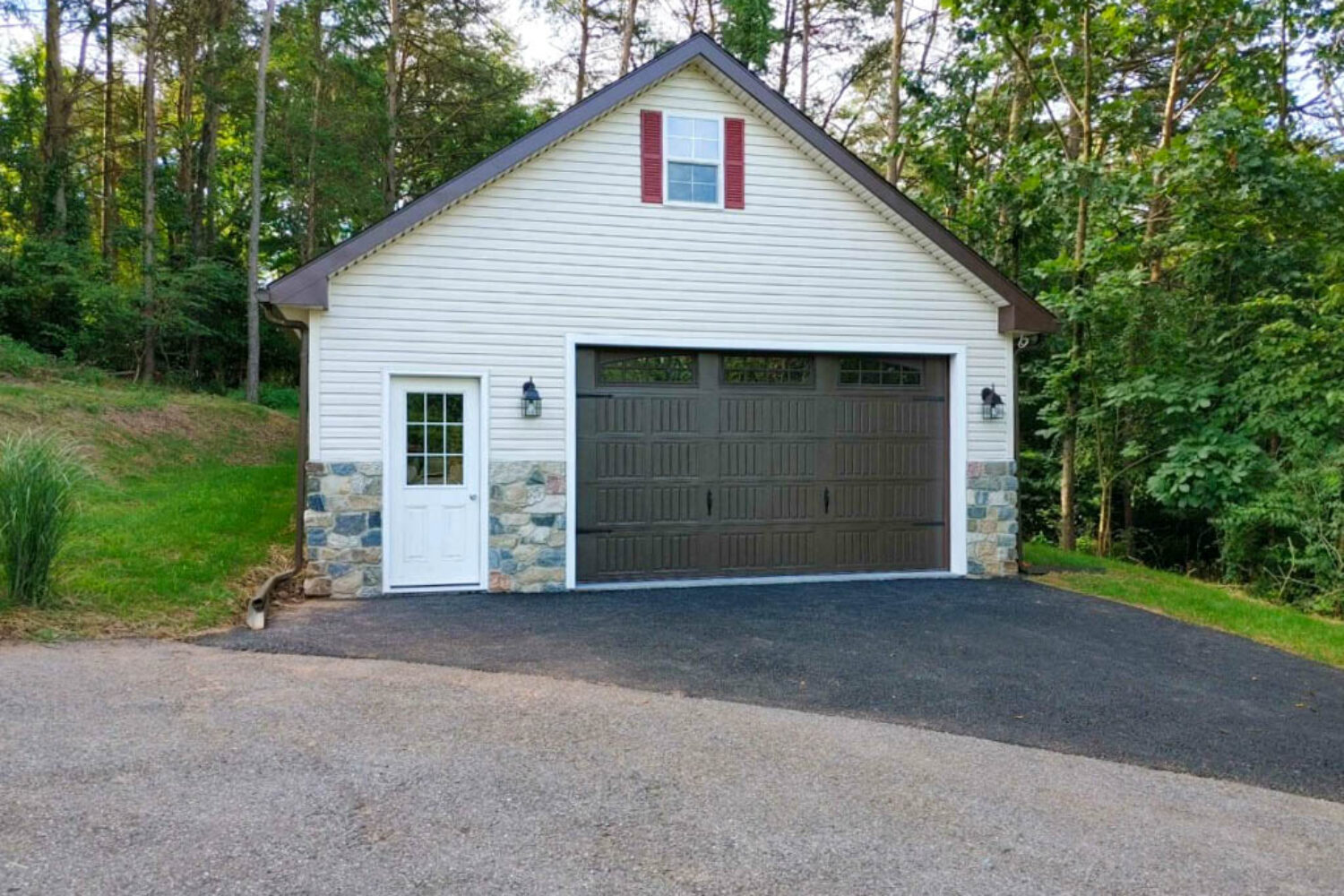
Garage footings and foundations provide the structural support needed to safely carry the weight of a garage and transfer that load to the ground. Footings are typically installed below the frost line and serve as the base of the foundation, helping prevent settling and shifting over time.
The foundation forms the main support structure of the garage and creates a stable surface for walls, floors, and roofing systems. A properly constructed foundation is essential for the long-term durability and safety of the entire building.
What affects garage foundation repair cost?
Garage foundation repair cost depends on the type and severity of the damage. Small cracks may require a relatively simple repair, while settling, sinking, bowing walls, or major structural movement may require more extensive work.
Other factors can include the size of the garage, soil conditions, drainage problems, accessibility, and the repair method used. A professional inspection is usually needed to determine the cause of the damage and the appropriate solution.
What are the most common house foundation types?
The most common house foundation types include slab-on-grade foundations, crawl space foundations, basements, pier-and-beam foundations, and raised foundations. Each option supports the structure differently and performs best under specific soil, climate, and construction conditions.
The right foundation depends on factors such as drainage, frost depth, groundwater, local building codes, and the weight of the home. A site evaluation is usually necessary before choosing the most appropriate design.
A Full-Service Foundation Company Serving PA, MD, DE, & NJ
Firm Foundations proudly serves the Mid-Atlantic region, including Pennsylvania, Maryland, Delaware, and New Jersey. As a trusted foundation contractor in these states, we’ve built a reputation for excellence, reliability, and quality.
Our commitment to providing top-notch foundation and excavation services extends throughout the region, making us the go-to choice for all your construction needs. Wherever you are in PA, MD, DE, or NJ, Firm Foundations is here to lay the groundwork for your success.