
10 2 Car Garage Ideas for PA, MD, DE & NJ Homes
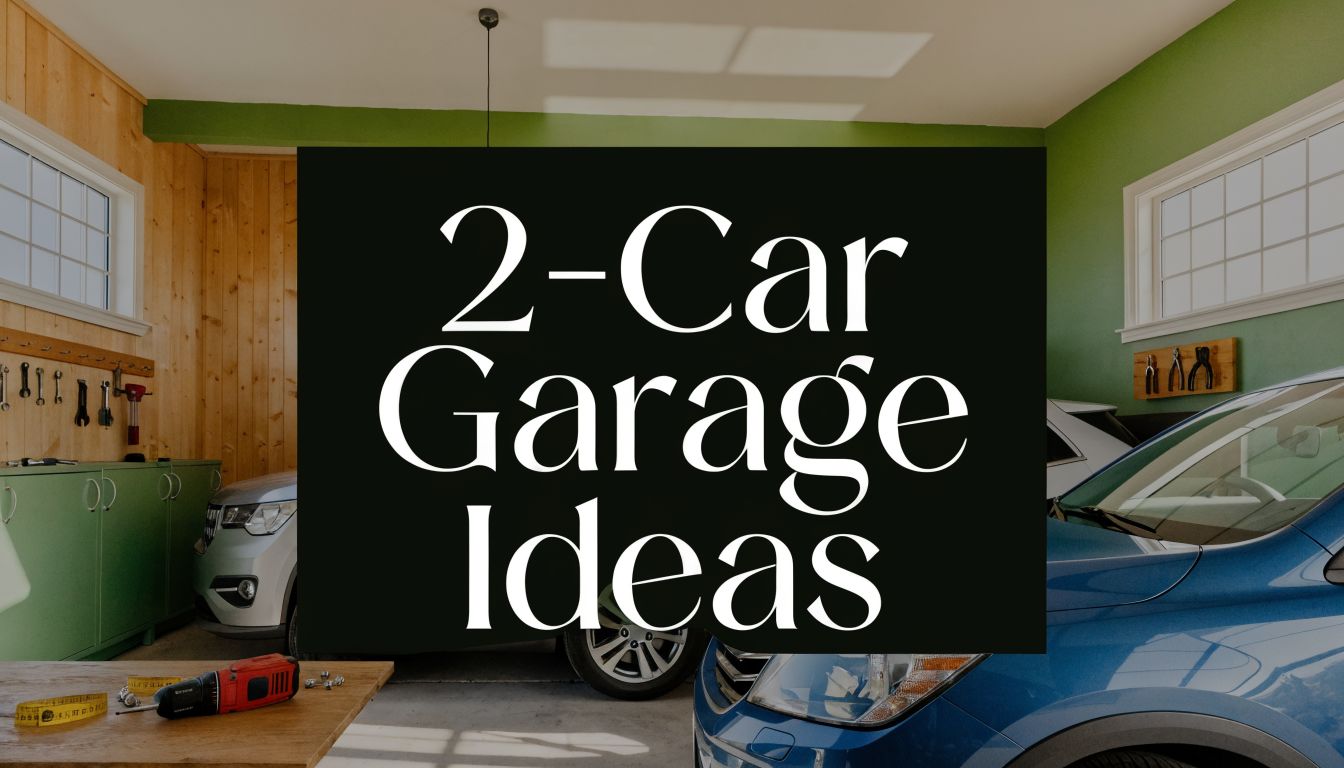
Planning Your Perfect 2-Car Garage in PA, MD, DE, or NJ?
A new two-car garage usually starts with a simple goal. You want your vehicles under cover, your tools in one place, and the clutter out of the house. Then the key questions emerge. How big should it be? Where should storage go? Will the floor crack after a few winters? Can the site support a slab?
In Pennsylvania, Maryland, Delaware, and New Jersey, the garage ideas that work best are the ones that respect the ground underneath them. Freeze-thaw cycles, wet seasons, and drainage problems can ruin a nice-looking garage from the bottom up. A poor base leads to standing water, slab movement, door issues, and ongoing repairs that never seem to end.
That’s why the smartest 2 car garage ideas start with layout, grading, and foundation design before cabinets, paint colors, or smart openers. Standard two-car garages usually fall between 20×20 feet and 24×24 feet, with many homeowners preferring more width for easier access and storage, according to these two-car garage dimension guidelines. A tight garage might technically fit two cars, but it often doesn’t work well in daily life.
Firm Foundations works with homeowners across PA, MD, DE, and NJ who need practical answers, not showroom fluff. If you’ve been searching for garage foundation contractors near me, concrete foundations, or garage footings and foundations, this guide will help you think through what lasts. These ideas focus on function, safety, and long-term value, with the foundation driving every decision.
1. Epoxy-Coated Concrete Floor with Proper Drainage Design
You pull in after a January storm, and the snow packed around your tires starts melting across the slab. If that water has nowhere to go, it sits at the door, works into surface defects, and leaves salt behind. In PA, MD, DE, and NJ, that cycle is what shortens the life of many garage floors.
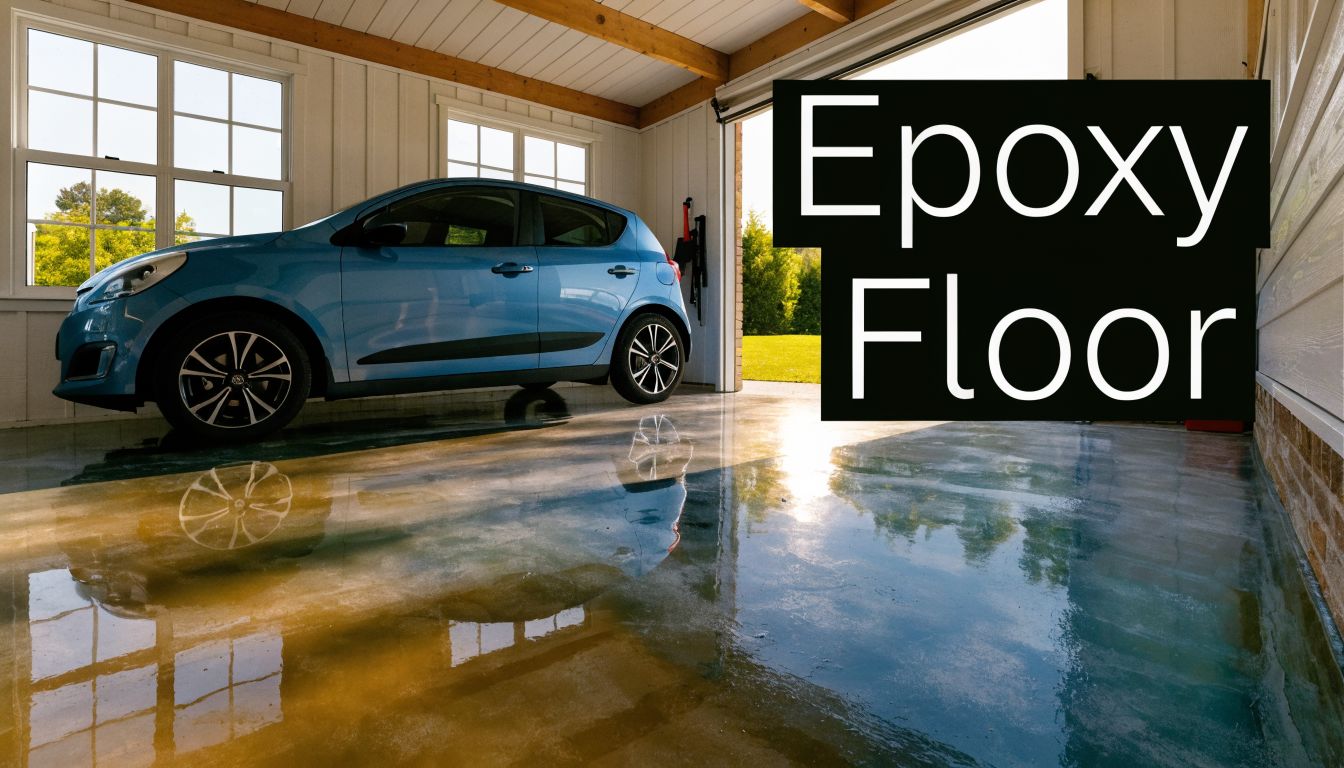
An epoxy coating helps, but only if the concrete under it was built to stay dry and stable. A two-car garage gives plenty of usable space for vehicles, storage, and light shop work, as noted earlier. The floor still has to drain properly, resist winter salt, and hold up under daily traffic.
Start with the slab, not the coating
From a foundation contractor’s side of the job, the coating is the finish layer, not the fix. The slab needs the right base prep, reinforcement, control joints, and surface pitch before anyone opens an epoxy kit. Outside the garage, grading matters just as much. If downspouts dump near the apron or the driveway slopes back toward the door, water will keep finding its way in.
If you’re still comparing slab and site prep options, this 2 car garage foundation overview lays out the basics.
Practical rule: Water management has to be solved in the concrete and grading plan first.
Epoxy earns its keep once that groundwork is done. It seals the surface, makes salt and oil cleanup easier, and reflects light well enough to improve visibility for tools, storage, and routine maintenance. In humid parts of Delaware and South Jersey, that easier cleanup can make a noticeable difference through the wetter months.
The trade-off is prep. A poorly cured slab, moisture coming up through the concrete, or an existing floor with scaling and cracks can cause peeling and adhesion failure. I’d rather tell a homeowner to wait and prep the slab correctly than coat bad concrete and have it fail in a year or two.
The garages that last in this region usually follow the same pattern. Reinforced concrete. Good drainage at the door and perimeter. Full curing time. Then the coating goes on when the slab is ready.
2. Wall-Mounted Storage System with Heavy-Duty Shelving
You pull in after work, and the garage is already half gone. Bikes are tipped against one wall, a mower is parked where the passenger door needs to open, and the shelf in the back is too deep to reach without moving three other things first. In a two-car garage, storage usually fails because the layout fails.
Wall-mounted storage fixes that by getting weight and bulk off the floor. It also protects the part of the garage that matters most day to day, clear space to park, walk, and work safely around the vehicles.
Build the storage plan around clearance, weight, and moisture
Freestanding shelving has its place, but in a standard two-car garage, wall systems usually use the space better. Slatwall, pegboard, steel brackets, and anchored shelving keep the footprint tighter and make it easier to clean around the perimeter. That matters in PA, MD, DE, and NJ, where winter salt, wet leaves, and tracked-in moisture collect along the slab edges.
The main trade-off is load and placement. Heavy-duty shelving is only as good as the framing behind it. Shelves need to be fastened into studs with hardware rated for the load, and they need enough depth to hold bins without pushing the parking lane too far inward. I’ve seen garages lose more usable room from oversized shelving than they ever gained from extra storage.
A practical setup often looks like this:
- Daily-use items at eye level: Hand tools, chargers, extension cords, and work gloves.
- Seasonal storage up high: Holiday bins, camping gear, and less-used supplies.
- Heavy items low and properly supported: Salt bags, automotive fluids, and power tools on brackets or shelves fastened into framing.
- Wet or dirty equipment near the door: Snow shovels, garden tools, and hose attachments where they can dry without dripping across the whole garage.
Regional use matters. A South Jersey homeowner may need space for beach gear and yard tools. A family in central Pennsylvania may need snow equipment, salt, and a place for muddy boots. Good storage follows your routine, not a showroom photo.
The foundation side of this matters more than people expect. If the slab stays dry, level, and free of chronic edge moisture, stored items last longer and metal shelving holds up better. If water keeps getting in at the overhead door or the wall base, cardboard fails first, then fasteners rust, then the lower part of the wall system starts looking rough.
That is why I like wall-mounted storage best in garages where drainage and slab condition have already been addressed. The storage system is the organizer. The concrete and site grading are what keep the space usable for the long haul.
3. Designated Work Zone with Concrete Apron Extension
A workbench inside the garage is useful. An exterior apron often makes the whole garage function better.
This idea works especially well for homeowners in Pennsylvania and Delaware who use their garage for more than parking. If you change mower blades, wash muddy equipment, stage materials for a project, or need room to open the hatch without blocking the whole bay, an apron gives you flexible space right outside the door.
Why an apron helps the garage feel bigger
Two vehicles alone take up most of a basic garage footprint. The dimension guidance cited earlier notes that many people prefer at least 24 feet of width because the minimum layout leaves very little room for movement and storage. That’s where an apron earns its keep. It shifts messy or temporary tasks outside without forcing you to build a much larger garage.
A good apron can support:
- Project staging: Set materials outside while keeping the interior clear.
- Vehicle access: Work around the front or rear of a car without backing into the driveway.
- Seasonal overflow: Place a snowblower, wheelbarrow, or generator nearby without clogging the bay.
In farm areas and semi-rural parts of the region, this is one of the most practical garage upgrades you can make. We’ve seen garages become more usable because the homeowner had a clean, level pad in front of the doors instead of mud, stone rutting, or a low spot that held water.
What doesn’t work is pouring an apron as an afterthought with no grading plan. If the area pitches back toward the garage, you’ve created a drainage problem right where you need the space to stay dry. Tie the apron into the overall site plan so runoff moves away from the building, not under it.
4. Climate-Controlled Mini Split HVAC System
Not every garage needs heating and cooling. If you store temperature-sensitive items, work in the space year-round, or keep a hobby vehicle inside, climate control can make the garage far more usable.
A ductless mini split system is often the cleanest option for a detached two-car garage because it doesn’t require ductwork and can handle heating and cooling in one setup.
Comfort only works if the shell is solid
The mistake here is installing equipment before dealing with insulation, air sealing, and moisture control. If the slab sweats, the door seals leak, or water gets in around the perimeter, the system ends up working harder without fixing the underlying comfort problem.
This upgrade makes the most sense when the garage is already being built or renovated with a good envelope. In practical terms, that means:
- insulated doors
- decent wall and ceiling insulation
- weatherstripping that seals
- a dry, stable slab underneath
For homeowners in Maryland and New Jersey, this can turn the garage into a true workshop instead of a space you avoid for half the year. It also helps protect finishes, tools, and anything else that doesn’t love humidity swings.
What doesn’t work is trying to condition a garage that still has drainage issues or an underbuilt foundation. If you’re seeing moisture at the slab edge or cold air blowing under the door, handle those basics first. The HVAC system should support a well-built garage, not compensate for one that wasn’t properly planned.
5. Modular Garage Cabinet System with Workbench
Pull into a two-car garage after a wet Pennsylvania winter day, open the door, and the difference shows right away. A cabinet system with a built-in workbench keeps salt-covered gear, tools, and household overflow contained instead of spread across the slab.
For attached and street-facing garages in PA, MD, DE, and NJ, that cleaner look matters. More important, closed storage protects what you keep in the garage from dust, damp air, and the day-to-day mess that builds up in a space doing double duty for parking and projects.
Fit the cabinets to the garage, not the showroom display
The best layout starts with vehicle clearance. Doors need room to swing. Walk paths need to stay open. The workbench should be useful without forcing someone to turn sideways every time they get out of the car.
A setup that works well usually includes:
- Base cabinets with full-depth drawers: Better for heavier tools, hardware, and maintenance supplies that would clutter open shelves.
- A solid work surface: Good for home repairs, battery charging, small equipment maintenance, or seasonal tasks.
- Selective open wall area: Useful above the bench for task lighting, hooks, and chargers where upper cabinets would feel bulky.
I usually tell homeowners to mark out cabinet depth on the floor before ordering anything. A package that looks sharp online can eat up more parking space than expected once it is installed.
In tighter garages, a shallower bench often performs better than a full-depth cabinet run. In wider garages, the back wall is usually the safest place for storage because it keeps the side clear for unloading kids, groceries, or sports gear.
The foundation side matters more than people expect. Loaded cabinets, stacked drawers, benchtop saws, and vises all put concentrated weight in one area. If the slab has settled, cracks are widening, or the floor pitches the wrong way, doors stop lining up and cabinets rack out of square over time. A level, dry slab gives this upgrade a longer life and makes the whole wall look finished instead of patched together.
Some homeowners also pair the bench area with equipment storage for ramps or a table scissor lift if the garage does light vehicle service. That only works if the layout leaves enough room to move safely and the slab was built for the load.
A cabinet system should support parking first, work second, and storage throughout. Get that order right, and the garage stays useful every day.
6. Rolled-Out Vehicle Lift or Ramp for Service Access
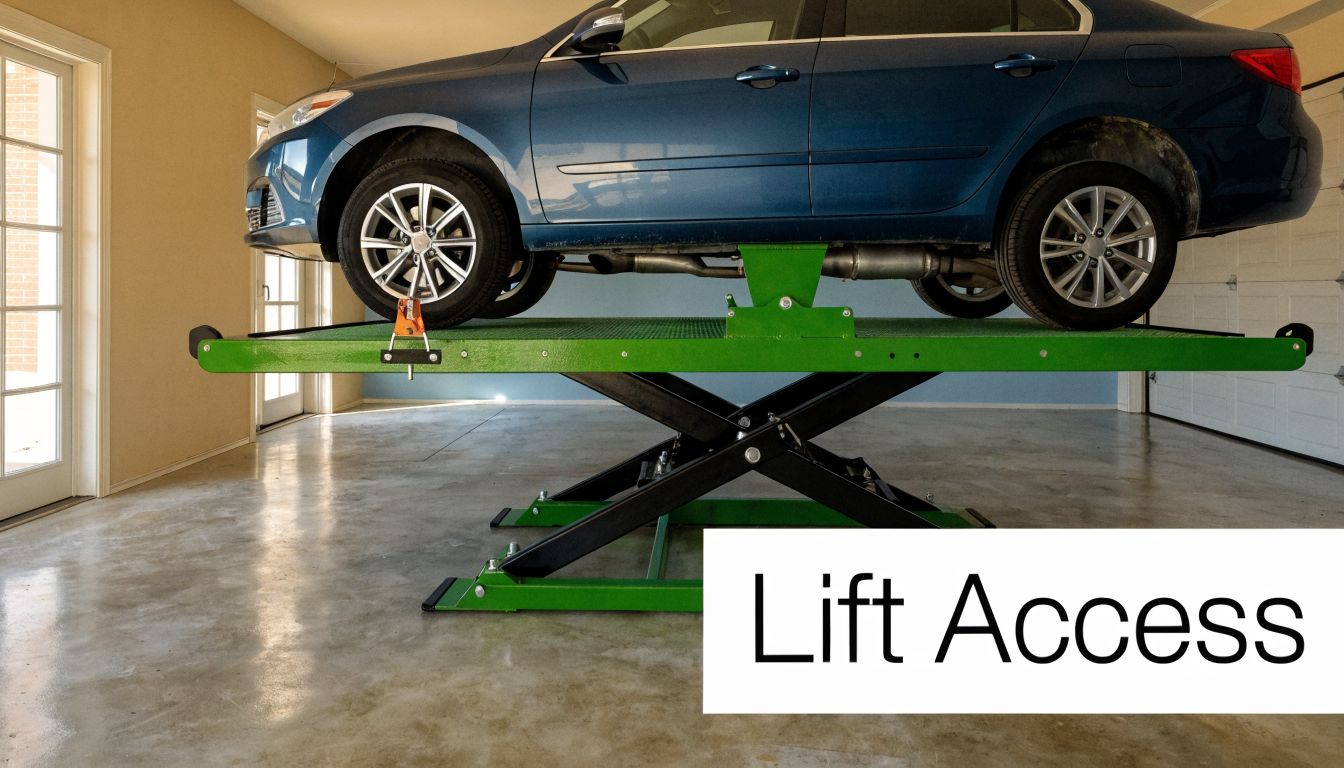
Saturday morning, the garage door is up, the car is halfway in, and there’s just enough room to roll out ramps for an oil change or brake work. That setup can work well in a two-car garage, but only if the floor is flat, the concrete is sound, and the layout leaves safe space around the vehicle.
Start with the slab, not the equipment
Homeowners often shop the lift or ramp first. I’d check the slab first. In PA, MD, DE, and NJ, garage floors take a beating from freeze-thaw cycles, road salt, and tracked-in moisture. If the slab is cracked, out of level, or soft at the surface, service equipment only puts more stress on the weak spots.
A table scissor lift may suit homeowners who want low-profile lifting without dedicating the whole garage to a fixed automotive bay. Portable ramps are usually simpler and easier to store, but they still need a clean, stable surface and enough approach room to use them safely.
The main trade-offs are straightforward:
- Portable ramps keep the garage flexible: They work well for occasional maintenance and can be moved out of the way after use.
- Lift systems ask more from the building: Floor condition, overhead clearance, door tracks, lighting, and parking layout all matter more.
- Vehicle size affects the plan: A compact car leaves more working room than a pickup, full-size SUV, or van.
Clearance matters at the walls too. Swinging a car door into cabinets, stepping around stored bikes, or working beside a water heater turns a useful service area into a tight one fast.
From a foundation contractor’s perspective, this upgrade succeeds or fails at the concrete. Hairline shrinkage cracks are one thing. Settlement, heaving, scaling, or a floor that drains back toward the house are different problems, and they should be addressed before any heavier equipment goes in. A garage that supports service work safely starts with a slab built and maintained for the load.
7. Overhead Storage Loft with Secure Racking System
When the footprint is fixed, go up. That’s the appeal of overhead racking and loft storage in a two-car garage.
This works best in garages with enough ceiling height and a framing plan that can support the load safely. It’s especially useful for lighter seasonal items that take up a lot of space but don’t need to be accessed every week.
Keep the heavy stuff down low
The main benefit here is freeing up the perimeter and floor area for actual garage use. Holiday decor, folding chairs, camping bins, and spare coolers are good candidates. Dense items like engine parts, tile, or stacks of toolboxes are not.
A lot of homeowners overestimate how much should go overhead. The better approach is selective storage:
- Use lofts for infrequent items: Seasonal bins and lightweight gear are ideal.
- Keep access safe: A stable ladder, clear walking path, and lighting matter.
- Respect the framing: Don’t load a ceiling system beyond what it was designed to carry.
This idea is especially popular in Maryland and Delaware homes where the garage doubles as household storage. It can work very well, but only when the racking system is installed with the structure in mind. Slapping overhead racks into any ceiling because there’s “empty space up there” is where problems start.
What doesn’t work is using overhead storage as a cure for poor organization. If everything gets tossed above the cars with no labels and no plan, the garage still feels crowded. Keep it light, orderly, and safe.
8. Radiant Heated Concrete Floor with Integrated Tubing
For homeowners building a garage from scratch, radiant heat is one of the best upgrades to consider early. It’s hard to add later and easy to regret skipping if you use the garage through winter.
The value isn’t just comfort. A heated slab helps manage cold-weather moisture and makes the space more workable when you’re stepping in from snow, sleet, and road salt.
This has to be designed before the pour
Radiant tubing belongs in the foundation plan, not on a wish list after the slab is finished. In the Mid-Atlantic, that matters because the garage foundation has to handle both structural load and seasonal ground conditions. The planning notes in the verified data also point to local freeze-thaw concerns across PA, MD, DE, and NJ, which is exactly why early coordination matters.
For a visual look at how embedded systems come together, this installation video is helpful:
A few practical observations make this upgrade worthwhile:
- It’s best for new construction: Retrofitting is much harder than planning it from the start.
- Low-level heat is often enough: Many homeowners want freeze protection and a comfortable floor, not living-room temperatures.
- The tubing layout must be documented: Future drilling or anchoring gets risky if no one knows where the lines are.
In Pennsylvania and northern New Jersey, heated garage slabs are especially appealing for people who work in the garage year-round or want snow and slush to dry out faster. What doesn’t work is adding radiant heat without thinking through insulation, controls, or the rest of the site drainage. Heat helps. It doesn’t replace good slab design.
9. Permeable Concrete Pad for Drainage and Environmental Benefits
Some sites fight water. If your lot holds runoff, sits low, or has stricter stormwater concerns, a permeable surface may be worth discussing.
This isn’t the right fit for every garage project, but it can be a smart option when drainage is the main design challenge and local requirements push you toward more thoughtful water management.
Good choice on the right site, poor choice on the wrong one
Permeable concrete needs proper sub-base preparation and maintenance to keep doing its job. It’s not a magic fix for every wet property, and it has to be matched to the soil and use case.
For homeowners comparing standard slabs with alternative approaches, this breakdown of concrete slab for garage cost can help frame the conversation around budget and site conditions.
The best use cases tend to look like this:
- Runoff is a recurring issue: You need the surface to help manage water, not just support vehicles.
- The site is being planned as a whole: Downspouts, grading, and surrounding hardscape all work together.
- You’re willing to maintain it: Permeable systems need periodic cleaning to stay open.
This can be a strong option in parts of Maryland, Delaware, and New Jersey where stormwater planning is a bigger concern on newer builds or tighter lots. What doesn’t work is choosing permeable concrete only because it sounds modern or environmentally friendly without confirming it fits the soil, the traffic, and the maintenance commitment.
A contractor who understands excavation, base prep, and garage foundations can tell you quickly whether this is a smart move or an unnecessary complication.
10. Modular Garage Door with Smart Automation and Insulation
A garage door changes how the whole structure performs. It affects temperature control, security, noise, and daily convenience. It also puts demands on the opening, framing, and slab alignment.
For many homeowners, this is one of the most visible upgrades. It’s also one of the easiest places to spend money on features that don’t matter if the garage itself wasn’t built square and stable.
Smart features are only as good as the structure around them
Insulated modular doors make the most sense when the garage is already moving toward a more finished or multi-use setup. That could mean a workshop, hobby area, organized storage, or future EV parking.
The verified data notes that 68% of homeowners repurpose garage space for workshops, gyms, or offices, and 25% to 35% of new Mid-Atlantic builds include EV charging infrastructure. That shift helps explain why insulated doors and smart openers have become more common. Homeowners are asking more from the garage than simple vehicle storage.
A few upgrades tend to pay off in day-to-day use:
- Insulated panels: Better for noise control and temperature stability.
- Smart openers with alerts: Helpful if the garage is the main entry point for the household.
- Battery backup and manual release access: Important during outages and emergencies.
What doesn’t work is putting a premium door on an opening that’s out of square because the slab settled or the foundation moved. Door systems need a stable base. If you’re already investing in a new garage, make sure the foundation and framing support the door you want to install.
2-Car Garage Ideas: 10-Point Comparison
| Item | Implementation complexity | Resource requirements | Expected outcomes | Ideal use cases | Key advantages |
|---|---|---|---|---|---|
| Epoxy-Coated Concrete Floor with Proper Drainage Design | High, coordinated grading, pour, drainage and coating | Reinforced slab, epoxy/polyurethane, drainage components, skilled contractors; moderate‑high cost | Durable, stain/chemical resistant surface; improved moisture management; longer slab life | Wet/freezing climates; garages needing durable, low‑maintenance floors | Longevity, easy cleaning, moisture protection, increased resale value |
| Wall-Mounted Storage System with Heavy-Duty Shelving | Low–Medium, stud locating and secure mounting | Pegboard/slatwall, heavy‑duty shelves, anchors; basic tools; low–moderate cost | Maximizes floor space; organized, accessible tools and supplies | Compact garages; DIY organization; keeping hazardous items off floor | Space efficiency, customizable layout, cost‑effective |
| Designated Work Zone with Concrete Apron Extension | Medium, excavation, grading and concrete work; possible permits | Concrete apron, base prep, contractor labor, optional canopy; moderate cost | Additional exterior workspace; better drainage and staging area | Vehicle maintenance outdoors; projects needing extra workspace | Expands usable area without interior changes; improved water management |
| Climate-Controlled Mini Split HVAC System | Medium–High, HVAC install and electrical upgrades | Mini‑split units, electrical panel upgrade, refrigerant lines, professional HVAC; high cost | Year‑round temperature control; protected tools/vehicles; comfortable workspace | Collector cars, year‑round workshops, temperature‑sensitive storage | Efficient heating/cooling, no ductwork, preserves vehicles and equipment |
| Modular Garage Cabinet System with Workbench | Medium, precise installation; may require professional help | Modular cabinets, built‑in workbench, lighting/outlets; significant cost | Professional organization and dedicated work surface; improved ergonomics | Serious DIYers, small professional shops, organized workshops | Secure storage, integrated workspace, customizable layout |
| Rolled-Out Vehicle Lift or Ramp for Service Access | High, strong foundation, safety compliance, pro install recommended | Portable ramps or lifts, reinforced concrete, safety hardware; variable cost | Elevated vehicle access for maintenance; semi‑professional service capability | Home mechanics, automotive enthusiasts, light service work | Easier undercarriage access, professional‑grade maintenance capability |
| Overhead Storage Loft with Secure Racking System | High, structural framing, engineering and permits often required | Steel or engineered lumber platform, access ladder/stairs, pro installation; high cost | Large overhead storage capacity; clear floor space retained | High‑ceiling garages; seasonal and bulk storage needs | Maximizes vertical space, preserves floor area, neat appearance |
| Radiant Heated Concrete Floor with Integrated Tubing | Very High, must be integrated at pour; HVAC/plumbing coordination | PEX tubing, boiler or heat pump, controls, certified installers; very high cost | Even floor heat, prevents ice/mold, comfortable winter workspace | Cold climates, year‑round workshops, snow/ice prevention | Efficient, quiet heating; prevents freeze‑thaw damage; preserves slab |
| Permeable Concrete Pad for Drainage and Environmental Benefits | Medium–High, specialized mix and base preparation | Permeable concrete, engineered base, experienced contractor; slightly higher cost | Reduced runoff, improved infiltration, meets stormwater requirements | Sustainable builds, regulated sites, properties with drainage issues | Stormwater reduction, groundwater recharge, possible incentives |
| Modular Garage Door with Smart Automation and Insulation | Medium, mechanical and electrical installation; header review | Insulated panels, smart opener, sensors, electrician/installer; moderate cost | Better thermal efficiency, remote control, enhanced security | Smart homes, climate‑controlled garages, energy efficiency upgrades | Improved insulation, convenience, quiet operation and security |
Lay the Right Foundation for Your Garage Project
A lot of garage articles focus on finishes first. Cabinets. Lighting. Openers. Flooring colors. Those choices matter, but they only work well when the structure underneath them is right.
That’s the takeaway from these 2 car garage ideas. The best garages in Pennsylvania, Maryland, Delaware, and New Jersey aren’t just attractive. They stay dry, stay level, and keep working through weather swings, vehicle loads, and everyday use. That starts with site prep, drainage, and the right foundation design.
A standard two-car garage can give you room for parking, storage, hobbies, and future flexibility. The challenge is making that space perform well long after construction ends. If the slab cracks from poor base prep, if runoff pushes back toward the door, or if the foundation wasn’t matched to the intended use, every upgrade after that becomes harder to enjoy. Even a simple cabinet wall or smart garage door depends on a garage that was built on solid ground.
That’s especially true in our region. Wet seasons, frost conditions, and changing soil behavior make foundation work more important, not less. Homeowners searching for garage foundation contractors near me, concrete foundations, cement foundations for garage projects, or excavation near me usually aren’t just shopping for a slab. They’re trying to avoid expensive problems later.
Firm Foundations handles the part of the project that determines whether the rest of it lasts. That includes garage footings and foundations, reinforced concrete slabs, gravel base preparation where appropriate, and excavation work that sets the garage up to drain properly from the start. The same practical thinking also applies to shed foundation work, gazebo foundation projects, and base for storage shed installations across PA, MD, DE, and NJ.
If you’re planning a detached garage, replacing an old slab, or coordinating with a builder on a new structure, it’s worth getting the foundation plan sorted out early. That gives you better answers on layout, drainage, load needs, and long-term maintenance before money gets spent in the wrong places.
A garage should make life easier. It should protect vehicles, hold up to real use, and give you space that stays functional year after year. If you’re ready to build on a base designed for local conditions, request a quote and start with the part that matters most.
If you're planning a garage, shed, driveway, or other concrete project in Pennsylvania, Maryland, Delaware, or New Jersey, contact Firm Foundations for a free quote. Their team handles excavation, gravel pads, concrete foundations, and garage slab work designed for drainage, durability, and long-term performance.