
Shed Foundation Blocks: The Secret to Long-Lasting Sheds
Table of Contents
ToggleShed Foundation Blocks: The Secret to Long-Lasting Sheds
A backyard shed is a fantastic investment for any homeowner. It provides essential storage, clears out garage clutter, and can even serve as a dedicated workspace. But before you start assembling walls or hammering a roof, you need to think about the ground beneath it. The long-term success of any outdoor structure relies entirely on what sits underneath. Without a proper base, your beautiful new building will quickly succumb to the elements, settling unevenly and rotting from the bottom up.
One of the most effective and accessible methods for securing your structure is using shed foundation blocks. These simple yet incredibly sturdy components elevate the floor, keeping it safe from ground moisture and providing a level surface. Whether you are constructing a small tool closet or a massive workshop, foundation blocks offer a reliable starting point that anyone can master with the right preparation.
At Firm Foundation, we specialize in creating unshakeable bases for all types of structures. We have seen firsthand what happens when people cut corners on the ground level. A compromised base leads to warped doors, cracked windows, and structural failure. By understanding how to properly utilize foundation blocks, you can ensure your hard work stands the test of time. This guide will walk you through everything you need to know about planning, installing, and maintaining a block foundation for your next project.
What Are Shed Foundation Blocks?
Shed foundation blocks are specialized masonry units designed to support the weight of a shed while elevating it above the soil. They act as the crucial middleman between the earth and your wooden floor frame.
Types of Foundation Blocks
There are several variations of these blocks available at most hardware stores. Solid concrete blocks are heavy, incredibly durable, and excellent for bearing heavy loads. Hollow cinder blocks are lighter and often used for smaller structures, though they must be oriented correctly (holes facing up and down) for maximum strength. Pre-cast concrete piers, also known as deck blocks, feature built-in slots on the top. These slots perfectly accommodate wooden skids or floor joists, making the framing process much easier.
Advantages of Using Blocks
Choosing blocks over a poured concrete slab or a gravel pad comes with several distinct benefits. First, they are highly cost-effective. Buying a dozen concrete blocks is significantly cheaper than ordering a cement truck. Second, they are relatively easy to install. You do not need specialized heavy machinery or specialized masonry skills to set them up. Finally, a block foundation is portable. If you ever need to move your shed to a different part of the yard, you can simply pick up the blocks and relocate them.
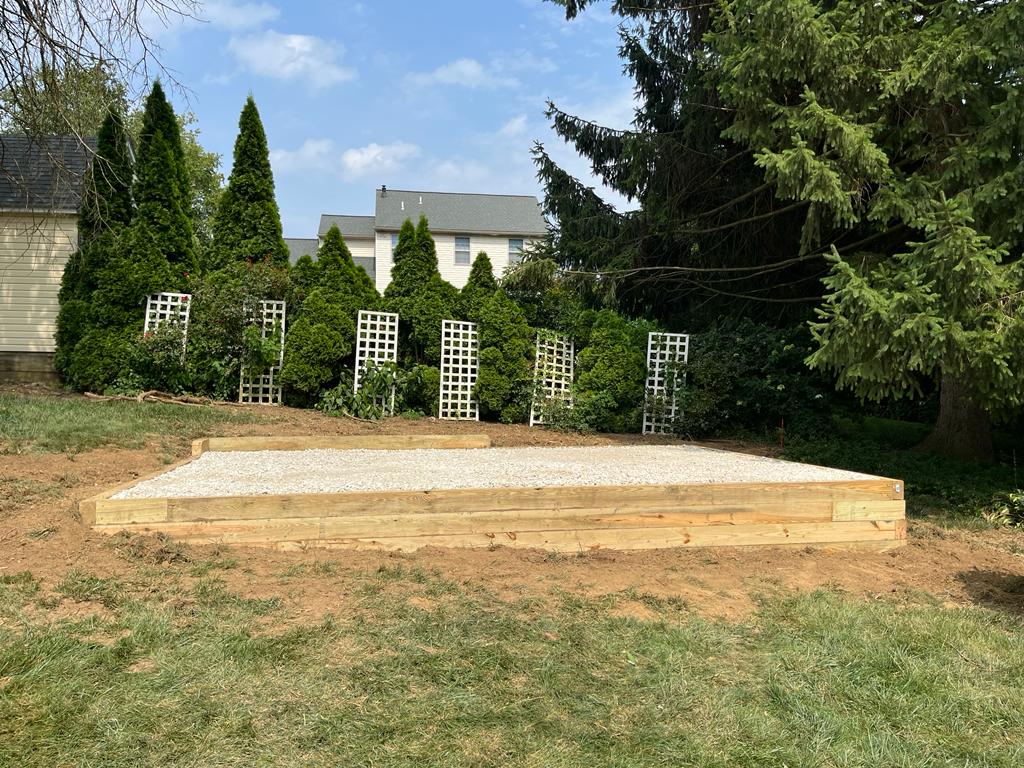
Why a Strong Foundation Matters for Your Shed
You might be tempted to just throw your shed directly onto the grass and call it a day. That is a massive mistake. A strong foundation is the only thing standing between your investment and total ruin.
Protecting Against Moisture and Rot
Wood and wet soil are a disastrous combination. If your floor joists sit directly on the ground, they will absorb moisture like a sponge. This leads to wood rot, mold growth, and eventual structural collapse. By elevating the shed on foundation blocks, you create a buffer zone of air. This airflow keeps the wood dry and drastically reduces the risk of decay.
Ensuring Stability and Preventing Shifting
The ground in your backyard is constantly moving. Freezing temperatures, heavy rain, and natural soil settling cause the earth to heave and shift. A solid block base distributes the weight of the shed evenly across multiple points. This prevents one corner from sinking deeper than the rest, keeping your entire structure level.
Extending the Lifespan of Your Shed
When your building stays dry and level, it simply lasts longer. Doors will continue to open and close smoothly without binding. Windows will not crack from uneven pressure on the frame. The roof will shed water correctly instead of pooling in sagging areas.
Importance for Long-Term Storage
You are likely putting valuable items inside this building. Lawn mowers, power tools, and seasonal decorations need a safe, dry environment. A sinking, rotting shed will quickly allow water and pests to infiltrate, destroying the very items you meant to protect.
Planning Your Shed Foundation Block Project
Proper planning is the secret to a smooth installation. Rushing into the physical work without a solid plan usually results in costly rework.
Site Preparation and Drainage
Start by selecting the best location in your yard. Look for a relatively flat area that does not collect standing water after a rainstorm. You need to clear away all grass, weeds, and topsoil from the footprint of the shed. Topsoil is too soft to support weight and holds organic matter that attracts bugs. Good drainage is critical, so ensure the ground slightly slopes away from the site to carry rainwater away.
Calculating the Number of Blocks Needed
The number of blocks you need depends on the size of your shed and the load-bearing requirements. As a general rule, blocks should be spaced no more than six to eight feet apart along the floor skids. For a standard 8×10 shed, you might need six to nine blocks. For a larger 10×12 shed, you could need up to twelve. Always check your shed manufacturer’s recommendations for precise spacing.
Choosing the Right Type of Blocks
Your soil type heavily influences this decision. If you live in an area with soft, sandy soil, you might need wider, solid blocks to prevent sinking. If your ground is hard clay, pre-cast deck blocks might be perfectly sufficient. Remember to account for the total weight of the structure plus the items you plan to store inside.
Tools and Materials Required
Gather everything before you start. You will need a long level (at least four feet), a tape measure, wooden stakes, string line, a shovel, a hand tamper, and safety gear. You should also purchase crushed stone or gravel to act as a leveling base beneath each block.
Step-by-Step Installation Guide for Shed Foundation Blocks
Once your site is prepped and your materials are ready, it is time to start building. Follow these steps carefully to ensure a perfectly level base.
Layout and Marking the Perimeter
Drive wooden stakes into the ground to mark the four corners of your shed. Run string lines between the stakes to outline the exact perimeter. Measure diagonally from corner to corner; if the two diagonal measurements are identical, your layout is perfectly square.
Placing the Corner Blocks
Start with the highest point of your yard’s natural slope. Dig a shallow hole at this corner and fill it with a few inches of crushed stone. Tamp the stone down until it is firm and flat. Place your first corner block on the stone. Use your level to ensure it sits perfectly flat. Move to the next corner, prep the ground with gravel, and place the second block. Use a long, straight piece of lumber with your level placed on top to ensure the second block is perfectly level with the first.
Installing Intermediate Blocks
Once the four corners are set and level with each other, you can place the intermediate blocks along the perimeter and down the center support lines. Use the string lines and your straight lumber to keep everything aligned. Every single block must sit at the exact same height.
Ensuring Level and Square Placement
Take your time during this step. Check and double-check your measurements. If a block is too high, remove some gravel pads beneath it. If it is too low, add more gravel and tamp it down. A foundation that is off by even half an inch can cause major headaches during the wall framing process.
Adding Gravel for Drainage
If you excavated a large, shallow pit for the entire shed footprint, fill the spaces between the blocks with crushed stone. This suppresses weed growth and facilitates excellent water drainage under the floor.
Common Mistakes to Avoid
Even seasoned DIYers can make errors when working with foundations. Watch out for these frequent pitfalls.
Skipping Site Preparation
Placing blocks directly onto soft grass is a recipe for disaster. The grass will die, the soil will compress, and the shed will sink unevenly. Always remove the organic top layer and reach the firm subsoil below.
Not Leveling Properly
Assuming the ground is “flat enough” is a terrible idea. Your eye cannot accurately judge a perfectly level plane over ten feet of distance. Always use a high-quality spirit level and a straight edge.
Using Inadequate Blocks
Do not try to save a few dollars by buying small, flimsy pavers intended for garden walkways. They will crack under the weight of a fully loaded shed. Buy heavy-duty masonry blocks designed specifically for structural support.
Overlooking Drainage
If water pools around your blocks every time it rains, the soil will eventually wash away. Ensure you have graded the earth to direct water away from the structure, or install a French drain if you have severe yard water issues.
When to Consider Professional Help from Firm Foundation
While installing foundation blocks is a highly accessible DIY project, it is not the right choice for every situation. Sometimes, calling in the experts is the smartest move you can make.
Complex Terrain or Large Projects
If your backyard has a severe slope, highly unstable soil, or rocky outcroppings, a simple block foundation might not work. Very large sheds, two-story barns, or workshops housing heavy machinery also require specialized structural engineering.
Compliance with Local Building Codes
Many municipalities have strict regulations regarding permanent and semi-permanent structures. If your shed exceeds a certain square footage, local building codes might legally require a poured concrete slab or deep concrete footings. Professionals know how to navigate the permitting process and ensure total compliance with local laws.
The Value of Expert Installation
At Firm Foundation, we take the guesswork out of the building process. We assess your soil, calculate precise load requirements, and guarantee a perfectly level, unyielding base. Hiring experts ensures that your project starts right, saving you from immense stress and structural failures down the road.
Securing Your Shed’s Future
Shed foundation are an incredibly versatile, cost-effective, and durable way to support your backyard structures. By lifting the wood away from wet soil and providing a level, sturdy base, these blocks ensure your shed will remain functional and attractive for years to come.
Taking the time to properly prepare the site, choose the right materials, and carefully level every single block will pay massive dividends over the life of your building. Never underestimate the importance of what lies beneath the floorboards.
If you are planning a massive storage building, dealing with a highly sloped yard, or simply want the peace of mind that comes with professional construction, reach out to Firm Foundation today. We can help you evaluate your site and lay down the perfect base for your next project. Build it right the first time, and you will never have to worry about it again.
Firm Foundations LLC
https://maps.app.goo.gl/Uf6XdgtpBTETgNrr7
1535 White School Rd, Honey Brook, PA 19344, United States
(717) 716-7267
https://shedpads.com/