
Shed Foundations Near Me in PA: 10 Actionable Ideas for Your Project
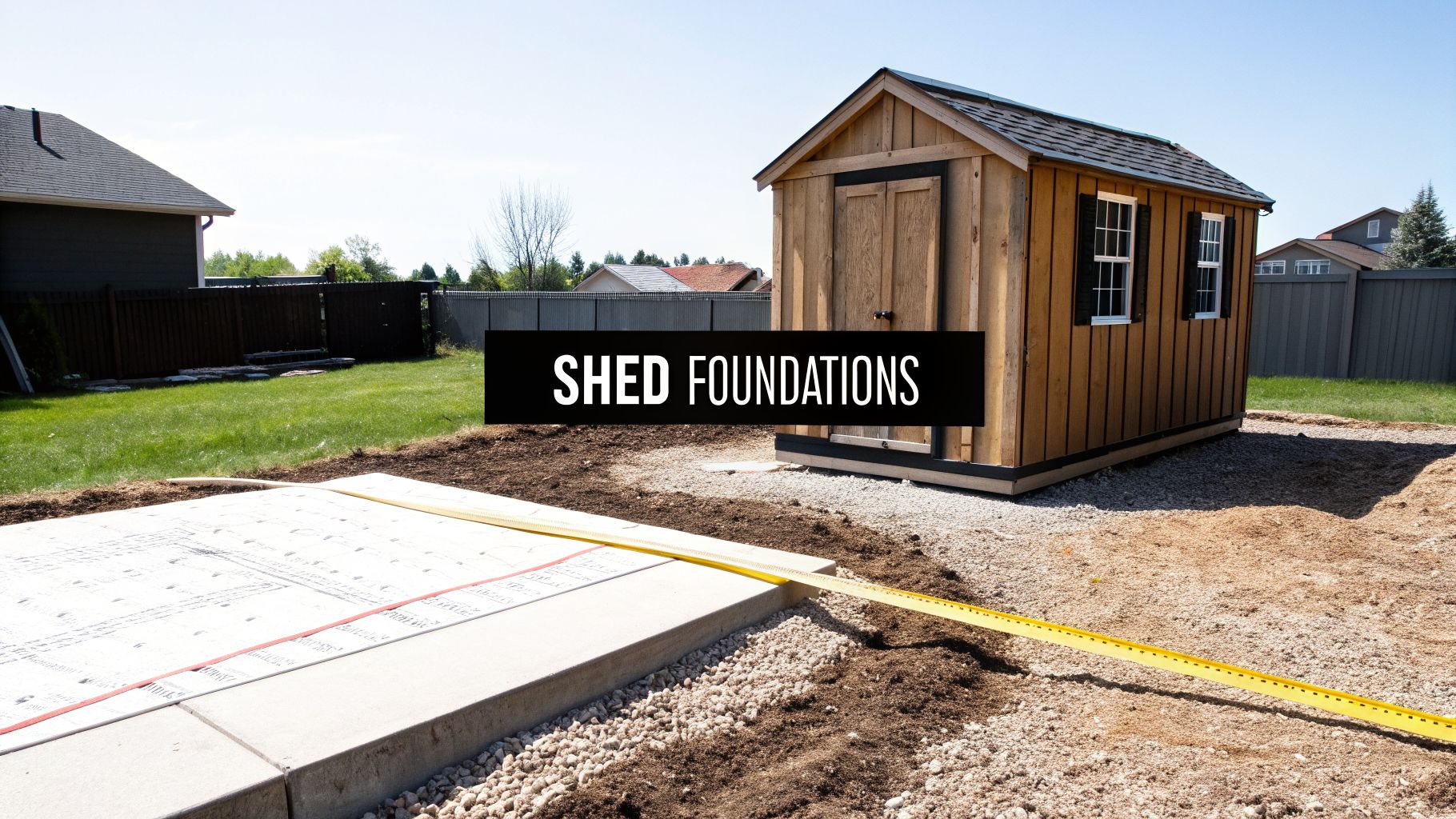
Thinking about adding a small shed to your property in Pennsylvania, Maryland, Delaware, or New Jersey? You're not just adding storage; you're creating new possibilities for your home, from a tidy garden hub to a quiet home office. But before you pick out the perfect design, a crucial first step guarantees your investment lasts for decades: the foundation. A poorly prepared base for your storage shed can lead to frustrating problems like settling, water damage, and a shortened lifespan for your new structure.
As your trusted shed foundations contractors near you, Firm Foundations is here to guide homeowners throughout the region. We understand the common challenges homeowners face and the unique soil conditions in areas from Honey Brook, PA, to the coasts of Delaware and New Jersey. This guide provides 10 practical ideas for small sheds, each paired with expert advice on choosing the right shed foundation.
Whether you need a durable gravel shed foundation for a prefab workshop or reinforced concrete footings and foundations for a home studio, we have the solutions. This list will help you turn your vision into a reality, ensuring your project is built correctly from the ground up by a local construction company you can trust.
1. Garden Storage Shed with a Concrete Foundation
Among the many practical ideas for small sheds, a dedicated garden storage shed is perhaps the most essential for homeowners with a green thumb. This structure provides a secure, organized space for everything from lawnmowers and wheelbarrows to delicate seeds and fertilizers. Placing your shed on a professionally installed concrete pad foundation is the best way to guarantee its stability and longevity, protecting your valuable equipment from moisture, pests, and shifting ground. A solid concrete base prevents the structural warping that can compromise doors and windows over time.

In areas like Pennsylvania and Maryland, where freeze-thaw cycles can be harsh, a properly engineered cement foundation for a garage or shed is not a luxury but a necessity. Leading builders, such as Stoltzfus Structures and Sheds Unlimited, frequently pair their high-quality prefab sheds with concrete foundations installed by specialists like Firm Foundations. This combination ensures a seamless installation and a durable result that stands up to regional weather.
What to Expect for Your Concrete Foundation
To maximize the performance of your shed base, our professional process ensures:
- Proper Drainage: The concrete pad will have a slight slope, about 1/4 inch per foot, to direct rainwater away from your shed's base.
- A Secure Perimeter: We can install a stone or gravel border around the pad to prevent water from pooling and undermining the foundation.
- Code Compliance: Before any excavation, we'll guide you on checking with your township (such as Honey Brook Township) and HOA for setback requirements and permits.
Our Promise: For best results, your shed should be installed on its new concrete pad within the first year of its construction. This helps ensure a perfect fit and long-term structural integrity. You can find more details on our process by reviewing our guide to site preparation for a concrete slab.
2. Hot Tub or Spa Shelter Shed
Transforming your backyard with a spa requires more than just the hot tub itself; one of the most practical ideas for small sheds is creating a dedicated shelter for it. A hot tub or spa shelter shed protects your investment from the elements, offers privacy, and houses the necessary electrical and filtration equipment securely. The key to a successful installation is a reinforced concrete foundation, specifically engineered to support the immense weight of a filled hot tub, which can easily exceed 10,000 pounds. This robust base prevents shifting and cracking, ensuring both the shelter and the spa remain level and functional for years.
In areas like New Jersey and Pennsylvania, where weather extremes can impact outdoor structures, a proper base is essential. As foundation specialists, Firm Foundations works directly with you and your hot tub dealer to pour a single, unified reinforced concrete pad that serves both the shelter and the spa. This integrated approach simplifies project coordination and guarantees the structural integrity needed for such a heavy, moisture-rich environment. This setup creates a beautiful and durable backyard oasis.
Key Considerations for Your Hot Tub Shelter Foundation
To ensure your spa is safe and your shelter is stable, our team will:
- Use Reinforced Concrete: We install a 6 to 8-inch thick concrete pad reinforced with rebar, which is necessary to handle the weight and prevent costly structural failures.
- Plan for Utilities: Before pouring the concrete, we coordinate with an electrician to run conduit for a GFCI-protected outlet.
- Manage Moisture: We incorporate a 1/4 inch per foot slope for drainage and can install a perimeter French drain to direct water away from the foundation.
Our Promise: We always consult your hot tub dealer for the manufacturer's specific pad size and thickness requirements before any site excavation begins. A well-planned foundation, poured in coordination with all parties, is the most important step for a long-lasting and safe hot tub installation.
3. Shipping Container Conversion Base and Shelter
Among the more distinctive ideas for small sheds, converting a shipping container offers a rugged and modern solution for storage, workshops, or even tiny offices. These robust steel structures require a specialized foundation to support their immense weight and prevent long-term structural issues. A purpose-built concrete pad provides the necessary level, stable base, ensuring the container remains secure and its doors function correctly without warping from uneven ground settlement.
In states like Pennsylvania and New Jersey, where commercial and agricultural use of containers is common, a proper foundation is critical. As expert installers, Firm Foundations has experience engineering pads specifically for the unique load requirements of shipping containers. For those considering an innovative approach to storage, learning how to turn shipping containers into smart storage spaces provides valuable insights into their potential. A solid concrete base is the first step in any successful conversion project.
What to Expect for Your Shipping Container Foundation
To ensure a safe and durable installation for your container, we provide:
- Engineered Design: Before excavation, we work with you to design a reinforced pad, typically 6-8 inches thick, to handle the container's concentrated weight.
- A Perfectly Level Surface: Containers are not flexible. The concrete pad must be perfectly level to prevent twisting of the steel frame, which can make doors difficult to operate.
- Proper Drainage: A gravel drainage system around the pad is essential to prevent water from pooling at the base and compromising the foundation over time.
Our Promise: When planning your site, we help you consider future needs. Placing the pad in an accessible location is important if you ever plan to relocate the container. Requesting a free quote early in the process helps identify and resolve potential site challenges before any work begins.
4. Prefab Garage or Workshop Shed on a Gravel Pad
For homeowners and small businesses in Pennsylvania and Maryland seeking a more budget-conscious foundation, a compacted gravel pad is a popular and effective choice for prefab garages and workshop sheds. As a cost-effective alternative to concrete, this approach provides a stable, well-draining base that protects your structure's floor from ground moisture. This solution is ideal for many ideas for small sheds, particularly when the primary use is for general storage, a workshop, or a barn shed in rural areas of MD and DE.
While less permanent than concrete, a properly installed shed foundation gravel base is a durable foundation. As expert gravel shed foundation contractors near you, Firm Foundations offers professional pad installation, ensuring the site is graded correctly and the stone is properly compacted. This preparation is key to preventing water pooling and providing a level, long-lasting base for structures from manufacturers like Sheds Unlimited, especially for temporary or semi-permanent buildings.
What to Expect for Your Gravel Foundation
To get the most out of your gravel shed pad, our process includes these essential steps:
- Weed Barrier Installation: We place high-quality landscape fabric beneath the gravel to stop weeds and grass from growing through the stone.
- Compacted Crushed Stone: We use a depth of 4 to 6 inches of compacted crushed stone for adequate support and drainage.
- Perimeter Containment: We create a sturdy perimeter, often with pressure-treated lumber, to hold the gravel securely in place and maintain the pad's shape.
- Guidance on Maintenance: We advise you on annual maintenance, such as raking the gravel and adding more stone as needed to keep the surface perfectly level.
Our Promise: For optimal stability, your prefab shed should be placed on its new gravel pad within the first month of completion. If your workshop will house extremely heavy equipment or vehicles, a concrete foundation may be a better long-term investment. You can explore the differences further by reviewing our guide on gravel vs. concrete shed foundations.
5. Horse Barn and Agricultural Equipment Storage Shelter
For farmers, horse breeders, and agricultural businesses, a specialized shed is more than just storage; it’s an essential operational hub. These structures are built to shelter livestock, protect heavy machinery, and withstand constant use. Among the most durable ideas for small sheds, an agricultural shelter requires a robust foundation, like an engineered concrete pad or a reinforced gravel base, to support the substantial weight and endure weather exposure. In regions like Pennsylvania and Delaware, these purpose-built shelters are vital for protecting valuable assets.
Throughout Pennsylvania’s farm country, from Chester County equestrian facilities to rural equipment shelters in Maryland, the foundation is the key to a lasting structure. Because these buildings handle everything from tractor traffic to animal moisture, a standard pad is insufficient. As concrete contractors, Firm Foundations specializes in agricultural pad installations and foundation builds, engineering concrete foundations that are designed for the specific demands of farm life, ensuring the structure remains stable and functional for decades.
Key Considerations for Your Agricultural Foundation
Our team follows professional recommendations to ensure your agricultural shelter is built on a solid base:
- Support for Heavy Loads: We use a 6- to 8-inch reinforced concrete pad in areas with heavy tractor traffic to prevent cracking and structural failure.
- Moisture Management: We can incorporate a floor slope of up to 1/2 inch per foot to direct livestock moisture and water runoff, and we ensure the site has excellent drainage.
- Coordination on Airflow: Proper ventilation is critical in livestock barns to prevent mold and protect animal respiratory health. We coordinate with you and animal health specialists on airflow needs.
Our Promise: When planning your agricultural facility, our foundation experts work with you to assess equipment weight and traffic patterns. This initial planning helps determine the precise pad thickness and reinforcement needed, and it's also the perfect time to plan for future expansion.
6. Detached Office or Studio Shed
The rise of remote work has made a detached office or studio one of the most popular ideas for small sheds. This dedicated structure provides a quiet, professional workspace separate from the main home, perfect for a home office, art studio, or creative retreat. For year-round comfort and productivity in climates like those in Pennsylvania and Maryland, a finished shed requires a solid foundation, proper insulation, and electrical service. A professionally installed concrete pad is essential to support the finished interior and prevent structural issues over time.

These versatile structures are common throughout suburban Delaware and New Jersey, serving as offices for tech workers, therapists, and other professionals. To ensure a clean and safe setup, the concrete foundation work should be coordinated with your electrician. By planning ahead, electrical conduit can be run during the concrete pour, protecting wiring and simplifying the final hookup. This integrated approach creates a more durable and professional result.
What to Expect for Your Office Shed
We follow these professional tips to create a functional and lasting backyard office for you:
- A Quality Foundation: We install a 4 to 6-inch thick concrete pad, properly graded for drainage, to provide the stable base needed for finished flooring and walls.
- Utility Coordination: Before any excavation, we consult with you, utility providers, and an electrician to plan for power and internet service.
- Guidance on Zoning: We advise you to verify local ordinances and HOA rules regarding home-based businesses and accessory dwelling units (ADUs) before construction begins.
Our Promise: For a truly professional installation, we can run your electrical conduit through the concrete pad before the pour. This protects the wiring from damage and creates a cleaner, more integrated finish inside your new office. Our team coordinates with your contractors to ensure the foundation work meets all specifications for your project.
7. Greenhouse and Garden Shelter Shed
Combining growing space with storage, a greenhouse and garden shelter is one of the most functional ideas for small sheds. This specialized structure gives avid gardeners in areas like Delaware and Maryland a dedicated, light-filled environment for starting seeds, protecting tender plants, and extending the growing season. Because these shelters manage high humidity and frequent watering, placing one on a properly prepared concrete or gravel foundation is critical for drainage and long-term stability.

From suburban backyards in Pennsylvania to community gardens, these structures are becoming increasingly popular. The foundation must handle constant moisture, which is why a professionally installed base is so important. A well-designed concrete pad provides a clean, level, and durable floor that can withstand water, soil, and foot traffic while preventing the shed frame from sinking or warping. A gravel base is another excellent option for a gazebo foundation with superior drainage.
Key Considerations for Your Greenhouse Foundation
To create a successful growing environment, we pay close attention to the base:
- Drainage is Priority: A 4 to 6-inch concrete pad with a 1/4-inch slope per foot is essential to direct water away from the structure. We can also install a perimeter French drain or gravel bed to further prevent moisture issues.
- Utility Planning: Before pouring the concrete, we help you plan for water access and any necessary irrigation lines to make plant care easier.
- Durable Material Choice: For the structure itself, consider polycarbonate panels over glass for better insulation, durability, and safety in residential settings.
Our Promise: We help ensure your new greenhouse has excellent ventilation to prevent fungal diseases and manage high summer temperatures. You can also design the foundation to include a raised concrete section that serves as a built-in, workbench-height potting station.
8. Recreational Vehicle (RV) or Boat Storage Shed
For enthusiasts in Pennsylvania and New Jersey, a dedicated RV or boat storage shed is one of the most valuable ideas for small sheds, although these structures often push the upper limits of "small." These large, sturdy buildings are specifically designed to protect high-value recreational vehicles, boats, and trailers from harsh weather, sun damage, and potential theft. Because they must support substantial weight, these sheds demand a heavily engineered concrete foundation to prevent settlement and ensure long-term stability.
In coastal areas like Delaware and Maryland, boat owners find these structures indispensable for seasonal storage. A proper garage foundation is critical. A base that cracks or shifts can damage the shed and, consequently, the valuable asset inside. If you're considering an RV storage shed, you might also need specialized transportation. For example, consider RV 5th Wheel Transport services to safely move your vehicle to its new storage location.
What to Expect for Your Vehicle Storage Foundation
To ensure your foundation is up to the task of supporting an RV or boat, our professional service includes:
- Load-Specific Design: We always request the vehicle's weight before excavation to engineer the foundation. A 6 to 8-inch reinforced concrete pad is often required.
- Access Planning: We help you consider future maneuvering space when laying out the pad, ensuring there is enough room to back in and pull out without difficulty.
- Perimeter Drainage: We can install a robust drainage system around the pad, which is crucial for managing water runoff and preventing foundation undermining.
- Zoning Verification: We guide you to check with your township and HOA for setback, height, and permit requirements before any construction begins.
Our Promise: When planning a vehicle storage shed, we help you think about future needs. Running electrical service to the pad during construction is a cost-effective way to add lighting, battery chargers, or maintenance tools later.
9. Utility and Equipment Storage Shed with Compacted Gravel
A utility shed on a compacted gravel foundation is one of the most economical and practical ideas for small sheds, especially for homeowners in Delaware and New Jersey seeking straightforward equipment storage. This approach provides a stable, well-draining base for tools, lawnmowers, and general household items without the cost and permanence of concrete. For many residential properties, a professionally installed gravel pad from a contractor near you is the ideal solution, offering excellent performance and value for a 4×8 shed with foundation or a 10×10 storage shed.
The key to a durable shed foundation gravel base is proper site preparation and quality materials. As experienced contractors, Firm Foundations specializes in creating these bases, often for shed dealers such as Sheds Unlimited, ensuring the foundation is level, compacted, and ready for delivery. This complete installation package is a popular choice for homeowners in areas like Honey Brook Township, PA, who need a reliable but budget-conscious foundation for their new structure.
What to Expect for Your Gravel Foundation
To get the most from your gravel shed base, our professional process includes:
- Landscape Fabric Use: We always install a high-quality landscape fabric beneath the gravel to prevent weed growth and keep the stone separate from the soil.
- Proper Depth: We ensure a depth of 4 to 6 inches of compacted crushed stone to provide adequate support and drainage for most standard utility sheds.
- Perimeter Containment: We install a treated timber or durable plastic border to hold the gravel securely in place and maintain the pad's shape over time.
Our Promise: For the best long-term stability, the shed should be placed on its new gravel pad within the first month of installation. This allows the structure to settle properly. You can learn more by checking our guide on the benefits of a gravel shed foundation.
10. Concrete Patio and Shed Foundation Combination
One of the more creative ideas for small sheds involves integrating your storage structure with an outdoor living area. A concrete patio and shed foundation combination achieves this by pouring a single, unified slab that serves as the base for both your shed and an adjacent entertainment space. This smart design creates a seamless, multi-functional backyard environment while also delivering cost savings by reducing separate excavation and concrete pouring efforts. The finished product is a cohesive, durable space perfect for modern living.
This approach is gaining popularity among homeowners in Pennsylvania and Maryland who want to maximize their yard's functionality. Landscape architects often recommend this method for creating integrated outdoor living spaces, and shed builders like Stoltzfus Structures can easily place their buildings on these custom pads. Working with a concrete specialist like Firm Foundations early in the design phase ensures the entire project, from patio to shed base, is engineered correctly.
Key Considerations for Your Patio and Shed Combination
To ensure your integrated space is both beautiful and functional, our team will:
- Plan for Utilities: We help determine electrical and water line needs for both the shed and patio area before any excavation begins.
- Ensure Proper Slope: The entire slab, especially the patio portion, must slope away from the shed base (1/4 inch per foot) to prevent water intrusion.
- Coordinate Placement: We help you carefully position the shed to preserve desirable yard views and avoid obstructing walkways or existing utilities.
- Choose a Finish: We work with you to decide on the patio’s surface finish—such as stamped, colored, or traditional broom swept—during the initial design phase.
Our Promise: Before committing to a layout, sketch your desired patio and shed placement. This visual guide is invaluable when you request a free quote, as it allows contractors to provide a more accurate estimate covering both the patio and the shed foundation costs.
Top 10 Small Shed Ideas: Side-by-Side Comparison
| Item | Implementation complexity | Resource requirements | Expected outcomes | Ideal use cases | Key advantages |
|---|---|---|---|---|---|
| Garden Storage Shed with Concrete Foundation | Moderate — 4–6" pad, grading, possible permits | Moderate — standard concrete pad, ventilation, shelving | Durable, weatherproof storage; organized yard; increased property value | Homeowner tool storage, small backyard sheds | Affordable, low-maintenance, long-lasting when installed correctly |
| Hot Tub or Spa Shelter Shed | High — reinforced pad, plumbing/electrical, ventilation, permits | High — 6–8" reinforced concrete, utilities, drainage systems | Stable support for heavy spa; protected equipment; year‑round use | Hot tub shelters, privacy enclosures, spa installations | Extends spa life, safety, privacy, all‑season usability |
| Shipping Container Conversion Base and Shelter | High — engineered, very level pad; structural support | High — thickened/reinforced pad for heavy point loads, utilities, engineer | Stable base for container conversions; modular, multi‑use space | Container workshops, storage, offices, commercial uses | Durable support, modular expansion, adaptable to many functions |
| Prefab Garage or Workshop Shed on Gravel Pad | Low–Moderate — grading and compaction, perimeter edging | Low — 4–6" compacted crushed stone, landscape fabric, edging | Quick usable workspace with good drainage; shorter lifespan than concrete | Budget workshops, light equipment, temporary or rural use | Low cost, fast install, flexible and easily modified |
| Horse Barn and Agricultural Equipment Storage Shelter | Very high — engineered foundations, large site work | Very high — reinforced concrete or engineered gravel, ventilation, heavy‑duty drainage | Durable facility supporting livestock and heavy machinery | Farms, equestrian facilities, heavy equipment storage | Heavy‑duty support, longevity, designed for animal and machinery needs |
| Detached Office or Studio Shed | High — precise level slab, insulation, utilities, permits | High — quality concrete pad, electrical, HVAC, insulation, finished interior | Year‑round comfortable workspace; increased home value; professional use | Home office, art studio, detached professional workspace | Comfortable, productive space; resale and tax advantages |
| Greenhouse and Garden Shelter Shed | Moderate–High — moisture control, drainage, ventilation | Moderate — concrete/gravel base, glazing/polycarbonate, irrigation, vents | Controlled growing environment; extended season; higher yields | Seed starting, year‑round gardening, small‑scale agriculture | Better plant protection, increased production, multipurpose workspace |
| RV or Boat Storage Shed | Very high — large reinforced slab, engineering, wide access | Very high — 6–8" reinforced concrete, large excavation, grading | Secure, weather‑protected vehicle storage with minimal settlement | RVs, boats, trailers, large recreational vehicles | Protects high‑value vehicles, reduces maintenance, secure storage |
| Utility and Equipment Storage Shed with Compacted Gravel | Low — simple grading and compaction, easy placement | Low — 4–6" compacted gravel, fabric, minimal labor | Economical storage solution; quick placement; requires upkeep | Lawn equipment, seasonal storage, budget residential use | Most affordable, quick to install, good drainage, flexible |
| Concrete Patio and Shed Foundation Combination | High — integrated design, large continuous pour, careful planning | High — continuous reinforced slab, decorative finishes, coordinated utilities | Seamless outdoor living + storage; cost efficiency vs separate pours | Integrated patio with adjacent shed, entertainment spaces | Cost and labor savings, unified drainage, cohesive aesthetic |
Ready to Build on a Firm Foundation? Contact Us Today!
From a simple 10×10 storage shed to a multi-purpose workshop, the right structure can truly expand the potential of your property. We've explored a wide range of ideas for small sheds, moving beyond basic storage to see them as potential offices, garden hubs, and even personal spas. Each unique application, whether it's a prefab garage on a gravel pad or a greenhouse on a custom concrete base, has one critical element in common: the need for a solid, reliable shed foundation. Without proper site preparation and a professionally installed base, even the best-built shed is at risk of shifting, water damage, and premature decay.
The key takeaway from these diverse examples is that the foundation is not an afterthought; it's the very first step in a successful project. A properly installed gravel shed foundation provides excellent drainage and a stable footing, while a reinforced concrete foundation offers the permanence and strength required for heavier structures like garages, workshops, or even a converted shipping container. Understanding the specific needs of your chosen shed design is crucial. A simple utility shed may only require a compacted base for storage shed, while a detached office or a garage foundation requires the precision of concrete footings and a perfectly level slab.
Mastering Your Project from the Ground Up
Choosing the right garage foundation contractors near you is just as important as choosing the shed itself. This is where expertise and local knowledge make all the difference, especially for homeowners and contractors across Pennsylvania, Maryland, Delaware, and New Jersey. An experienced team like Firm Foundations can assess your site's specific challenges, from soil composition to local drainage patterns, ensuring your shed pad is built to last.
Here is what you can expect when working with Firm Foundations:
- Asset Protection: A secure foundation prevents structural warping, keeps your shed level, and protects your stored belongings or equipment from ground moisture.
- Cost Savings: Investing in a proper base now prevents costly future repairs, leveling adjustments, or even a complete replacement of a rotted-out structure.
- Enhanced Functionality: A level, stable surface ensures doors and windows operate smoothly and provides a safe, solid floor for workshops, studios, or vehicle storage.
Your new shed project represents a significant investment of time and money. By prioritizing the foundation, you are laying the groundwork for decades of use and enjoyment. Whether you need a simple gravel pad or a complex concrete foundation for a garage, starting with a firm base guarantees that your vision will stand strong for years to come.
Don't let a poor foundation undermine your project before it even begins. The team at Firm Foundations specializes in providing the expert site preparation, excavation near you, and foundation installation services you need to secure your investment. Contact us today for a free quote and let's build your project on a base you can trust.