
Garage Foundation


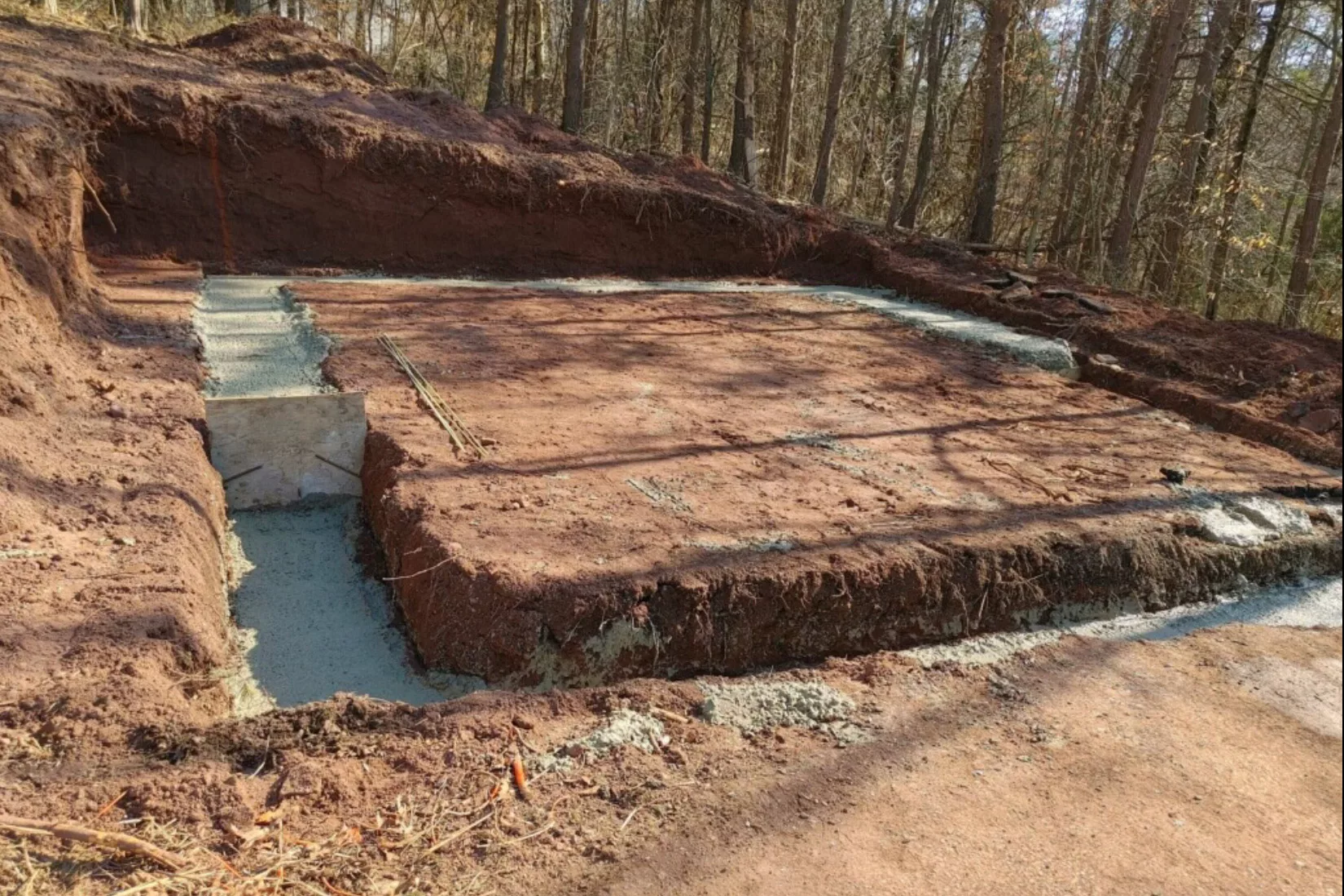
DIY vs. Professional Garage Foundation Work: Which Is Right for You?
Building a garage is a significant project that can add value, storage, and utility to your property. But before you frame the walls or hang the door, you have to start at the bottom: the foundation. The foundation is the literal bedrock of your structure. Get it right, and your garage will stand strong for decades. Get it wrong, and you could be looking at cracked floors, shifting walls, and expensive repairs down the road.
This brings up a critical decision for every homeowner embarking on this journey: Should you pour the foundation yourself or hire a professional?
The DIY route is tempting. It promises autonomy and potential cost savings. On the other hand, professional installation offers expertise, efficiency, and peace of mind. Both paths have validity depending on your skill level, the project’s scope, and your budget. This guide breaks down the complexities of garage foundation, comparing the do-it-yourself approach against hiring a pro, so you can make an informed decision that ensures your new garage stands on solid ground.
Understanding the Importance of a Solid Garage Foundation
A garage foundation does more than just provide a flat surface to park your car. It transfers the weight of the structure (the dead load) and its contents (the live load, including vehicles, tools, and snow on the roof) into the ground. It also acts as a barrier against moisture and pests.
If a foundation is weak or uneven, the problems ripple upward. Doors may not close properly, windows can crack, and in severe cases, the structural integrity of the entire building is compromised. In cold climates, the foundation must also account for frost heave—the expansion of soil as it freezes—which can lift and crack concrete slabs if they aren’t properly anchored or insulated.
Because the stakes are high, the margin for error is slim. This isn’t like painting a wall where a mistake can be covered with another coat. Concrete is permanent. Once it cures, fixing errors often means jackhammering it out and starting over.
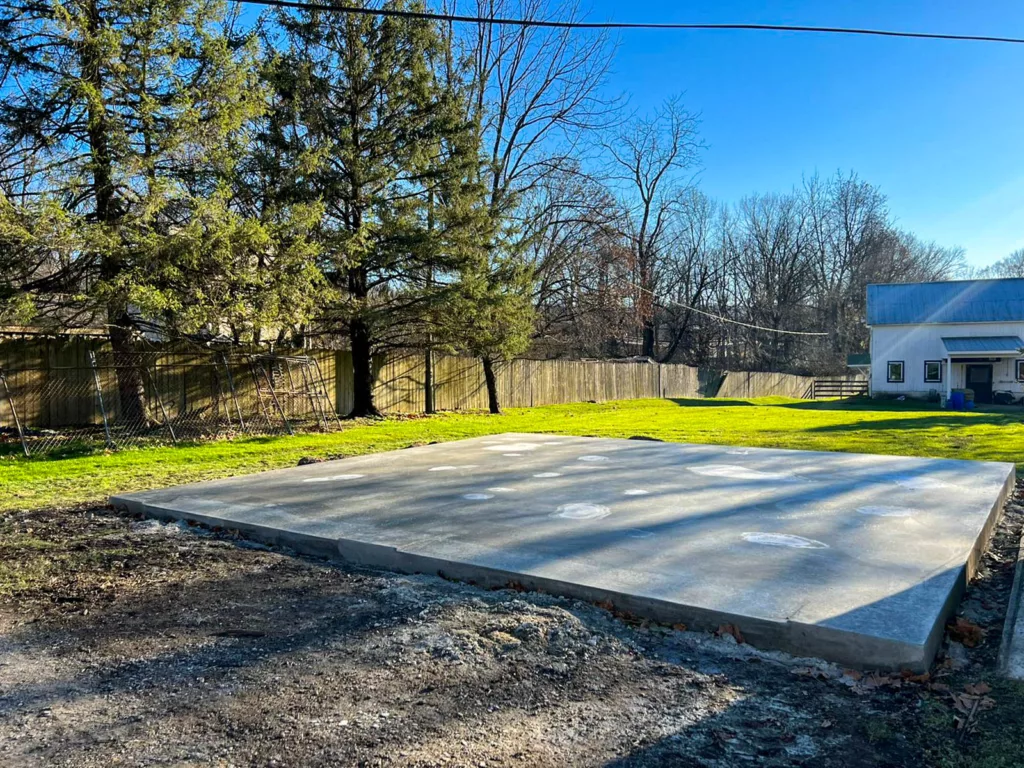
Pros and Cons of DIY Garage Foundation Projects
Taking on a foundation project yourself is a massive undertaking, but for the right person, it can be rewarding. Here is a breakdown of what to expect.
The Advantages of DIY
Cost Savings: The most obvious benefit is saving on labor costs. Professional labor can account for 40% to 60% of the total project price. By doing the work yourself, you pay only for materials, tool rentals, and permits.
Schedule Control: When you hire a contractor, you are subject to their schedule. If they are booked out for months or get delayed by weather on another job, your project waits. DIY means you work on your own timeline, whether that’s weekends, evenings, or a solid block of vacation time.
Personal Satisfaction: There is a distinct pride in looking at a finished structure and knowing you built it from the ground up. For avid hobbyists, the learning process itself is valuable.
The Disadvantages of DIY
Physical Demand: Concrete work is grueling. It involves digging, hauling heavy forms, bending rebar, and moving wet concrete that weighs about 150 pounds per cubic foot. It requires significant physical stamina.
Hidden Costs: While you save on labor, DIY projects often incur unexpected costs. You might need to rent heavy machinery like an excavator or a skid steer. You’ll need specialized tools like bull floats, edgers, and screeds. If you make a mistake, buying materials to fix it comes out of your pocket.
Lack of Warranty: If a DIY foundation cracks or settles after a year, you have no one to call. You are the warranty.
Time Consumption: Professionals have crews. A job that takes a pro team three days might take a solo DIYer three weeks.
When to Call the Experts: The Benefits of Professional Installation
Hiring a professional concrete contractor is often the safer route for a project as critical as a foundation. Here is why many homeowners opt to pay for expertise.
Expertise and Precision
Concrete is chemically complex. The mix needs to be right for the local climate and soil conditions. Professionals understand slump (wetness), curing times, and reinforcement needs. They know how to grade the ground properly so water flows away from the structure, not into it. They also have the skills to achieve a perfectly level and smooth finish, which is deceptively difficult for beginners.
Efficiency and Speed
A professional crew works like a well-oiled machine. They have the manpower to pour, screed, and finish a large slab before the concrete starts to set. This is crucial because concrete waits for no one. Once the chemical reaction begins, you have a limited window to work. A pro team can complete the prep work and pour in a fraction of the time it takes a DIYer.
Equipment Access
Contractors own the heavy equipment necessary for excavation and site prep. They have the laser levels to ensure the forms are perfect. They have power trowels for finishing. Renting all this equipment adds up for a homeowner, but for a contractor, it’s part of their standard toolkit.
Reduced Risk
Professionals carry insurance. If their excavator hits a water line or if a worker gets injured, their liability insurance covers it. If you are doing it yourself, those risks fall on you and your homeowner’s insurance.
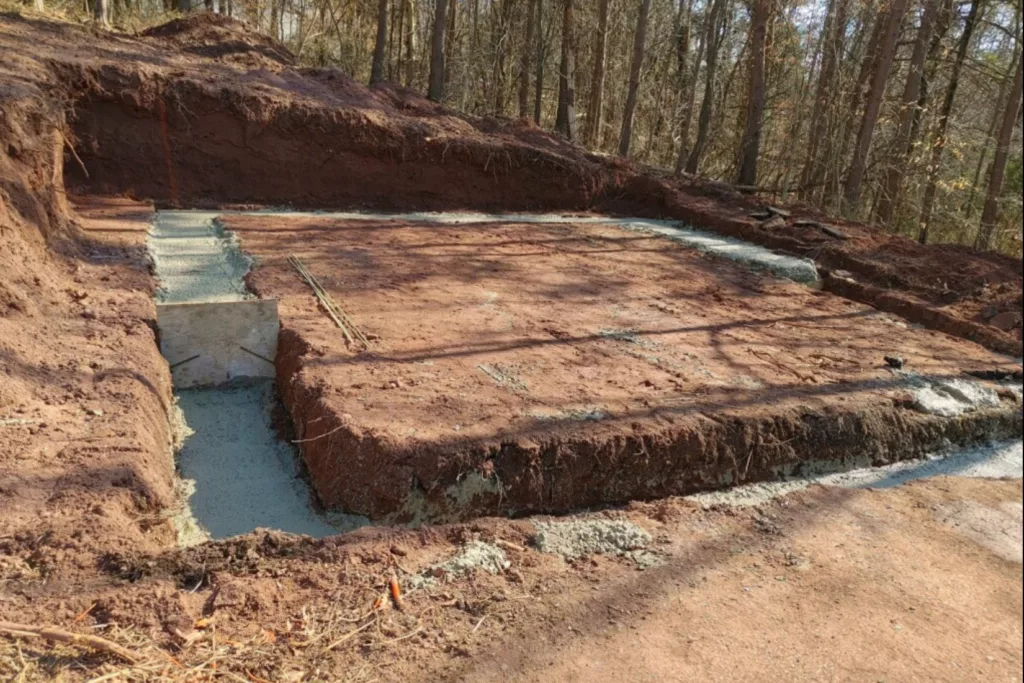
Cost Analysis: Initial Savings vs. Long-term Structural Integrity
When analyzing costs, it is vital to look beyond the initial price tag.
The Initial Price Tag
A DIY project will almost always look cheaper on paper. You are buying gravel, rebar, vapor barriers, and concrete. You are paying for permits and perhaps a pump truck rental.
A professional quote includes all materials plus labor, overhead, and profit. This can make the professional option significantly more expensive upfront—often double the cost of materials alone.
The Long-Term Perspective
However, the calculation changes when you consider the cost of errors. A foundation repair can cost thousands of dollars. If a DIY slab cracks due to improper reinforcement or bad sub-grade preparation, you might spend more fixing it than you saved by doing it yourself.
Furthermore, a professionally installed foundation adds more value to the home resale. Inspectors and buyers may be wary of DIY structural work, whereas a documented professional installation offers assurance.
Ultimately, you are trading money for risk mitigation. If you have the skills, the risk is lower, and the savings are real. If you are learning as you go, the risk is high, and the “savings” might eventually cost you more.
Common DIY Mistakes and How to Avoid Them
If you are leaning toward the DIY route, being aware of common pitfalls can save your project.
Inadequate Site Preparation:
The most common cause of failure happens before the truck arrives. If the soil isn’t compacted correctly, or if organic material (like roots) is left beneath the slab, the ground will settle unevenly. This causes the concrete to crack. Solution: Remove all topsoil and use a plate compactor to pack down the sub-base thoroughly.
Improper Drainage:
Water is concrete’s enemy. If the ground doesn’t slope away from the foundation, water will pool, potentially freezing and heaving the slab or eroding the soil beneath it. Solution: Ensure proper grading and install a gravel base that allows water to drain.
Poor Reinforcement:
Concrete has high compression strength (it can hold a lot of weight) but low tensile strength (it cracks easily when pulled apart). Rebar or wire mesh provides that tensile strength. Solution: Use the correct gauge of rebar and ensure it is suspended in the middle of the slab using “chairs,” not laying flat on the ground.
Underestimating the Volume:
Running out of concrete halfway through a pour is a nightmare. It leads to a “cold joint”—a weak seam where the new wet concrete meets the older, setting concrete. Solution: Use a concrete calculator and order 10% more than you think you need to account for spillage and uneven ground.
Overworking the Concrete:
It’s natural to want to smooth the surface, but overworking it with a trowel can bring too much water to the surface. This weakens the top layer and leads to flaking or “spalling” later on. Solution: Learn the proper timing for floating and troweling. Wait for the bleed water to disappear before the final finish.
Safety and Permit Requirements for Garage Foundations
Safety cannot be an afterthought. Wet concrete is caustic; it can cause chemical burns on bare skin. Silica dust from cutting dry concrete is a serious respiratory hazard. DIYers need to be equipped with heavy gloves, boots, long sleeves, and proper eye protection.
Beyond personal safety, there is legal safety. Almost every municipality requires a building permit for a garage foundation service. This process involves submitting plans that show the location, dimensions, and construction details.
Building without a permit is risky. You could be fined, forced to tear down the work, or face issues when selling your home. Inspections are usually required at different stages—often before the concrete is poured (to check the forms and rebar) and after. Professionals handle the permit process as part of their service, knowing exactly what local codes require regarding depth, thickness, and reinforcement. DIYers must navigate this bureaucracy themselves.

Why Homeowners Choose Firm Foundations for Lasting Results
For many homeowners, the complexity and physical toll of foundation work simply aren’t worth the stress. This is where a specialized company like Firm Foundations makes the difference.
Choosing Firm Foundations means choosing reliability. They bring years of experience to the table, ensuring that the specific soil conditions of your lot are accounted for. They don’t just pour concrete; they engineer a base. From meticulous excavation and sub-grade compaction to the precise placement of reinforcement, they manage every variable that could threaten the longevity of your structure.
Clients choose Firm Foundations because they want a guarantee. They want to know that when they park their heavy truck in the garage or install a car lift, the floor won’t crack. They want the assurance that the project will be done on time, on budget, and up to code, without having to lift a finger—or a heavy bag of cement.
Making the Right Choice for Your Home and Budget
Deciding between DIY and professional installation comes down to an honest assessment of three things: your budget, your physical ability, and your experience.
If you have experience with concrete, access to the right tools, and a tight budget, DIY is a viable option. It allows you to put sweat equity into your home. Just remember that “sweat” is literal here—it is hard, unforgiving work.
However, for most homeowners, the foundation is too critical to gamble on. The structural integrity of your garage depends entirely on that slab. Hiring experts like Firm Foundations ensures that your investment is protected. The upfront cost pays dividends in longevity, durability, and the elimination of future headaches.
Firm Foundations LLC
https://maps.app.goo.gl/Uf6XdgtpBTETgNrr7
1535 White School Rd, Honey Brook, PA 19344, United States
(717) 716-7267
https://shedpads.com/