
Site Prep


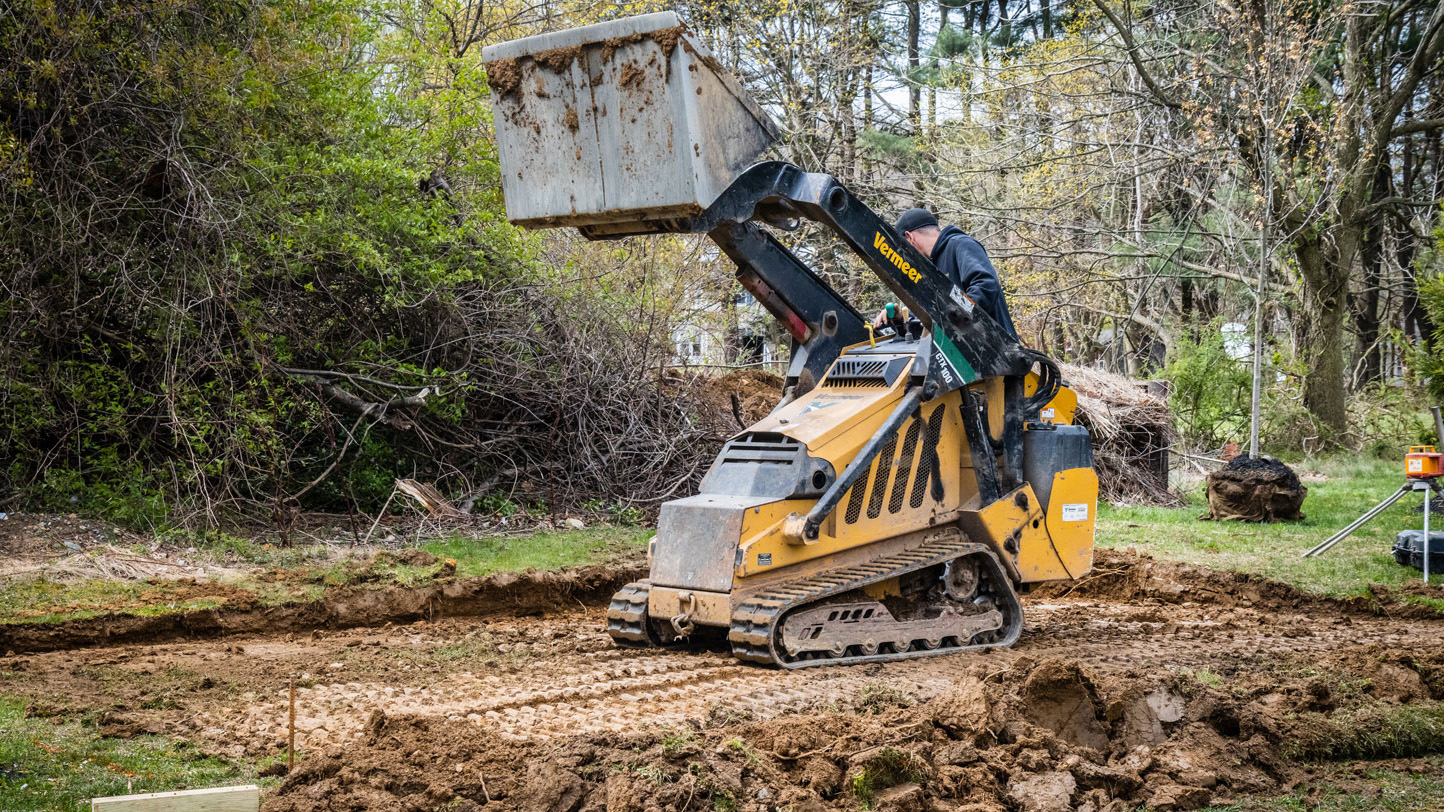
The Hidden Side of Construction: Why Site Prep Matters More Than You Think
When we admire a new skyscraper piercing the city skyline or a sprawling new residential complex, our eyes are naturally drawn upward. We appreciate the architecture, the glasswork, the landscaping, and the sheer scale of the achievement. We marvel at the visible results of construction. However, the most critical part of that building’s lifespan happened long before the first beam of steel was raised or the first bag of concrete was poured.
It happened in the dirt.
Site preparation is the unsung hero of the construction industry. It is the phase that exists almost entirely out of sight once a project is complete, yet it dictates the longevity, safety, and financial viability of the entire structure. For many, “site prep” sounds like a simple matter of clearing away a few bushes and moving some dirt around. In reality, it is a complex engineering discipline involving geology, hydrology, and precise excavation.
Without rigorous site preparation, even the most beautifully designed building is destined for failure. Cracks in the drywall, flooding in the basement, or catastrophic foundation shifts can all be traced back to what happened—or didn’t happen—during those initial days on the job site. Understanding the gravity of this phase is essential for developers, investors, and homeowners alike. It is the difference between a project that stands the test of time and one that becomes a financial sinkhole.
The Invisible Backbone of Structural Integrity
If a building’s frame is its skeleton, the prepared site is the muscle that holds it upright. A structure does not float on top of the land; it interacts with it. The weight of the building, known as the “load,” must be transferred into the ground. If the ground cannot support that load, gravity wins, and the building sinks.
This creates a phenomenon known as differential settlement. This isn’t just the building sinking uniformly; it is when one part of the foundation settles faster or deeper than another. This uneven movement puts incredible stress on the building’s joints and materials. Windows shatter, doors refuse to close, pipes burst, and structural beams warp.
Proper site preparation ensures that the soil has the necessary bearing capacity to support the structure uniformly. It transforms a chaotic, natural landscape into a predictable, engineered platform. This involves managing not just the soil, but the water that moves through it. Water is the enemy of a foundation. If site prep doesn’t account for drainage, water can pool around the foundation, softening the soil and leading to hydro-static pressure that can crack concrete walls.
Ultimately, the integrity of the building is entirely dependent on the integrity of the earth beneath it. You cannot build a castle on quicksand, and you cannot build a warehouse on uncompacted fill.
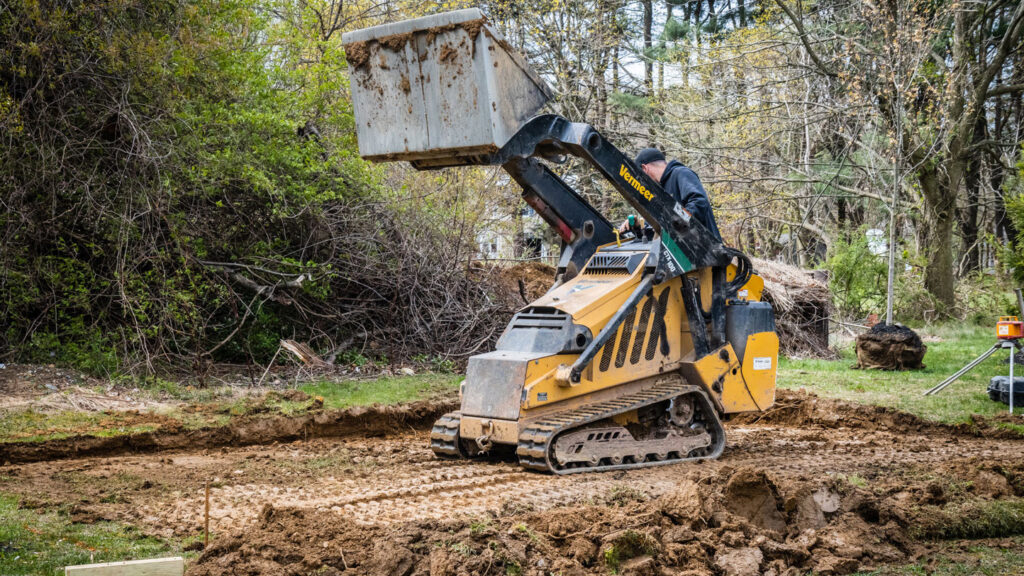
Breaking Down the Process: More Than Just Moving Dirt
To the untrained eye, site preparation looks like bulldozers pushing piles of earth back and forth. However, it is a carefully choreographed sequence of events, each building on the last. Skipping a step or rushing through one can compromise the entire project.
Geotechnical Investigation and Soil Testing
Before a single machine arrives on site, the science begins. Geotechnical engineers must assess what lies beneath the surface. This is done through soil testing.
Soil is not uniform. A single acre of land can contain pockets of clay, veins of sand, and layers of bedrock. Each of these materials reacts differently to weight and water. Clay, for example, is expansive. When it gets wet, it swells; when it dries, it shrinks. This constant movement can destroy a foundation.
Testing determines the soil’s composition, its compaction levels, and the water table depth. If the soil is deemed “poor,” it doesn’t mean the project is cancelled. It means the site prep team has to engineer a solution, such as removing the bad soil and bringing in structural fill, or stabilizing the soil with lime or cement.
Site Clearing, Demolition, and Grubbing
Once the plan is set, the physical work begins with clearing. This involves removing obstacles that would obstruct construction. It includes demolishing old structures, removing debris, and “grubbing.”
Grubbing is the removal of vegetation, specifically roots. Leaving organic material, like tree stumps or large root systems, buried in the ground is a major mistake. Over time, organic material decays. As it rots, it creates voids or empty spaces underground. Eventually, the soil above collapses into these voids, causing sinkholes or depressions in the foundation. Thorough grubbing ensures that the ground remains solid for decades.
Grading and Excavation
This is where the site takes shape. Excavation involves removing earth to create the footprint for the foundation, basements, and utility lines. It requires extreme precision; digging too deep can disturb stable soil, while not digging deep enough can leave the foundation vulnerable to frost heave.
Grading follows excavation. This is the process of leveling and sloping the land. Rough grading happens early to shape the general landscape, while finish grading happens near the end to prepare for landscaping.
The most critical aspect of grading is water management. The site must be sculpted so that water flows away from the building, not toward it. A grade of at least 5% (a 6-inch drop over 10 feet) away from the structure is typically recommended. This simple slope acts as the first line of defense against water damage.
How Firm Foundations Ensures Precision
In an industry where margins are tight and timelines are tighter, the temptation to rush site preparation is real. This is where Firm Foundations separates itself from the competition. We understand that precision in the early stages pays dividends in the final stages.
At Firm Foundations, we view site preparation not as a preliminary chore, but as the primary engineering challenge of the project. We utilize advanced technology to ensure accuracy. GPS-guided grading equipment allows us to sculpt the land to within fractions of an inch of the architectural plans. This eliminates the guesswork and ensures that drainage slopes are perfectly executed.
Furthermore, we prioritize communication with geotechnical engineers. If we encounter unexpected soil conditions—which happens often in construction—we stop and reassess. We don’t just bury the problem. Whether it involves over-excavating soft spots or installing geogrids for soil stabilization, Firm Foundations commits to solving the issue below ground so you don’t have to deal with it above ground later.
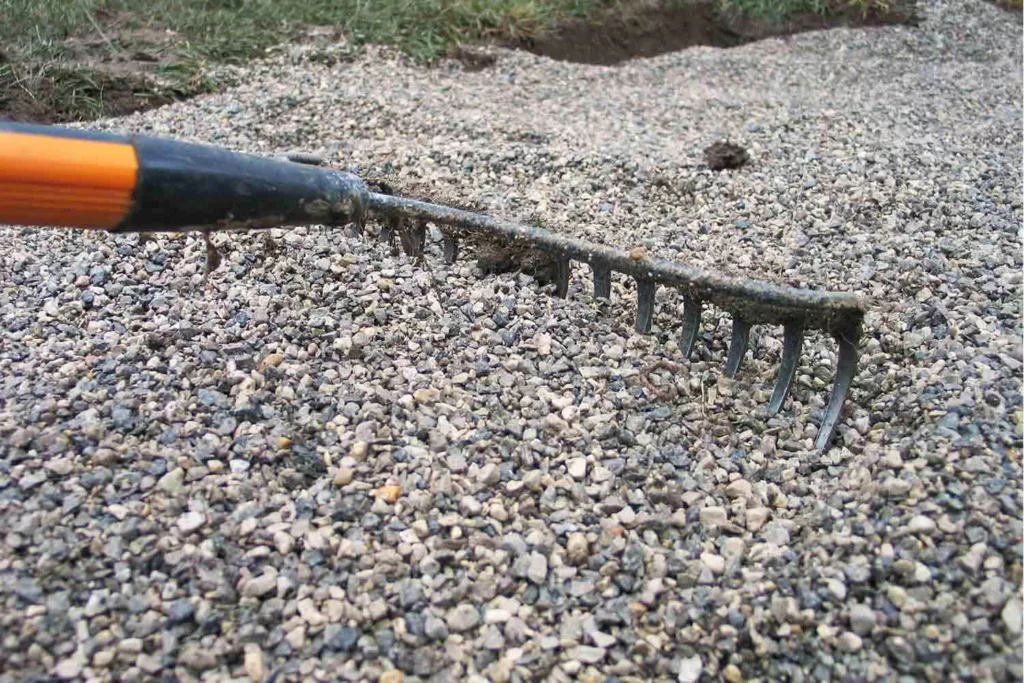
Our team creates a site that is not just flat, but stable. We focus on proper compaction, testing the density of the soil in lifts (layers) to ensure there are no weak points. This meticulous approach provides the peace of mind that once the concrete is poured, it stays put.
The Risks of Cutting Corners
The consequences of poor site preparation are rarely immediate. They are slow, insidious, and incredibly expensive. The decision to save money on the front end by hiring the cheapest excavation crew or skipping soil testing usually results in spending ten times that amount on repairs later.
The Financial Fallout
Remedying a foundation failure is one of the most expensive repairs in construction. Underpinning a house or commercial building—driving steel piers deep into the ground to stabilize a sinking foundation—can cost tens of thousands, sometimes hundreds of thousands of dollars.
Beyond the repair costs, there is the litigation. If a commercial building settles and creates safety hazards, the property owner faces lawsuits. If a residential developer builds a subdivision on poorly compacted fill, they face legal action from every homeowner in the neighborhood.
There are also immediate construction costs associated with bad prep. If a site isn’t properly graded to shed water, a single rainstorm can turn the job site into a mud pit, halting construction for days or weeks. Machinery gets stuck, materials get ruined, and schedules fall apart. Investing in proper site prep ensures the construction schedule stays on track.
Safety Concerns
While money can be lost and recovered, safety is non-negotiable. Poor site prep creates genuine hazards. Retaining walls built on weak soil can collapse. Trenches dug in unstable earth can cave in, endangering workers. In extreme cases, massive slope failures or landslides can occur if the site’s topography was altered without proper engineering controls.
Prioritizing site preparation is a moral obligation to the safety of the workers building the structure and the people who will eventually occupy it.
Building for the Future
Construction is about building something that lasts—homes, businesses, and communities for generations. But durability starts with the ground beneath. At Firm Foundations, we specialize in high-quality site preparation, where nature meets engineering. From managing drainage during heavy storms to ensuring soil stability for steel and glass structures, our work lays the foundation for safe, long-lasting buildings.
Investing in proper site preparation is investing in the future of your asset. It prevents cracks, settling, and costly headaches down the road. The heavy machinery you see on-site isn’t just moving dirt; it’s creating stability and setting the stage for success.
If you’re planning a project, don’t overlook the foundation beneath it all. Partner with experts who understand the science of the ground. Start strong. Start with Firm Foundations.
Firm Foundations LLC
https://maps.app.goo.gl/Uf6XdgtpBTETgNrr7
1535 White School Rd, Honey Brook, PA 19344, United States
(717) 716-7267
https://shedpads.com/