
Shed Foundations in Pennsylvania: Wood vs Metal Sheds
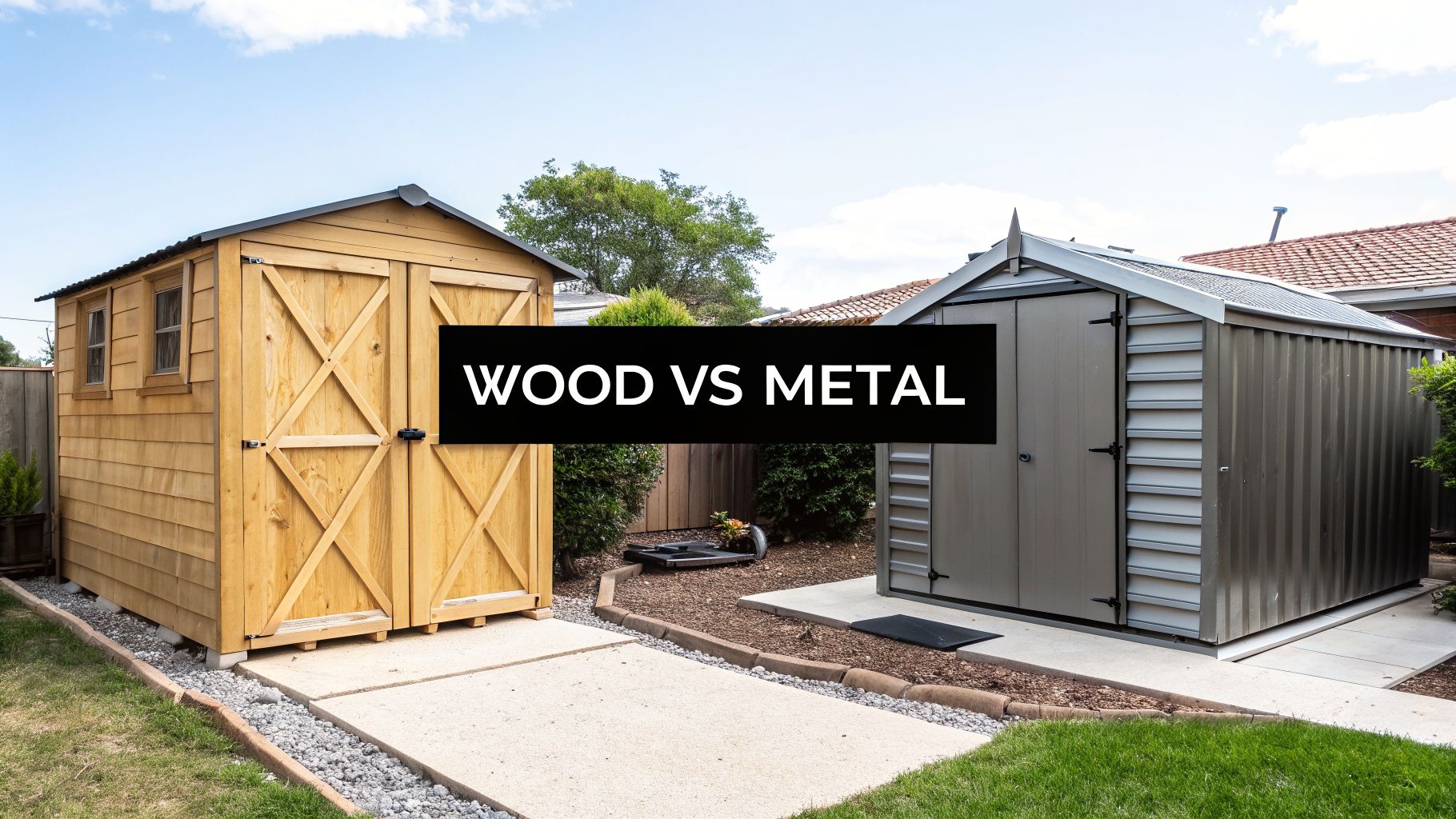
When you're standing in your backyard in Pennsylvania, picturing where that new shed will go, the first big question is always the same: wood or metal? It’s a classic debate for homeowners, but the answer often boils down to a simple trade-off. Wood gives you that timeless look and endless customization, while metal brings unmatched durability with almost no maintenance.
Deciding which way to go really depends on your priorities. Are you looking for a shed that blends in perfectly with your home's aesthetic, or do you need a workhorse structure that can stand up to anything our local weather throws at it with minimal fuss? At Firm Foundations, we've helped countless neighbors in our community build a solid base for both, and we understand the choice you're facing.
Wood vs Metal Sheds: A Quick Comparison
For homeowners in Pennsylvania, Maryland, Delaware, and New Jersey, this choice is a big deal. The material you pick will shape your shed's cost, how long it lasts, and what it looks like next to your home for years to come. As your local construction and concrete foundation experts, we want to help you make a choice you’ll be happy with.
Of course, before you get too deep into materials, you have to figure out how much storage space you actually need. Knowing whether you need a trim 4×8 shed with foundation or a more spacious 10×10 storage shed will help you lock in a realistic budget and narrow down your material options.
Key Material Differences
Both wood and metal can give you great storage, but they get there in very different ways. Wood has a natural charm that’s hard to beat, and since it’s so easy to customize, you can make it feel like a true extension of your house. Metal, on the other hand, is all business—it’s built for pure function, standing strong against pests, rot, and fire without you having to lift a finger.
This chart gives you a quick visual breakdown of what each material brings to the table.

It’s clear that people are weighing these pros and cons carefully. Looking at the wider outdoor shed market, metal sheds are currently the top choice, holding a 31.29% market share. Wood sheds aren't far behind at 24.63%, but these numbers show a strong preference for metal's rugged, low-maintenance appeal, especially in areas like ours where weather can be tough.
To help you sort through these factors for your own yard, here’s a straightforward comparison.
Wood vs Metal Shed At-a-Glance Comparison
This table lays out the key differences side-by-side, giving you a quick reference for weighing your options.
| Attribute | Wood Sheds | Metal Sheds |
|---|---|---|
| Durability | Prone to rot, insects, and warping without regular maintenance. Susceptible to moisture damage, especially in the humid Mid-Atlantic climate. | Highly resistant to rot, pests, and fire. Galvanized steel options prevent rust. Withstands heavy snow and high winds effectively. |
| Maintenance | High. Requires regular painting, staining, or sealing (every 2-3 years) to prevent weather damage and maintain appearance. | Low. Typically only needs occasional washing. No painting or sealing required. |
| Customization | High. Easily painted to match your home, and you can add windows, shelves, lofts, and architectural details like trim or flower boxes. | Low. Limited color choices and fewer options for adding custom features like windows or unique doors. |
| Initial Cost | Higher. The initial purchase price is generally more expensive than a comparable metal shed. | Lower. Often the more budget-friendly option upfront, making it a great value choice. |
| Foundation Needs | A solid base for your storage shed is critical to prevent ground moisture from causing rot. A gravel shed foundation is an excellent choice for drainage. | Requires a level base to prevent dents and ensure door alignment. A concrete or gravel shed foundation provides necessary stability. |
After reviewing the differences, you can see how the right choice really depends on your budget, how much work you want to put in, and the look you’re going for.
Ultimately, it doesn't matter which material you pick if it’s sitting on a bad base. The lifespan of your shed is completely dependent on the quality of its foundation. A professionally installed shed foundation, whether it's a gravel pad or a concrete slab from a trusted contractor like Firm Foundations, is the single best investment you can make to protect your new shed from the ground up.
Comparing Shed Durability in Mid-Atlantic Weather
When you’re buying a new storage shed, you need to know it will stand up to our local weather. From the heavy, wet snow we get in a Pennsylvania winter to the sticky humidity of a Maryland summer, the Mid-Atlantic climate is a true test of any outdoor structure. As your local shed foundation contractors, we've seen firsthand how our weather impacts these structures.
The real difference comes down to how each material handles our two biggest challenges: moisture and pests. A shed’s ability to fight off rot, rust, and insects directly affects its lifespan and how well it protects what’s inside.

Wood Sheds Resilience Against the Elements
A classic wood shed, like a barn shed, adds a certain charm to backyards from Honey Brook to all our service areas. These sheds are typically built with pressure-treated lumber, which gives them a head start against decay and bugs. But that initial protection doesn't last forever.
The humid summers in Delaware and New Jersey are tough on wood. Moisture gets in, which can lead to warping, swelling, and eventually rot. That’s why regular maintenance—painting or staining every few years—is absolutely critical. If you skip it, a wood shed’s structural integrity will suffer.
Metal Sheds Performance in Harsh Conditions
Metal sheds, on the other hand, are engineered from the ground up for low-maintenance durability. Made from galvanized steel, they offer much better protection against the very things that cause wood to fail.
- Pest-Proof: Termites, carpenter ants, and other pests that love wood have no interest in a metal frame.
- Rot and Fire Resistant: Steel simply can't rot, warp, or burn, which adds another layer of safety for your stored items.
- Moisture Barrier: The galvanized coating on a modern metal shed is excellent at preventing rust, even in our damp, humid climate.
When you look at the numbers, metal has a clear advantage in longevity. Studies show that metal structures often last 20-30 years, while wood sheds in similar conditions typically have a lifespan of 10-15 years. The galvanized coatings on metal sheds are a key factor in preventing corrosion, especially in North America where weather is a major concern. On the flip side, wood's weakness against moisture and termites can cut its lifespan by 40-50% if it isn’t sealed consistently. You can learn more about how weather influences shed material choices and market trends.
Key Takeaway: While a well-maintained wood shed can certainly last, a metal shed is more of a "set it and forget it" option. Its natural resistance to pests, rot, and moisture makes it a smart choice for anyone looking for a long-term storage solution with minimal upkeep.
The Foundation: The True Key to Longevity
Now for the most important part: a shed's durability is completely dependent on its foundation. It doesn’t matter if you have a charming wood barn shed or a practical metal one—if you place it directly on the ground, you're setting it up to fail. Ground moisture will attack the base of any shed, causing wood to rot and metal floor frames to rust through.
This is why a professionally installed base for your storage shed isn't just a good idea; it's essential. As experienced shed foundations contractors near me in PA, MD, DE, and NJ, we’ve seen it happen time and time again. A shed on a bad site will fail, regardless of what it's made of.
A proper gravel shed foundation, for instance, lifts the structure off the ground and provides critical drainage to keep moisture away from the floor. For larger sheds or heavier equipment, a cement foundation for a garage or shed creates an unbreakable barrier against moisture and frost heave. By hiring professional gravel shed foundation contractors near me, you’re making sure your investment is protected from the ground up, guaranteeing it will last for decades.
Understanding the True Cost of Your Shed
It's easy to get fixated on the sticker price when you're shopping for a storage shed. But if you want to make a smart investment for your home in Pennsylvania, Maryland, Delaware, or New Jersey, you have to look beyond that initial number. The real cost isn't just what you pay on day one.
A shed is a long-term fixture on your property. To understand the full financial picture, you need to think about what it will cost you in five, ten, or even twenty years. The initial purchase, ongoing maintenance, and the shed foundation all play a significant role in your total investment.
Initial Purchase Price: Wood vs. Metal
The first cost you’ll encounter is the upfront price, and this is where wood and metal sheds diverge significantly. Generally speaking, a metal shed will have a more accessible entry point for your budget.
You can often find a metal shed kit for under $1,000, which makes them a practical choice for many homeowners. Wood sheds almost always start at a higher price, and that cost climbs quickly as you add custom features or select premium lumber.
In a direct comparison, metal sheds can be 30-50% cheaper upfront than similar wood models. More importantly, the minimal upkeep of a metal shed can save a homeowner between $500 and $1,000 annually over a decade, especially compared to the constant maintenance wood demands in our damp Mid-Atlantic climate. You can explore more on these cost-saving benefits on ShelterLogic.com.
Long-Term Costs: Maintenance and Repairs
This is where the financial gap between wood and metal truly widens. The recurring expenses needed to maintain a wood shed can add up substantially over its lifespan.
- Painting and Staining: A wood shed requires a fresh coat of paint or stain every two to three years to defend against moisture, sun, and pests. This is a perpetual cost in both money and your time.
- Repairs: Wood is naturally vulnerable to rot, warping, and insect damage. As the years go by, you'll likely find yourself replacing boards, patching holes, and fixing structural problems caused by weather.
Metal sheds, by contrast, carry almost no long-term maintenance costs. Their galvanized steel construction is engineered to resist rust, rot, and pests without any extra work from you. An occasional rinse with a hose is usually all it takes to keep a metal shed in prime condition for decades.
A wood shed is an ongoing project, while a metal shed is a finished product. Factoring in the cost of paint, sealant, and future repairs gives you a much clearer picture of your total investment.
The Foundation: A Critical One-Time Cost
Regardless of the shed material you choose, the most crucial cost to get right is the foundation. Trying to cut corners here is the single most expensive mistake you can make. Placing a shed directly on the ground is a recipe for premature failure, quickly turning your investment into a costly headache.
A professionally installed base for your storage shed is a one-time cost that protects your shed for life. As expert shed foundation contractors near me, Firm Foundations ensures your structure rests on a perfectly level, stable surface that prevents moisture damage from the ground up. Whether you need a shed foundation gravel base for superior drainage or a solid concrete foundation for heavy-duty storage, getting it done right from the start saves you from expensive structural repairs later. To see what shapes these expenses, you can learn more about the cost of storage sheds in our detailed guide.
Aesthetics and Customization Options
A shed is more than just storage; it’s a feature of your backyard landscape. How it looks and how you can personalize it are often just as critical as how long it will last. When we look at wood vs. metal storage sheds, the differences in appearance and customization are significant, especially for homeowners across Pennsylvania, Maryland, Delaware, and New Jersey.
Wood sheds bring a classic, warm feel that blends seamlessly into a garden or wooded lot. Their greatest strength is the nearly endless potential for design. You can paint or stain a wood shed to perfectly match your home's exterior, creating a truly cohesive look.
Metal sheds, on the other hand, have traditionally carried a more utilitarian, industrial reputation. While modern manufacturing has certainly improved things with a wider array of colors, moving past basic gray, they don't quite offer the organic character of wood. Today’s metal sheds provide a clean, modern profile that complements many contemporary properties.
Customizing a Wood Shed for Your Needs
The real power of a wood shed is in its adaptability. Because wood is so forgiving to work with, you can easily take a standard model and turn it into a highly personalized and functional space. This makes it the clear winner if your plans for the shed go beyond simply storing a lawnmower.
Consider some of the common customizations we see:
- Adding Windows and Skylights: Bringing in natural light is straightforward, making a wood shed perfect for a workshop, potting area, or even a small studio.
- Installing Shelves and Lofts: You can build out the interior with custom storage, from heavy-duty shelving for tools to an overhead loft for out-of-the-way seasonal items.
- Architectural Details: It's simple to add charming details like flower boxes, decorative trim, or a cupola, turning a basic shed into a genuine backyard focal point.
Metal Sheds and Their Design Limitations
While metal sheds look better than they used to, they can't compete with wood on customization. Their pre-fabricated panel construction makes modifications a real challenge. Trying to add a window isn't a simple weekend project and can easily compromise the shed's structural integrity if done improperly.
Key Insight: Choose wood if your goal is a multi-purpose space or a perfect match for your home's style. Opt for metal if you want a simple, no-fuss storage box and are content with a standard design.
Real-World Scenarios in Our Community
In our service areas, we see homeowners making these choices based on very specific needs. A family in Honey Brook, PA, might select a beautiful barn shed made of wood, painted to match their house, to serve as a home office. For them, the ability to insulate, run wiring, and install custom windows is non-negotiable.
On the flip side, a homeowner in New Jersey who just needs a secure spot for bikes and tools might go with a modern metal shed. Its resilience in the coastal air and its zero-maintenance profile make it the most practical choice for straightforward storage.
No matter which style you choose, the entire structure’s stability depends on what’s underneath it. At Firm Foundations, we build the exact gazebo foundation or shed pad your project requires. Whether that’s a gravel shed foundation base for a 10×10 storage shed or a solid concrete slab, we make sure your investment is built on solid ground from day one.
Why Your Shed Foundation Is So Important

The wood vs. metal shed debate often centers on aesthetics, cost, and longevity. While these are important considerations, they become irrelevant if you neglect the single most critical component of the entire project: the shed foundation. An improperly prepared base is the number one cause of shed failure, leading to significant damage and drastically shortening the life of your investment.
For property owners in Pennsylvania, Maryland, Delaware, and New Jersey, the primary adversary to your shed is ground moisture. Without a proper foundation acting as a barrier, water will inevitably seep into a wood shed’s floor system, causing rot and decay from the ground up. In a metal shed, this same constant moisture exposure will rust the steel frame, compromising the structure and leading to warped, weakened panels.
A professionally installed foundation from a trusted concrete contractor like Firm Foundations elevates your shed, creating a stable, level, and dry platform that is engineered to protect it for decades. It is the only way to guarantee the structural integrity of your investment, no matter which shed material you ultimately choose.
Choosing the Right Base for Your Storage Shed
The ideal base for your storage shed is determined by its size, your intended use for it, and the specific conditions of your property. As your local garage foundation contractors, we recommend two main solutions: a gravel shed pad and a concrete slab. Both provide exceptional stability and moisture protection when installed correctly, but they are designed for different applications.
- Gravel Shed Foundation: This is the most practical and effective choice for the majority of backyard storage sheds, including common sizes like a 4×8 shed with foundation or a 10×10 storage shed. A professionally built gravel pad offers superior drainage, a crucial feature in our region’s damp climate.
- Concrete Shed Foundation: For larger buildings, workshops intended for heavy use, or when constructing a garage foundation, a concrete slab is the superior choice. It delivers a solid, permanent floor with unmatched durability for supporting vehicles and heavy machinery.
Your foundation isn't just a place to put your shed—it's a system designed to fight gravity, frost heave, and water. A professionally built pad keeps everything perfectly level, so doors and windows open smoothly, and the frame remains square and true for years.
Gravel Shed Foundation: The Gold Standard for Drainage
For the vast majority of shed installations, we strongly recommend a gravel shed foundation. It is not only cost-effective but also provides the best possible solution for managing the high moisture levels common throughout PA and NJ.
Our process begins with proper site preparation and excavation near me, creating a perfectly level base. We then install a commercial-grade geotextile fabric, which acts as a barrier to prevent weed growth while still allowing water to drain away freely. The final step involves installing and compacting several inches of crushed stone to create a firm, level pad that will resist shifting or settling over time.
Concrete Foundations for Heavy-Duty Needs
When a project requires maximum load-bearing strength, a concrete foundation is the only answer. This is essential for anyone planning to use their structure as a garage or for storing exceptionally heavy items like tractors, vehicles, or large equipment. The installation is more complex, requiring precise concrete forms, expert pouring, and professional finishing.
We manage the entire process, from the initial excavation to the final pour, ensuring the cement foundation for your garage or shed is built with the proper thickness and reinforcement for the intended load. When securing a shed to a slab, hardware selection is key; you can learn more about choosing the right concrete fastener for a durable and secure attachment. Our team builds concrete foundations and garage footings and foundations engineered to last a lifetime. To better understand the benefits of this option, check out our guide on how a https://shedpads.com/concrete-pad-for-shed/ is built.
Get a Quote From Your Local Foundation Experts
You've weighed the aesthetics, durability, and long-term costs of wood versus metal sheds. But no matter which material you settle on, the success of your project ultimately rests on the quality of the foundation beneath it. A professionally installed base is the only way to protect your investment and ensure it provides decades of reliable service.

Starting your project on solid ground is straightforward with the team at Firm Foundations. Since 2011, we have been the trusted shed foundation contractors for homeowners and businesses across Pennsylvania, Maryland, Delaware, and New Jersey. We built our reputation on quality craftsmanship and clear communication from the first call to the final inspection.
Your Project Starts With a Simple Conversation
A high-quality foundation for your shed, garage, or gazebo begins with a free, no-obligation quote. Our process is designed to be direct and customer-focused, making sure you get exactly what you need with no surprises.
Here’s what you can expect when you partner with us:
- Request Your Free Quote: Just give us a call or fill out our online form to tell us about your project. We’ll gather the details, whether you need a simple shed foundation kit for a 4×8 shed or a robust cement foundation for a garage.
- A Clear and Transparent Plan: We will discuss your specific needs, evaluate your site, and recommend the best foundation. That might be a gravel shed foundation for superior drainage or a reinforced concrete foundation for heavy-duty support.
- Expert Installation: Our experienced crew handles everything from the initial excavation and site prep to the final installation. We construct every base for a storage shed to be perfectly level, stable, and ready to support your structure for a lifetime.
At Firm Foundations, we believe in doing things right the first time. A proper foundation isn't just another expense—it's the best insurance you can buy for your new shed, preventing costly issues like rot, rust, and structural shifting down the road.
As the preferred shed foundations contractors near me for countless residents and top shed builders in the region, we are committed to delivering results that last. Let our team provide the reliable groundwork your project deserves.
Contact Firm Foundations today to schedule your free estimate and take the first step toward a successful build.
Frequently Asked Questions
As you weigh the pros and cons of wood versus metal sheds, a few key questions about the foundation always come up. Getting these details right is critical for a successful project, so we’ve put together some answers based on our years of experience as your local concrete contractors.
What Is the Best Foundation for a Shed in the Mid-Atlantic Region?
For the vast majority of backyard sheds we see, a gravel shed foundation is the most practical and effective solution in our area. The climate across PA, MD, DE, and NJ brings significant humidity and precipitation, and gravel provides the superior drainage needed to protect your shed's base from moisture.
For exceptionally large structures or buildings that will be used as a full-time workshop, a concrete foundation is a more robust, heavy-duty alternative.
Do I Need a Permit for a Storage Shed?
Permit requirements are determined at the local level and can vary quite a bit from one township to the next. As a general rule, smaller sheds—often those under 120 square feet—may not need a permit, but we always advise confirming with your local municipal office.
Our team at Firm Foundations has worked across countless municipalities, so we can often provide helpful guidance based on our direct experience with local regulations.
How Long Does a Gravel or Concrete Foundation Last?
When installed by professional shed foundations contractors near me, both gravel and concrete pads are built to last for decades. A properly constructed base for a storage shed is an incredibly durable investment, often outliving the shed itself.
Its main job is to prevent the shifting, settling, and water damage that cause most structures to fail prematurely.
This one-time investment protects your shed for its entire lifespan, ensuring you get the most value out of your purchase.
Can You Install a Foundation on a Sloped Yard?
Absolutely. A key part of our professional service is thorough site preparation, which includes excavation and grading. We create a perfectly level area for your foundation, even on properties with a significant slope.
This is a non-negotiable step for ensuring your shed remains stable and secure for years to come.
Ready to start your project on solid ground? The team at Firm Foundations has been building reliable gravel and concrete foundations since 2011. Get your free, no-obligation quote by visiting us at https://shedpads.com.