
Storage Shed Foundation
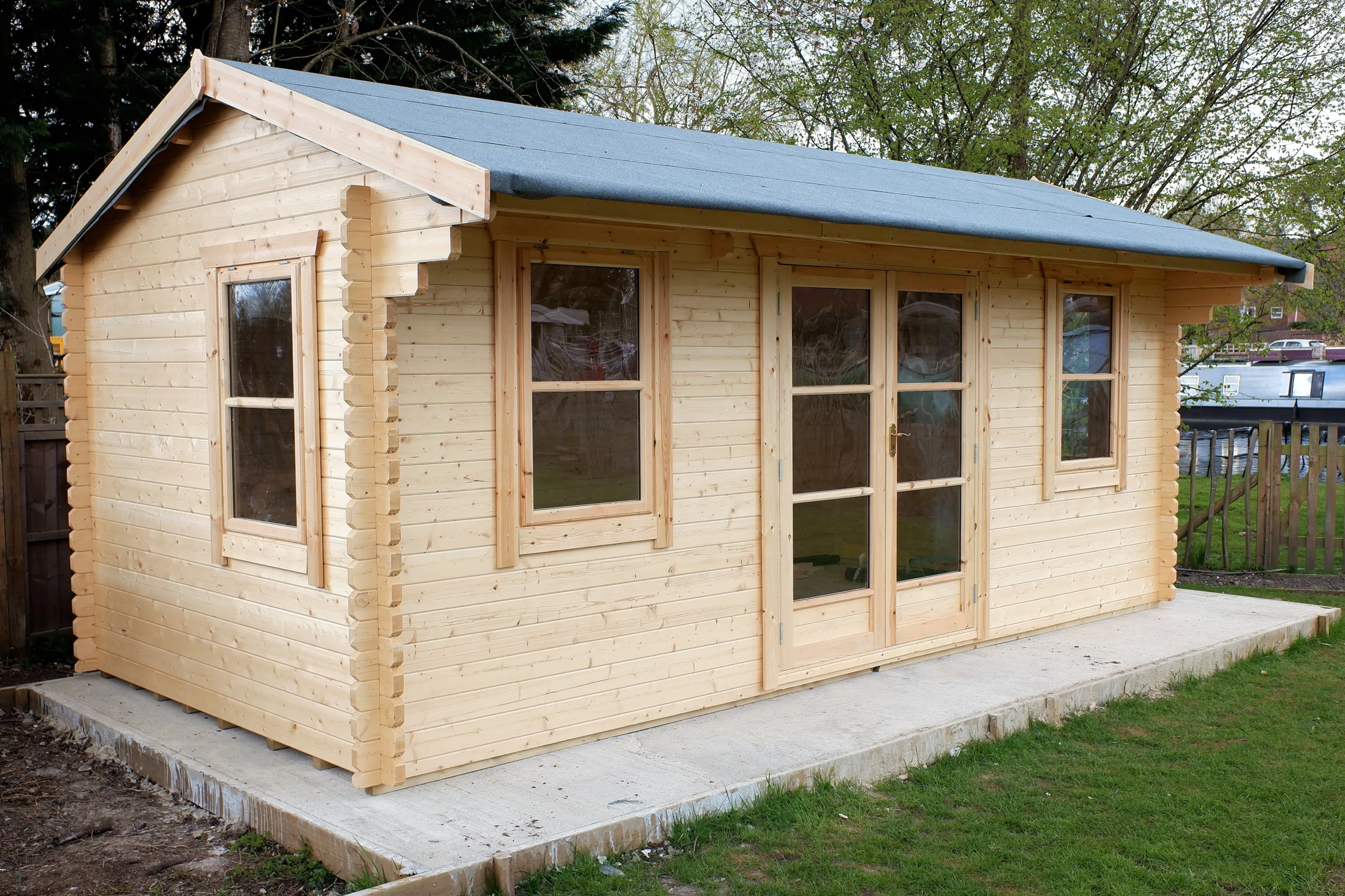
Storage Shed Foundation Made Easy: How to Build a Strong and Level Base
A high-quality shed placed on uneven ground will eventually fail, making the foundation the most critical component of the entire structure. The longevity and functionality of any outdoor building depend entirely on what lies underneath it. Without a stable base, even the most expensive shed will succumb to the elements, leading to warped frames, misaligned doors, and structural instability. Investing in a proper storage shed foundation is not merely an optional upgrade; it is a fundamental requirement for protecting the investment and ensuring the structure remains usable for years to come.
Preparing the site involves significantly more than just clearing a spot in the grass or leveling a patch of dirt. Effective site preparation requires careful planning, the selection of appropriate materials, and a strategic focus on drainage to prevent water accumulation. A casual approach to the base often results in moisture wicking up into the floor joists, causing rot and attracting pests. This guide explores the critical importance of a stable base, how to choose the ideal location, and the specific advantages of different foundation materials. From crushed stone gravel pads to permanent concrete slabs, understanding the options allows homeowners to make informed decisions that align with their specific needs and the requirements of their new shed.
The Critical Importance of a Stable Base
Preventing Structural Warping and Misalignment
An unlevel base inevitably causes the shed frame to twist over time, creating a domino effect of structural issues. As the ground shifts or settles unevenly, the stress transfers to the walls and roof, leading to doors that bind or refuse to shut and windows that crack or stick in their frames. A properly leveled storage shed foundation mitigates these risks by providing uniform support across the entire footprint of the structure, maintaining the integrity of the framing and ensuring all moving parts function smoothly.
Protecting Your Investment from Ground Moisture
A proper foundation elevates the shed’s floor joists off the damp earth, which is essential for preventing rot, mold, and mildew. Direct contact with soil acts as a wick for moisture, which can rapidly deteriorate wooden components and ruin items stored inside, from garden tools to sensitive electronics. By creating a separation between the structure and the ground, usually through a gravel pad or concrete slab, the lifespan of the floor system is significantly extended, and the interior environment remains drier and cleaner.
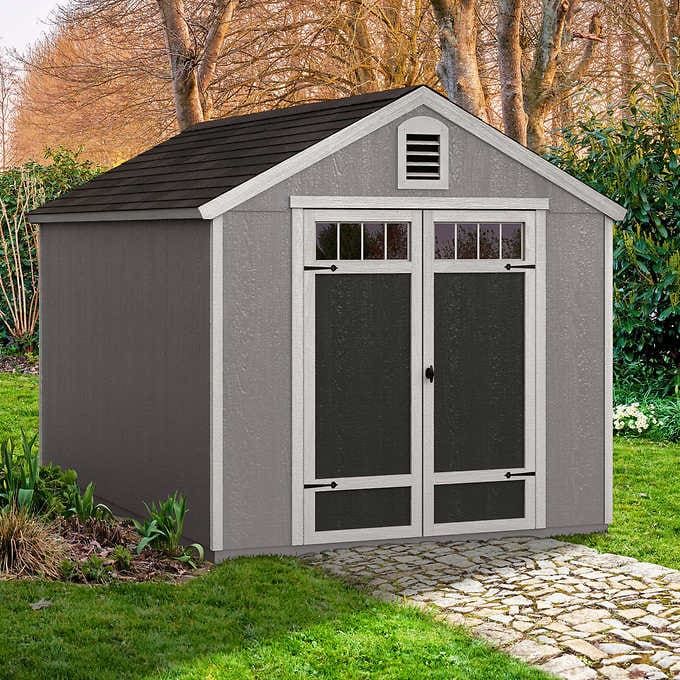
Even Weight Distribution for Heavy Loads
A solid base is essential for distributing the weight of heavy equipment like riding mowers, ATVs, or workshop machinery. Without a reinforced foundation, the floor joists may bow or break under localized stress, potentially puncturing the floor or causing the entire structure to sag. A well-constructed foundation spreads these heavy loads evenly across the ground, preventing the floor from flexing and ensuring the shed can safely accommodate substantial weight without compromising its structural integrity.
Choosing the Ideal Spot in Your Backyard
Navigating Zoning Laws and Property Lines
Before breaking ground, it is imperative to check local ordinances and HOA rules regarding setbacks from property lines and fences. Many municipalities have strict regulations governing where accessory structures can be placed, often requiring a specific distance from the property boundary or the primary residence. Failing to adhere to these zoning laws can result in fines or the forced removal of the shed, making initial research and compliance a crucial step in the planning process.
Understanding Water Flow and Drainage Patterns
Identifying low spots in the yard where water pools during rainstorms is vital for the long-term health of the shed. Placing a structure in a natural depression or drainage path invites water damage, erosion around the base, and excessive moisture underneath the floor. The ideal location is high and dry, or one where drainage can be easily managed to direct runoff away from the foundation, ensuring the storage shed foundation, shed foundation base, foundation for storage shed, storage shed base foundation, outdoor shed foundation, backyard shed foundation, concrete foundation for storage shed, gravel foundation for storage shed, wooden shed foundation, shed pad for storage shed, storage shed floor foundation, best foundation for storage shed, diy storage shed foundation, storage shed foundation ideas, cheap storage shed foundation remains stable and the interior contents stay dry.
Ensuring Access for Delivery and Daily Use
Practical placement requires ensuring there is enough clearance for the delivery truck to drop off the shed and for easy daily access. Delivery vehicles, such as specialized shed mules or trailers, need wide paths free of low-hanging branches, fences, or other obstacles to maneuver the structure into place.
The Crushed Stone Gravel Pad: The Gold Standard
Superior Drainage Capabilities
A crushed stone pad is often the preferred choice for a storage shed foundation because it allows water to drain away from the structure instantly. Unlike solid surfaces that might trap water, the gaps between the stones permit moisture to pass through to the ground below, keeping the underside of the shed dry and well-ventilated.
The Stability of a Compacted Aggregate Base
Jagged, crushed stone locks together when compacted to form a rock-hard surface that supports weight without shifting or settling like soil. Unlike round river rock or pea gravel, which roll against each other and remain loose, crushed stone has angular edges that bind tightly under pressure.
Ease of Leveling on Uneven Terrain
A gravel pad, contained by a timber perimeter, provides a straightforward solution for creating a perfectly flat surface, even if the yard has a significant slope. By building up the lower side with additional stone and timber retention, a level plane can be established without the need for massive excavation or expensive retaining walls. This method is adaptable to various topographies, ensuring the shed sits level regardless of the natural contours of the landscape.
Concrete Slabs: When to Choose Permanent Paving
Supporting Heavy-Duty Machinery and Workshops
A poured concrete slab becomes necessary for garage-style sheds housing vehicles, heavy woodworking machinery, or gym equipment. The sheer density and compressive strength of concrete provide an unyielding surface capable of supporting point loads that might indent wood floors or shift gravel pads. For structures intended to serve as workshops or garages, a concrete foundation offers the rigidity required for heavy use and high-impact activities.
The Pros and Cons of a Permanent Structure
Concrete offers extreme durability, but it comes with higher costs and the inability to move the foundation if landscape plans change later. While a slab provides a permanent, low-maintenance floor that is easy to sweep and resistant to pests, it is a significant financial investment and a permanent alteration to the property.
Anchoring and Moisture Barriers
Concrete slabs require specific preparation, including the installation of a vapor barrier underneath and proper anchor bolts to secure the shed against high winds. The vapor barrier prevents ground moisture from migrating up through the porous concrete, which can cause sweating on the floor surface and humidity issues inside the shed.
Concrete Block and Paver Foundations
A Cost-Effective Option for Smaller Sheds
Using concrete blocks or pavers is typically appropriate only for smaller, lighter structures like garden sheds or tool lockers. This method is inexpensive and DIY-friendly, involving the placement of blocks at the corners and key stress points of the shed’s skids. For lightweight structures that do not house expensive equipment, this minimalist approach can provide sufficient elevation and support without the expense of a full pad or slab.
The Risk of Independent Settling
A potential downside to this method is that individual blocks can settle at different rates over time, requiring periodic re-leveling maintenance. Because the blocks are not connected to a unified base, soil movement, frost, or erosion can cause one corner to sink lower than the others.
Proper Installation Techniques for Stability
Best practices for this method involve digging down to solid subsoil and using a gravel footer under each block to minimize frost heave movement. Simply placing blocks on top of the grass leads to instability as the organic material decays and the soil shifts. Creating a small, compacted gravel footprint for each block ensures better drainage and load-bearing capacity, reducing the frequency of maintenance adjustments.
Site Preparation: The Firm Foundations LLC Way
Excavation and Sod Removal
The essential first step involves removing the organic topsoil and grass, which is spongy and unstable, to reach the firmer ground beneath. Building directly on top of vegetation guarantees settling as the organic matter decomposes, creating voids under the foundation. Professional excavation ensures the base rests on undisturbed, load-bearing subsoil, providing a solid starting point for the layers of aggregate or concrete that follow.
Installing Geotextile Fabric Barriers
Laying down a heavy-duty weed barrier or geotextile fabric separates the soil from the gravel base, preventing weeds and keeping the stone clean. Over time, mud can migrate up into the gravel, clogging the drainage voids and compromising the stability of the pad. The fabric acts as a permeable separation layer that maintains the integrity of the stone aggregate while allowing water to pass through freely.
Laser-Level Precision for a Flat Surface
Professionals use laser levels to ensure the site is perfectly flat within a fraction of an inch, a level of precision that is difficult to achieve with just a bubble level. A perfectly flat base is non-negotiable for the structural health of the shed, ensuring doors hang correctly and walls remain plumb.
Why Professional Installation Beats the DIY Route
Avoiding Back-Breaking Labor and Equipment Rental
Moving tons of gravel and dirt by hand is physically exhausting, and hiring Firm Foundations LLC saves homeowners from this labor and rental fees. Site preparation often requires skid steers, compactors, and laser levels—equipment that is expensive to rent and requires skill to operate safely. Outsourcing this work ensures the job is completed efficiently without the physical toll or logistical headaches associated with managing heavy machinery.
Guaranteeing the Shed Warranty
Many shed manufacturers require a specific type of certified storage shed foundation to maintain the warranty. If a shed fails due to an improper base, the manufacturer may void the warranty, leaving the homeowner responsible for repairs or replacement. Professional installation ensures compliance with these strict requirements, protecting the purchase and ensuring the warranty remains valid throughout the life of the structure.
Getting It Right the First Time
A professionally built base by Firm Foundations LLC is a one-time investment in peace of mind that avoids the long-term costs of “do-overs.” Correcting a failed foundation after the shed is delivered is a difficult, dangerous, and expensive process that often involves lifting the structure or moving it entirely.
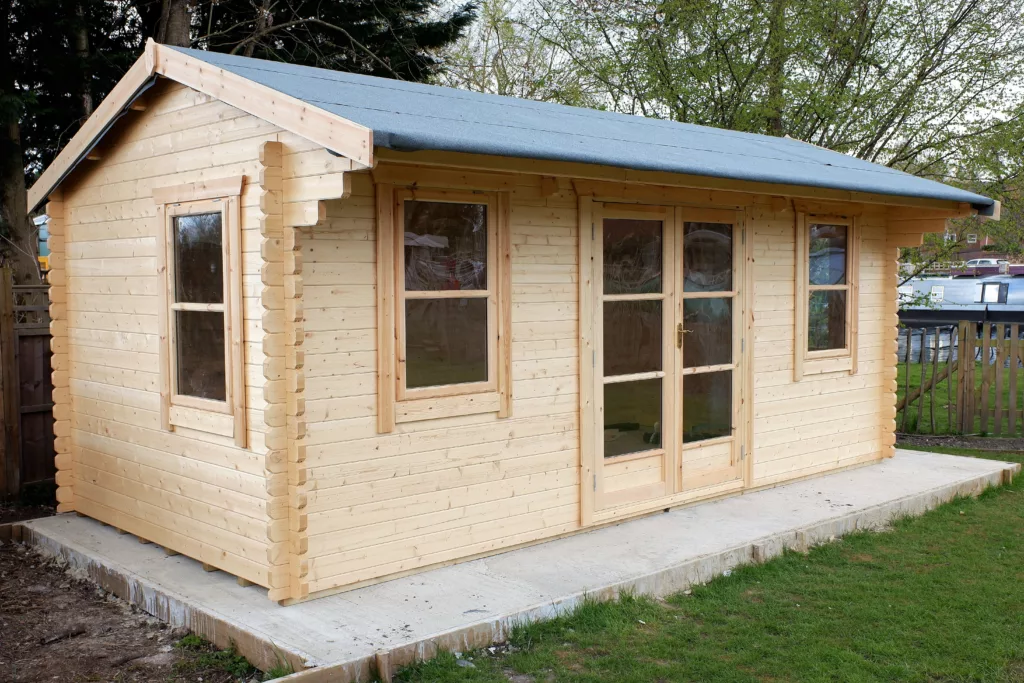
A Solid Start for a Lasting Structure
The foundation prevents rot, warping, and structural failure, serving as the unsung hero of any outdoor building project. Whether utilizing a crushed stone pad for superior drainage or a concrete slab for heavy-duty support, the quality of the base dictates the lifespan of the shed. Neglecting this crucial step invites moisture damage and instability that will inevitably compromise the utility of the storage space.
Spending a little time and budget on the storage shed foundation now saves significant repair costs down the road. It is the most cost-effective insurance policy available for an outdoor structure, ensuring that doors always open smoothly and floors remain solid underfoot. Homeowners who prioritize the foundation are rewarded with a durable, functional building that adds value to the property rather than becoming a maintenance burden.
Ensure the new shed stands on solid ground by contacting Firm Foundations LLC to schedule site preparation today. A professional team is ready to assess the site, recommend the best foundation solution, and execute the installation with precision and care. Do not leave the stability of a new investment to chance; build it right from the ground up.
Firm Foundations LLC
https://maps.app.goo.gl/Uf6XdgtpBTETgNrr7
1535 White School Rd, Honey Brook, PA 19344, United States
(717) 716-7267
https://shedpads.com/