
Storage Shed Floor
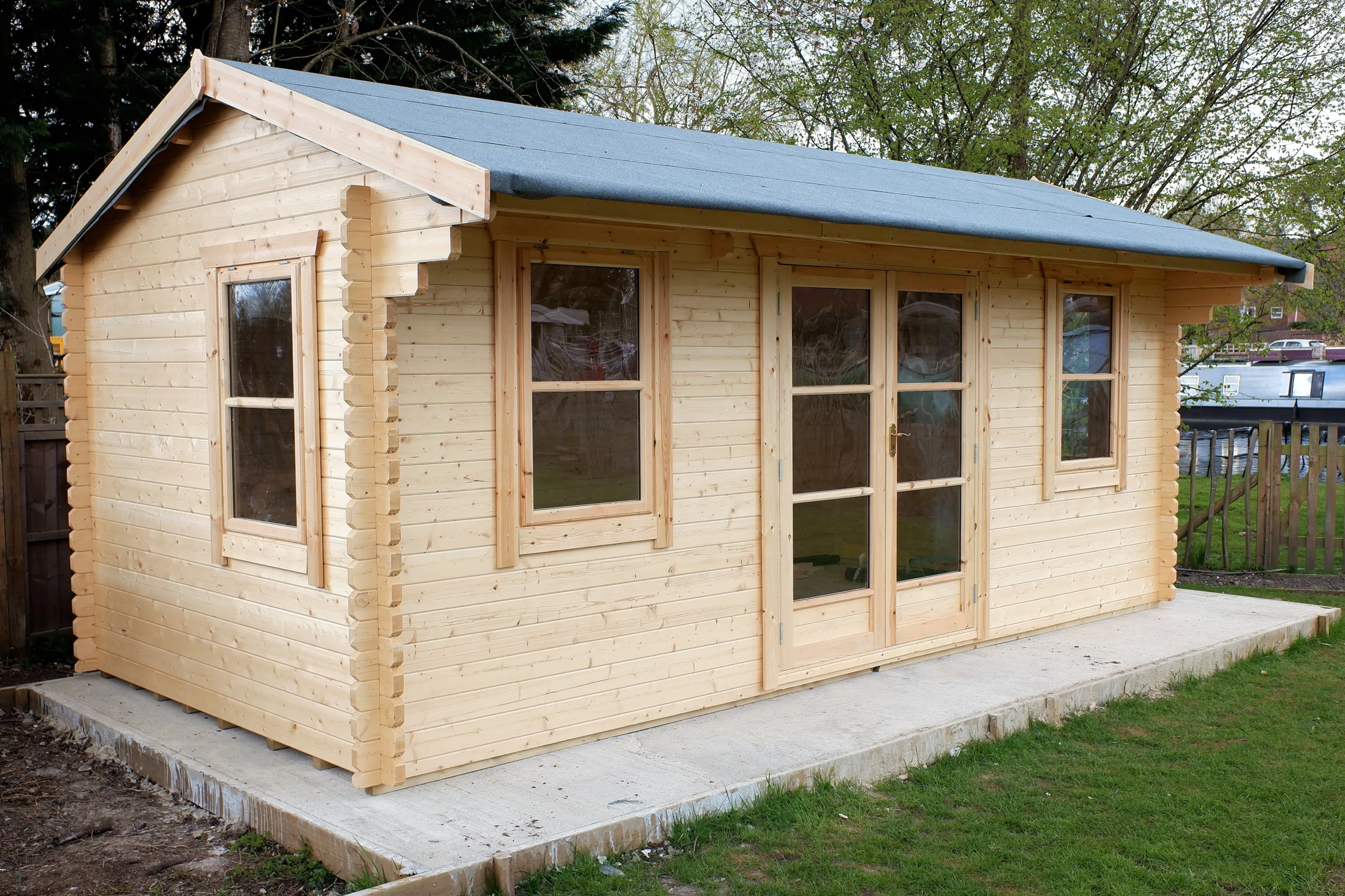
Storage Shed Floor: Which Material Works Best for Your Shed?
A storage shed is only as strong as its foundation, and the floor serves as the critical interface between the ground and your valuable possessions. While walls and roofing often get the most attention during the design phase, the flooring material dictates the structure’s longevity, load-bearing capacity, and resistance to environmental threats like moisture and pests. A poorly chosen floor can lead to warping, rot, and structural failure, whereas the right material ensures decades of reliable service.
Selecting the optimal flooring requires a careful evaluation of several distinct factors, including the intended use of the shed, the local climate, and the available budget. Heavy machinery requires a different support system than simple garden tools, just as a shed in a humid region requires different moisture barriers than one in a dry climate. Understanding these variables prevents costly repairs down the road and ensures the investment remains sound.
This guide explores the various storage shed floor options available on the market, ranging from traditional wood to modern composites and heavy-duty concrete. It details the installation nuances of each material, outlines common mistakes to avoid, and explains why Firm Foundations LLC stands out as a premier provider for these structural necessities.
Top Material Options for Storage Shed Floors
Pressure-Treated Plywood
Pressure-treated plywood remains one of the most popular choices for shed flooring due to its balance of affordability and performance. This material is chemically treated to resist rot, decay, and termite infestations, making it suitable for sheds built in areas with high humidity or ground contact. It provides a relatively smooth surface that is easy to install and replace if necessary, offering a practical solution for general storage needs where extreme weight is not a primary concern.
Concrete Slabs
For homeowners seeking maximum durability and permanence, a concrete slab acts as both the foundation and the floor. This option is virtually impervious to rot and pests and can support significant weight, making it the ideal choice for storing heavy equipment like tractors, motorcycles, or large woodworking machinery. While the initial installation is more labor-intensive and costly than wood, a concrete floor offers unparalleled longevity and stability, eliminating the bounce or flex associated with suspended floors.
Composite Decking
Composite decking offers a modern, eco-friendly alternative that blends wood fibers with recycled plastics to create a highly durable surface. This material is resistant to moisture, rot, and insect damage, and unlike traditional wood, it does not require sanding, staining, or sealing to maintain its appearance. Although it comes at a higher price point, the low maintenance requirements and long lifespan make composite decking an attractive option for those prioritizing aesthetics and ease of care.
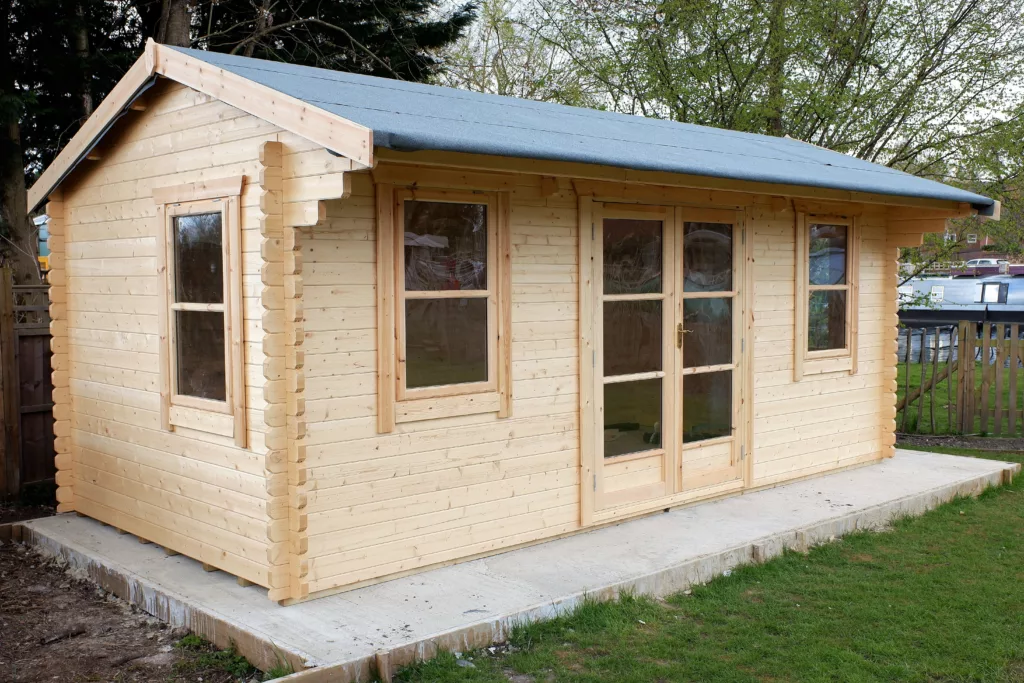
How to Choose the Right Shed Floor Material for Your Needs
Assessing Your Shed’s Purpose
The intended use of the structure is the primary dictator of the flooring material. If the shed will house heavy items such as riding lawn mowers, ATVs, or workshop equipment, a reinforced concrete slab or high-grade pressure-treated plywood with close joist spacing is essential to prevent sagging. Conversely, for lighter storage needs like potting soil, rakes, and seasonal decorations, standard plywood or even OSB (Oriented Strand Board) may suffice, provided it is kept dry.
Considering Climate and Weather
Local weather patterns play a significant role in determining how well a floor will hold up over time. In regions with frequent rainfall or high humidity, moisture-resistant materials like pressure-treated lumber, concrete, or composite decking are crucial to prevent warping and mold growth. Areas that experience freeze-thaw cycles require a stable foundation and flexible or extremely rigid flooring materials to withstand the ground movement without cracking or buckling.
Balancing Budget and Longevity
Finding a cost-effective solution involves looking beyond the initial price tag to consider the long-term value. While untreated plywood is the cheapest upfront option, it often requires frequent replacement due to moisture damage, costing more in the long run. Investing in higher-quality materials like pressure-treated wood or concrete may require a larger initial outlay but pays dividends through reduced maintenance costs and an extended lifespan for the entire structure.
The Installation Process for Different Shed Floor Materials
Preparing the Groundwork
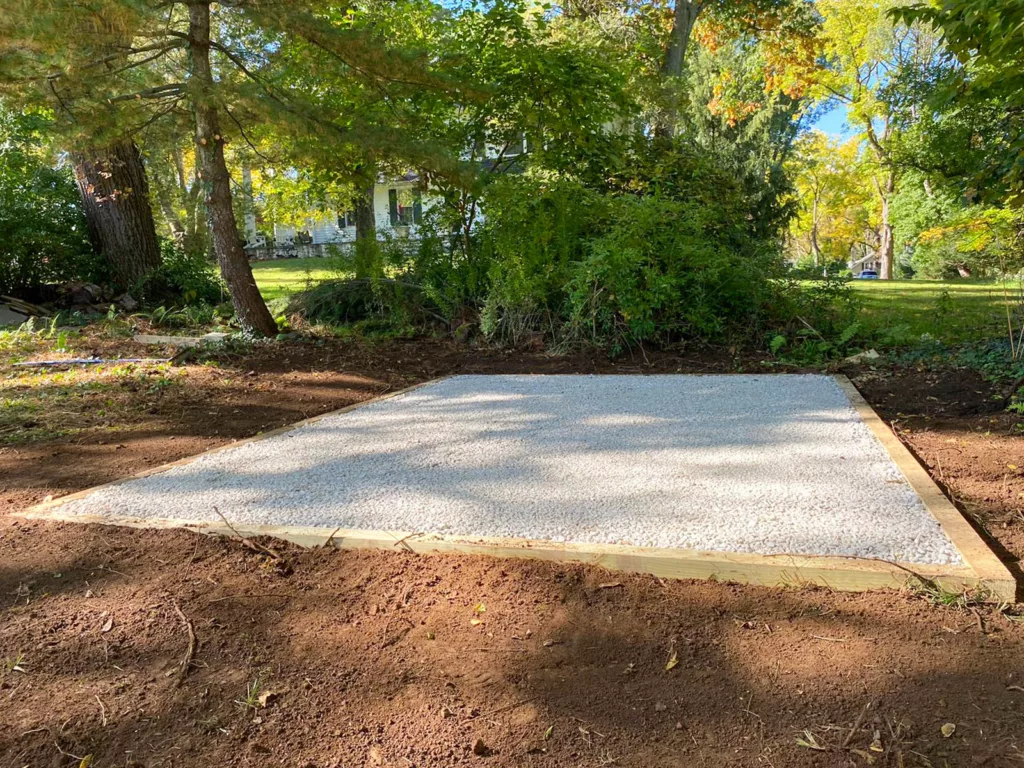
A stable floor requires a level and compacted base to prevent shifting and settling over time. This stage typically involves excavating the topsoil and installing a layer of crushed stone to facilitate drainage and provide a solid footing. Homeowners often search for “gravel driveway contractors near me” to assist with this crucial site preparation, as professionals skilled in gravel work understand the mechanics of creating a level, drainage-promoting foundation that is essential for shed stability.
Material-Specific Installation Tips
The installation technique varies significantly depending on the chosen material. For plywood floors, sheets must be staggered and fastened securely to the floor joists with screws rather than nails to prevent squeaking and lifting. Concrete installations require building a wooden form, installing rebar for reinforcement, and pouring the mix carefully to ensure a smooth, level finish that cures properly without cracking.
Finishing Touches for Durability
Once the primary flooring material is installed, applying protective finishes can significantly extend its service life. For wood floors, a high-quality exterior paint or sealant helps lock out moisture and protect against wear from foot traffic. Concrete floors benefit from an epoxy coating or penetrating sealer, which not only prevents staining from oil and chemicals but also reduces dust and makes sweeping and cleaning much easier.
Common Mistakes to Avoid When Building a Shed Floor
Skipping Proper Ground Preparation
One of the most frequent errors in shed construction is building the floor directly on uneven or soft ground without a proper base. This oversight inevitably leads to the structure settling unevenly, which causes doors to bind, windows to crack, and the floor itself to warp or break. Investing time in leveling the site and installing a proper gravel pad or concrete piers provides the stability necessary for a long-lasting structure.
Choosing the Wrong Material
Selecting a flooring material based solely on cost or aesthetics without considering the shed’s function often leads to disappointment and structural failure. Installing a standard plywood floor for a shed intended to house a heavy tractor will likely result in the wood cracking or bowing under the weight.
Ignoring Maintenance Needs
Assuming that a shed floor is a “set it and forget it” component is a mistake that accelerates deterioration. Even the most durable materials require some level of attention, such as sweeping out debris that traps moisture or reapplying sealant to wood surfaces. Neglecting these small maintenance tasks allows minor issues, like small leaks or pest intrusion, to escalate into major structural problems that compromise the integrity of the entire shed.
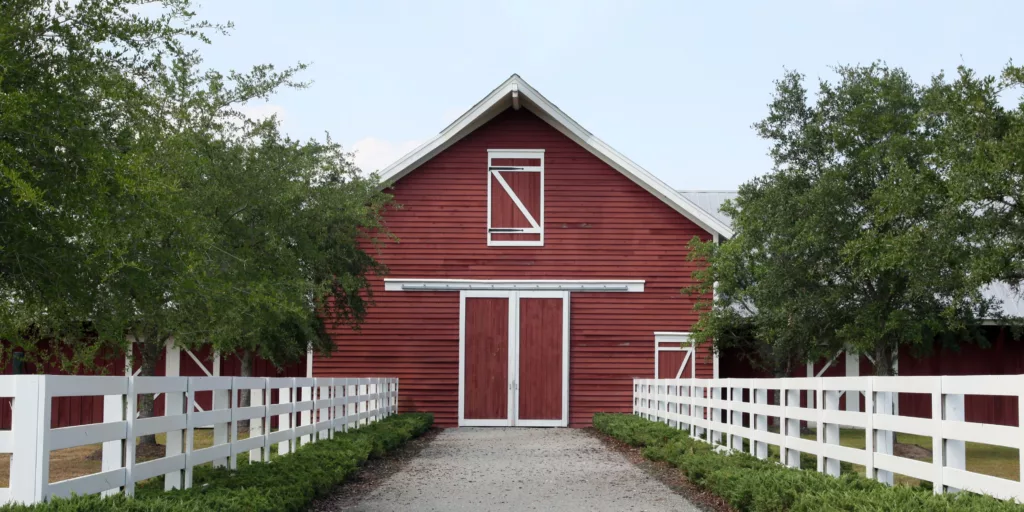
Why Firm Foundations LLC Is the Best Choice for Shed Flooring
Expertise in Custom Solutions
Firm Foundations LLC approaches every project with the understanding that no two storage needs are exactly alike. The team assesses the specific requirements of the site and the intended use of the shed to recommend and implement the most suitable flooring system. This tailored approach ensures that whether the project requires a heavy-duty concrete slab or a raised pressure-treated wood platform, the solution is engineered for optimal performance.
Commitment to Quality Materials
Durability starts with the raw materials, and Firm Foundations LLC refuses to cut corners with inferior products. By sourcing high-grade pressure-treated lumber, premium concrete mixes, and top-tier composite decking, the company ensures that every floor installation is built to withstand the elements and heavy use.
Customer Satisfaction Guarantee
The reputation of Firm Foundations LLC is built on a history of successful projects and satisfied clients who trust the company’s workmanship. Detailed testimonials highlight the team’s professionalism, punctuality, and attention to detail, providing peace of mind to new customers.
Maintaining Your Shed Floor for Long-Term Performance
Regular Cleaning and Inspections
Keeping the shed floor clean is the simplest way to prolong its life. Dirt, leaves, and other debris can trap moisture against the floor surface, accelerating rot in wood and staining concrete. A regular sweeping schedule, combined with periodic inspections for soft spots, cracks, or signs of insect activity, allows for early intervention before minor issues become costly repairs.
Protecting Against Moisture and Pests
Moisture is the enemy of most flooring materials, so maintaining an effective barrier is essential. Ensuring that the shed has adequate ventilation prevents condensation buildup, while maintaining the exterior grade ensures water drains away from the foundation.
Seasonal Maintenance Tips
Different seasons bring unique challenges that require specific preparation. Before winter arrives, it is wise to seal any cracks in concrete to prevent damage from freezing water and to ensure that wood floors are fully dry and protected. In the spring and summer, checking for adequate airflow underneath raised floors and clearing vegetation from around the perimeter helps keep the structure dry and discourages pests from nesting near the foundation.
Eco-Friendly Shed Flooring Options to Consider
Recycled Materials
For environmentally conscious builders, flooring made from recycled materials offers a sustainable path without sacrificing durability. Reclaimed wood brings character and history to a shed while keeping lumber out of landfills, provided it is properly treated and sealed. Recycled plastic lumber is another robust option that is impervious to rot and insects, providing a long-lasting surface that repurposes waste into a functional building material.
Sustainable Concrete Alternatives
Concrete production typically has a high carbon footprint, but newer, greener alternatives are becoming available. These eco-friendly mixes often replace a portion of the Portland cement with industrial byproducts like fly ash or slag, which reduces the environmental impact while maintaining structural integrity.
Natural Wood Choices
Selecting wood from responsibly managed forests ensures that the shed flooring is both natural and sustainable. Lumber certified by the Forest Stewardship Council (FSC) guarantees that the wood was harvested in a way that protects biodiversity and supports local communities. Species like cedar and redwood offer natural resistance to decay and insects, reducing the need for harsh chemical treatments while providing a durable and biodegradable flooring solution.
Conclusion
The foundation of a reliable storage shed lies in choosing the correct flooring material, a decision that hinges on durability, climate, and intended use. From the heavy-duty resilience of concrete to the cost-effectiveness of pressure-treated plywood and the low maintenance of composite decking, each option offers distinct advantages. Proper ground preparation and professional installation are equally critical in ensuring the floor remains stable and functional for the long haul.
For those seeking a partner in building a lasting foundation, Firm Foundations LLC offers the expertise and quality assurance needed for a superior result. Contact Firm Foundations LLC today to discuss specific shed flooring needs and receive expert guidance on the best materials and installation methods. A professional consultation is the first step toward a storage solution that stands the test of time.
A shed is an investment in organization and property value, but its utility is entirely dependent on the ground it stands on. By prioritizing a high-quality floor and committing to regular maintenance, homeowners ensure their shed remains a safe, dry, and sturdy sanctuary for their belongings for years to come.
https://maps.app.goo.gl/Uf6XdgtpBTETgNrr7
1535 White School Rd, Honey Brook, PA 19344, United States
(717) 716-7267
https://shedpads.com/