
Shed and Base
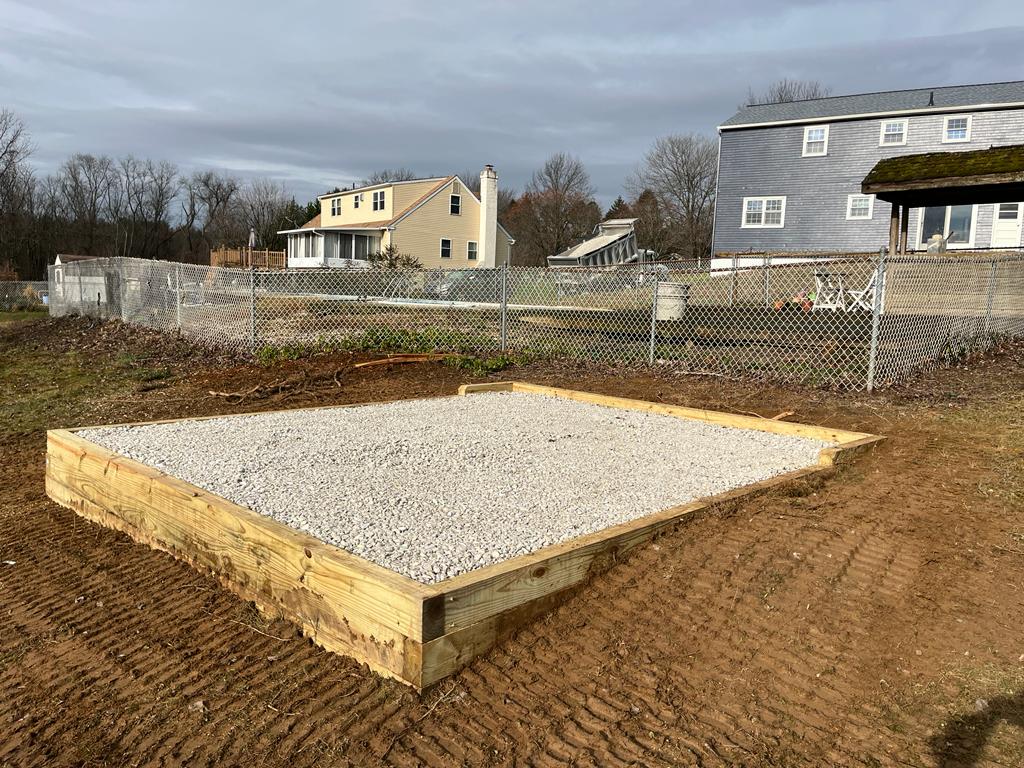
The Foundation of Success: Why Your Shed and Base Matters
When planning a new outdoor structure, the focus naturally drifts toward the design, color, and size of the building itself. You might spend hours selecting the perfect window placement, comparing roofing materials, or dreaming about how you will organize your new workshop or garden storage. The visible parts of the project get all the attention. Yet, the most critical component of your new structure is the one you will barely see once the job is done.
A high-quality shed and base is the silent anchor of any outdoor building. Without it, even the most expensive, beautifully crafted timber or metal structure will quickly succumb to the elements. Ground movement, moisture seeping up from the soil, and uneven weight distribution can ruin your investment in a matter of months.
That is where expertise becomes essential. As a specialized construction company, Firm Foundation understands exactly what it takes to prepare the ground for success. We focus exclusively on creating durable, high-quality bases that ensure your outdoor buildings stand the test of time.
Why the Shed Base is Crucial
Gravity and weather are relentless forces. When you place a heavy structure on the ground, it immediately begins to interact with the earth beneath it. If that earth is unprepared, the results can be disastrous for your building. The primary role of a base is to create a flat, rigid, and well-draining barrier between the ground and your structure.
When a base is poorly constructed or missing entirely, the structure will settle unevenly. This shifting causes the walls to twist. Suddenly, you will find that doors scrape against the floor or refuse to latch. Windows might crack from the pressure of the warping frame. The roof can develop sags, which leads to pooling water and eventual leaks.
Moisture is another silent enemy. Soil holds water, and if timber rests directly on damp ground, rot will set in rapidly. Metal structures are not immune either, as constant exposure to ground moisture accelerates rust and corrosion. A proper base elevates the structure, facilitating airflow underneath and preventing water ingress. By investing in proper ground preparation, you protect the entire building from premature decay and structural failure.
Types of Shed Bases
There is no single solution that works for every property. The right choice depends on your budget, the size of your building, and the specific conditions of your yard. Here is an overview of the most common materials used for base construction.
Concrete Slabs
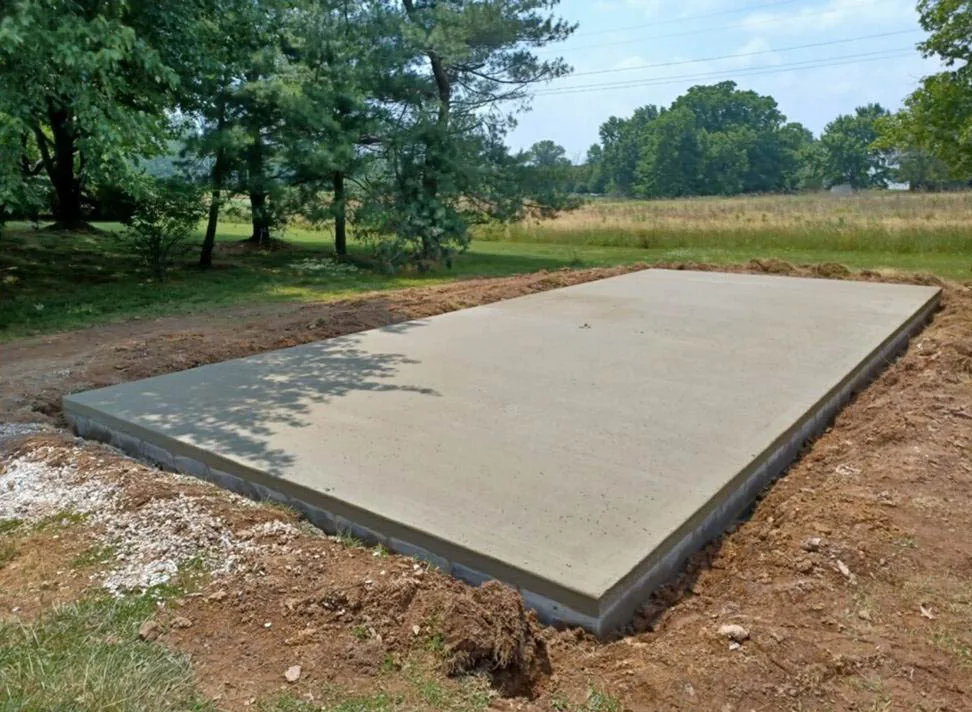
A concrete slab is the gold standard for heavy-duty structures. This involves excavating the area, laying a sub-base of hardcore, building wooden formwork, and pouring wet concrete to create a perfectly level, solid pad.
The main advantage of a concrete slab is its immense strength. It can support massive weight, making it ideal for garages, large workshops, or buildings holding heavy machinery. It is highly durable and virtually maintenance-free. On the downside, concrete requires significant labor, specialized equipment, and favorable weather conditions to cure properly. It is also the most permanent option, which means removing it later will be a major undertaking.
Paving Slabs
Paving slabs offer a sturdy and attractive alternative to poured concrete. This method involves laying heavy concrete or stone pavers over a leveled bed of sand and gravel.
Paving slabs are highly versatile. They can be laid in various patterns and are generally easier to install than a full concrete pour. They distribute weight well and provide an excellent, solid footprint for small to medium-sized structures. However, if the ground beneath them is not properly compacted and leveled, individual slabs can sink or tilt over time. Weeds can also grow between the joints if a proper weed membrane is not installed.
Gravel Bases
A gravel base, sometimes referred to as a crushed stone pad, consists of a timber perimeter filled with compacted, angular gravel.
This type of base provides unparalleled drainage. Water flows straight through the stones and away from the wooden floor bearers of your building, keeping everything dry. It is highly cost-effective and can be built relatively quickly. The main drawback is that it may not be suitable for incredibly heavy buildings that require a solid, unified anchor point.
Choosing the right material can be overwhelming. Firm Foundation helps you navigate these options by assessing your yard and recommending the exact type of base that fits your specific needs.
Key Factors to Consider Before Building a Shed Base
Building a great base requires careful planning. A construction company must evaluate several environmental and structural factors before moving a single shovel of dirt.
Site Preparation and Leveling
The ground is rarely as flat as it looks to the naked eye. Proper site preparation requires identifying the highest and lowest points of the designated area. Ignoring a slight slope will result in water pooling against the structure or the building leaning to one side. True leveling requires precise measurements, professional grading equipment, and careful excavation to create a perfectly horizontal plane.
Soil Type and Drainage Considerations
Different soils react to moisture in different ways. Clay-heavy soil holds water and expands, which can cause the ground to heave during freezing temperatures. Sandy soil drains well but can shift easily if not properly contained. Understanding the soil composition helps determine how much sub-base material is needed and whether additional drainage solutions, like French drains, must be installed around the perimeter.
Shed Size and Weight Requirements
A small storage box for gardening tools exerts vastly different pressure on the ground than a multi-room workshop filled with power tools. The footprint and the intended use of the building dictate the depth of the excavation, the thickness of the base material, and the required load-bearing capacity. Firm Foundation meticulously evaluates these factors, ensuring the final product will easily support your structure at maximum capacity.
Common Pitfalls to Avoid
Many homeowners attempt DIY base construction or hire inexperienced contractors, only to face serious problems down the road.
One of the most frequent mistakes is failing to remove the topsoil. Topsoil is soft, full of organic matter, and compresses easily under weight. Building directly on topsoil guarantees that the structure will sink. Another common error is inadequate drainage planning. If a base is built at the bottom of a sloped yard without rerouting the water runoff, the structure will flood during heavy rainstorms.
Using the wrong materials is also a frequent issue. Pea gravel, for instance, consists of smooth, round stones that shift under weight, acting much like ball bearings. A proper base requires angular, crushed stone that locks together when compacted. Firm Foundation has stepped in on countless occasions to correct these exact issues for clients, tearing out sinking, inadequate foundations and replacing them with professional-grade groundworks.
The Firm Foundation Difference
When you hire a professional construction company for your ground preparation, you are paying for peace of mind. Firm Foundation brings years of specialized experience to every project. We do not treat the base as an afterthought; we treat it as the most critical phase of the entire build.
Our team understands the complex interplay between soil mechanics, weight distribution, and local weather patterns. We use commercial-grade equipment to ensure precise excavation and compaction. Furthermore, our commitment to customer satisfaction means we communicate clearly throughout the project, arrive on time, and leave your property clean and tidy. We take pride in building foundations that you will never have to worry about again.
Step-by-Step Process of Building a Shed Base
Understanding how a professional base is constructed helps highlight the value of doing the job right. Here is a look at the typical process we follow from start to finish.
1. Consultation and Site Assessment
Every project begins with a detailed site visit. We measure the area, check for underground utilities, evaluate the soil type, and discuss the specifications of your incoming structure. This allows us to recommend the best materials and provide an accurate quote.
2. Excavation and Ground Clearing
Once the design is finalized, our crew marks out the area. We excavate the ground, removing all turf, soft topsoil, and organic debris. We dig down to a solid, stable layer of earth, creating a recessed footprint for the base materials.
3. Laying the Sub-Base
A high-quality weed membrane is laid across the excavated area to prevent unwanted plant growth. We then pour a layer of hardcore (crushed rock or MOT Type 1). This layer is aggressively compacted using a heavy plate compactor. This sub-base provides the structural integrity needed to support the final surface.
4. Installing the Primary Material
If we are building a concrete slab, we construct rigid timber formwork around the perimeter, lay steel reinforcing mesh if required, and pour the concrete. We then use specialized tools to screed and float the surface, ensuring a perfectly smooth and level finish. If we are installing paving slabs or a gravel base, we add a leveling layer of sharp sand or compacted aggregate, carefully placing and locking the final materials into place.
5. Finishing and Curing
For concrete, the pad requires time to cure properly before any weight can be applied. We provide specific instructions on curing times based on the weather conditions. For other materials, we conduct a final laser-level check, clean the surrounding work area, and hand the site back to the homeowner, fully ready for the building installation.
Long-Term Benefits of a Solid Shed Base
Taking the time to construct a proper base yields immediate and long-lasting rewards. First and foremost, it protects your financial investment. Outdoor buildings are expensive. Ensuring that your structure sits on a rigid, dry platform extends its lifespan by decades.
A solid base also guarantees the functionality of the building. You will never have to struggle with jammed doors or cracked windows caused by structural twisting. Shelving will remain perfectly level, and workbenches will not wobble.
Furthermore, a well-constructed base helps keep pests at bay. Elevated structures with clean, gravel or concrete perimeters discourage rodents from burrowing underneath. By eliminating damp, decaying wood near the ground level, you also reduce the risk of termite and carpenter ant infestations. Ultimately, a great base transforms a simple garden building into a permanent, reliable asset for your property.

Build a Base That Lasts
The success of your new outdoor building relies entirely on the ground it sits on. Cutting corners during the preparation phase will only lead to expensive repairs, structural damage, and endless frustration. By prioritizing a level, well-draining, and robust foundation, you guarantee that your building will perform exactly as intended for years to come.
Do not leave your upcoming project to chance. Trust a specialized construction company to handle the heavy lifting. Firm Foundation has the expertise, the equipment, and the dedication to provide the perfect starting point for your new structure. Contact Firm Foundation today for a consultation, and let us build the solid ground your project deserves.
Firm Foundations LLC
https://maps.app.goo.gl/Uf6XdgtpBTETgNrr7
1535 White School Rd, Honey Brook, PA 19344, United States
(717) 716-7267
https://shedpads.com/