
How to Fix a Shed Installed on Uneven Pavers
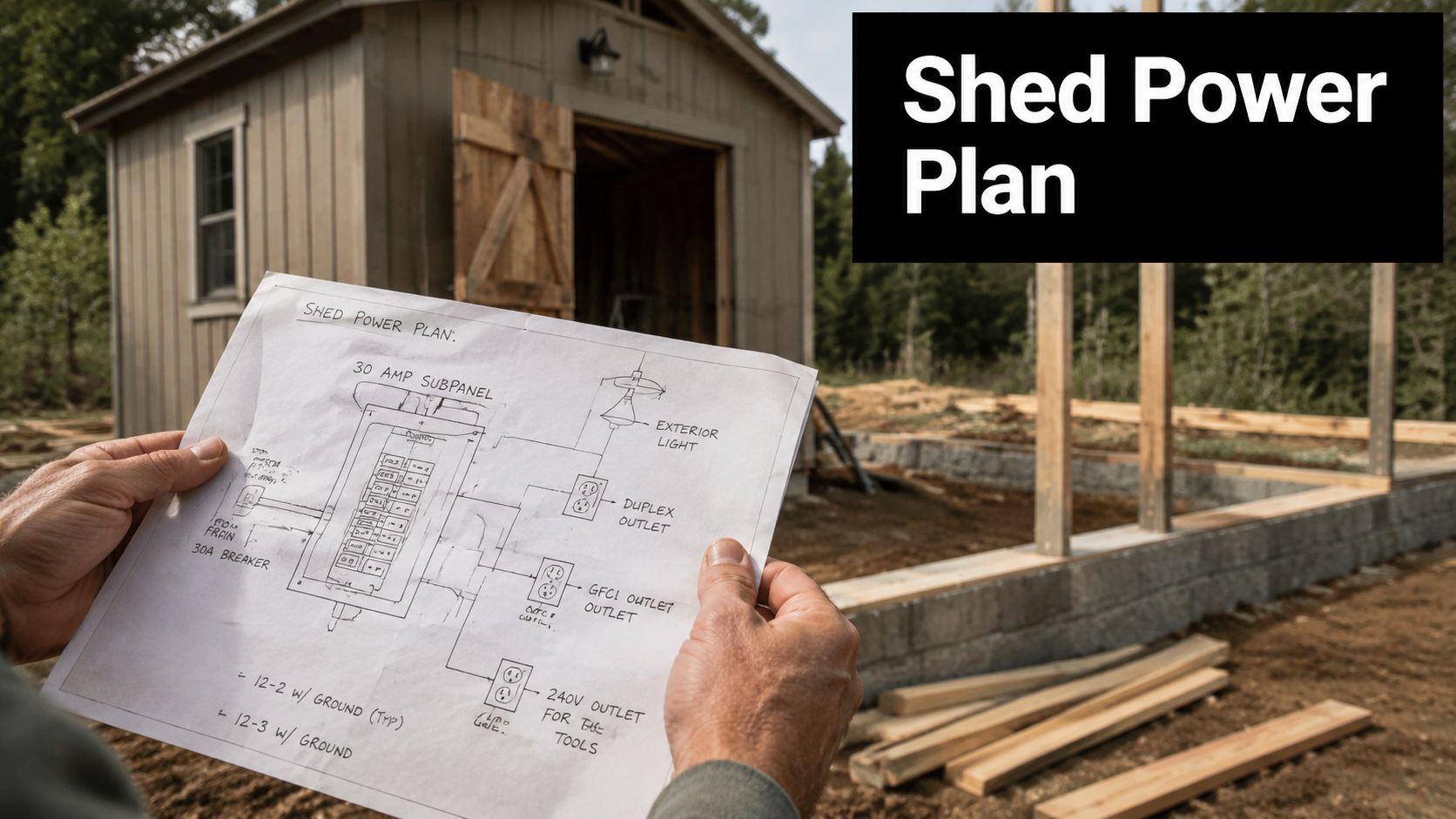
How to Fix a Shed Installed on Uneven Pavers
Pavers can look like a convenient foundation for a backyard shed. They are readily available, relatively inexpensive, and easy to place on the ground. The problem is that individual pavers rarely provide the consistent support a shed needs over the long term.
When the soil beneath the pavers settles, washes out, freezes, or shifts, the pavers can move independently. One corner may sink while another remains in place. Before long, the shed may lean, doors may stick, and the floor may feel uneven.
A shed installed on uneven pavers should not be ignored. Small leveling problems often become more serious as the structure continues to settle. The right repair depends on the shed’s condition, the amount of movement, and what is happening beneath the pavers.
Signs That Your Shed Foundation Is Uneven
A shed does not have to look dramatically tilted to have a foundation problem. In many cases, the first warning signs appear when you use the building.
You may notice that the doors no longer close properly or swing open on their own. Windows may become difficult to operate. Equipment may roll toward one side of the floor, or shelving may begin to look crooked.
Other common signs include:
- Visible gaps beneath the shed runners
- Cracked, tilted, or sunken pavers
- Water collecting along one side of the building
- A soft or springy section of flooring
- Separation between trim, walls, or framing components
- A shed that appears lower on one corner
These symptoms suggest that the shed is no longer receiving even support. The sooner the cause is addressed, the easier it may be to prevent damage to the structure.
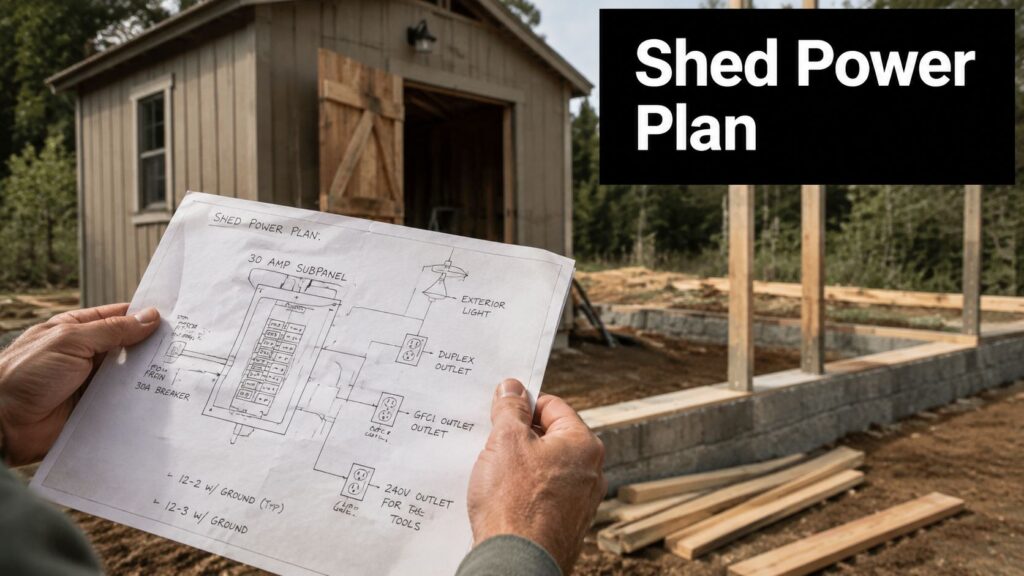
Why Pavers Become Uneven
The pavers themselves are not always the main problem. In most cases, movement begins with the soil underneath them.
If pavers were placed directly on grass or loose topsoil, the organic material beneath them may decompose and compress. Rainwater can also soften the soil or wash material away from one side of the foundation.
Seasonal weather creates additional movement. Water in the ground can freeze and expand during winter, lifting some pavers. When the ground thaws, those same areas may settle at different rates.
Tree roots, poor drainage, burrowing animals, and the weight of the shed can also contribute to unevenness. Because each paver acts as a separate support point, even minor soil movement can affect the building above it.
Simply adding another paver beneath a low corner may make the shed appear level temporarily, but it does not correct the unstable base.
Begin With a Careful Inspection
Before attempting a repair, remove heavy equipment, tools, shelving contents, and other stored items from the shed. Reducing the weight makes the building easier to evaluate and limits stress on the floor while repairs are underway.
Next, inspect the shed from every side. Look for signs of rot, broken floor joists, damaged runners, or framing that has already twisted. A foundation correction will not repair wood that has deteriorated from prolonged moisture exposure.
Use a long carpenter’s level or laser level to determine how far the building has moved. Check the front, back, sides, and floor. Measure the difference between the highest and lowest areas rather than estimating by appearance.
The surrounding yard should also be inspected. Look for low spots, erosion, downspouts aimed toward the shed, or roof runoff that repeatedly lands beside the pavers. Unless these drainage issues are corrected, the repaired foundation may begin shifting again.
Can the Existing Pavers Be Releveled?
In a very small, lightweight shed with only minor movement, it may be possible to lift the structure and reset the pavers. This is generally a temporary or limited repair rather than the best long-term solution.
The shed must be raised carefully and evenly using equipment appropriate for its size and weight. Lifting only one corner too quickly can twist the frame, damage the floor, or cause the shed to slip.
Once the building is safely supported, the pavers can be removed. The soil beneath them should be excavated, stabilized, and compacted. A proper aggregate base may then be installed before the pavers are reset and leveled.
However, the repaired area is still made up of individual support points. If the pavers are not placed on a fully prepared and compacted base, they may move again. Larger sheds, sheds holding heavy equipment, and buildings that have already settled significantly usually need a more dependable foundation.
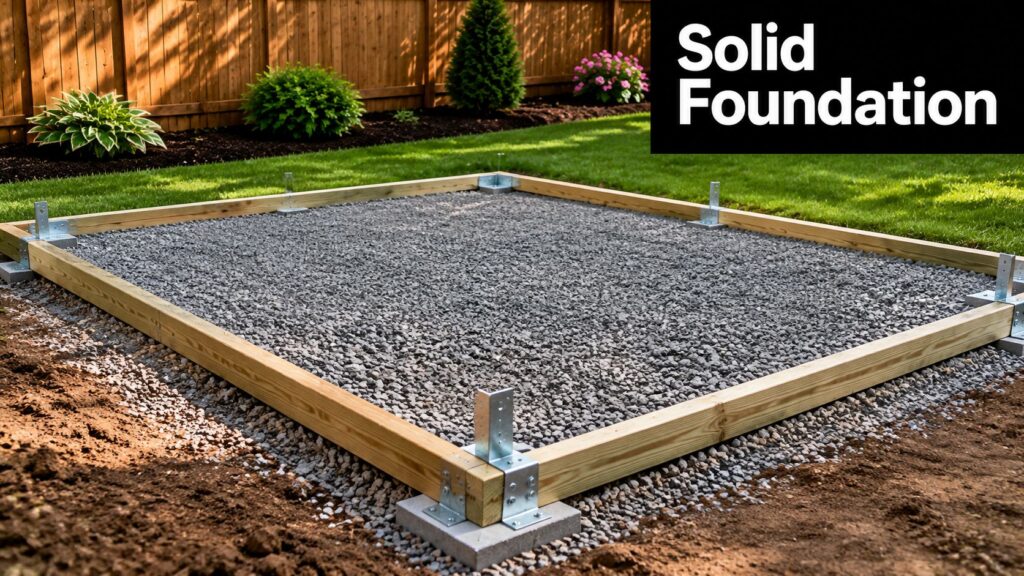
Replace Uneven Pavers With a Gravel Pad
For many garden sheds and storage buildings, replacing the pavers with a professionally installed gravel pad is the most practical long-term correction.
A gravel pad provides continuous support across the entire foundation area instead of relying on a handful of separate blocks. Clean stone also allows water to drain away from the underside of the building rather than remaining trapped against the shed’s runners and floor system.
At Firm Foundations, gravel pad installation includes preparing and grading the site, installing anchored 4-by-6 perimeter timbers, securing the corners, and filling the area with 3/4-inch clean stone. The stone is leveled to create a stable surface for the structure.
We generally recommend making the pad two feet wider and two feet longer than the shed. A 10-by-16 shed, for example, would typically receive a 12-by-18 gravel pad.
The additional stone around the perimeter helps manage runoff, limits mud and vegetation near the building, and gives the entire structure a more finished appearance.
When a Concrete Foundation Is Appropriate
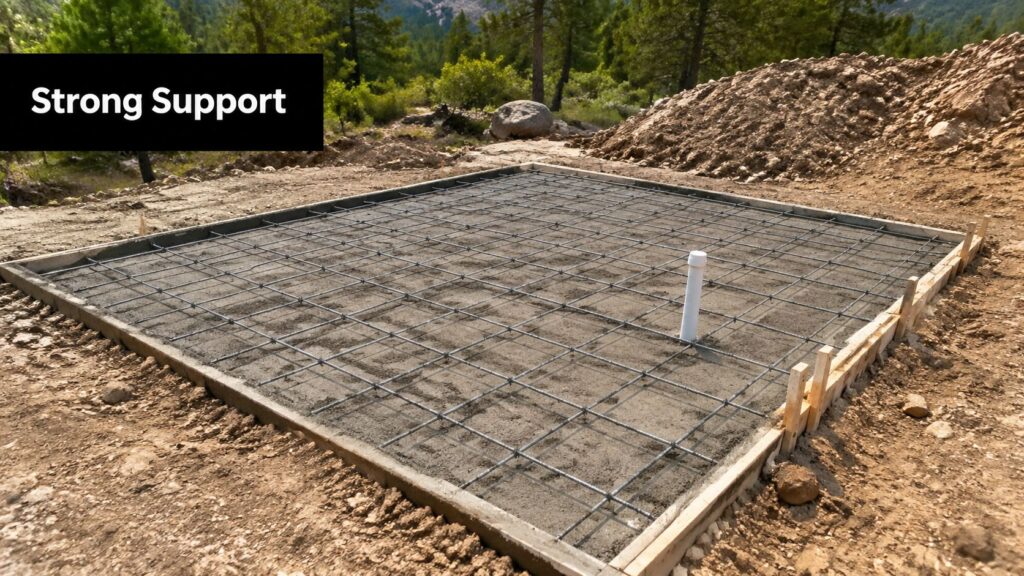
Concrete may be considered when the shed is unusually large, will support heavy machinery, or is intended to function as a permanent workshop or similar space.
The building manufacturer’s requirements should be checked before choosing concrete. Some sheds are designed to sit on runners over compacted gravel and may not be intended for direct placement on a slab.
A concrete foundation also requires careful site planning. Excavation, grading, drainage, reinforcement, slab thickness, and local building requirements may all affect the project.
Firm Foundations installs both gravel pads and concrete foundations, allowing the foundation type to be matched to the structure and property rather than relying on a one-size-fits-all solution.
Moving the Shed During Foundation Repairs
In some cases, the shed can be lifted and temporarily supported while the old pavers are removed and the new pad is constructed. Other situations may require the building to be moved away from the site.
The best method depends on the shed’s size, construction, access, and current condition. There must be enough room for the necessary equipment, and the structure must be strong enough to tolerate lifting or relocation.
This is one reason it is helpful to have the site evaluated before beginning work. A professional can determine whether the shed can remain nearby, how the foundation area should be accessed, and whether excavation is needed to correct the grade.
The goal is not only to make the shed level again. It is to create a stable base without damaging the building during the process.
Correct the Drainage Before Reinstalling the Shed
A newly installed foundation will perform best when water is directed away from it.
The site should not be located in a natural drainage channel or low point if that can be avoided. Soil around the pad may need to be graded so surface water moves away from the shed. Downspouts should discharge somewhere that will not erode the pad or saturate the soil beside it.
Avoid building up mulch, topsoil, or leaves around the perimeter timbers. These materials can hold moisture against the wood and interfere with drainage.
Firm Foundations provides excavation and grading services for projects that require more extensive site preparation. Addressing the surrounding ground conditions is often just as important as leveling the pad itself.
Avoid Quick Fixes That Can Damage the Shed
It may be tempting to force wood scraps, bricks, concrete pieces, or additional pavers under a low corner. These materials can create concentrated pressure points beneath the shed.
As the building continues to move, the temporary supports may shift or press into the floor framing. They can also trap moisture and make the structure more difficult to level correctly later.
Another common mistake is attempting to lift a loaded shed. The extra weight makes the structure harder to control and increases the risk of floor or framing damage.
A lasting repair should provide even support, adequate drainage, and a stable surface beneath the complete footprint of the building.
Protecting the Shed After the Repair
After the placement of shed on its new foundation, check that it is level and that all doors and windows operate properly. Any ramp or step should be adjusted to match the corrected height of the building.
Inspect the pad periodically, particularly after heavy rain or winter freeze-thaw cycles. Keep the perimeter clear of debris and watch for erosion or unusual water flow.
Firm Foundations offers a 10-year limited warranty on the wood perimeter of qualifying stone pads against rot and decay, subject to the warranty’s terms and maintenance requirements. Applying a suitable protective stain or paint to the perimeter timbers as recommended can help preserve them.
Give the Shed the Support It Should Have Had From the Start
Uneven pavers are usually a symptom of inadequate site preparation, unstable soil, or poor drainage. Resetting individual pavers may provide a temporary improvement, but it often leaves the original foundation weakness in place.
Replacing the pavers with a properly graded gravel pad or an appropriate concrete foundation gives the shed consistent support throughout the year. It can improve drainage, restore normal door operation, and help prevent further twisting or settling.
Firm Foundations has installed gravel pads, concrete foundations, and prepared building sites since 2011. We serve homeowners, shed builders, and property owners within approximately 90 miles of Honey Brook, Pennsylvania, including communities throughout Pennsylvania, Maryland, Delaware, and New Jersey.
Before uneven pavers cause additional damage, request a free quote to have the site evaluated and discuss the right foundation for your shed.
Firm Foundations LLC
https://maps.app.goo.gl/Uf6XdgtpBTETgNrr7
1535 White School Rd, Honey Brook, PA 19344, United States
(717) 716-7267
https://shedpads.com/