
House Foundation Types
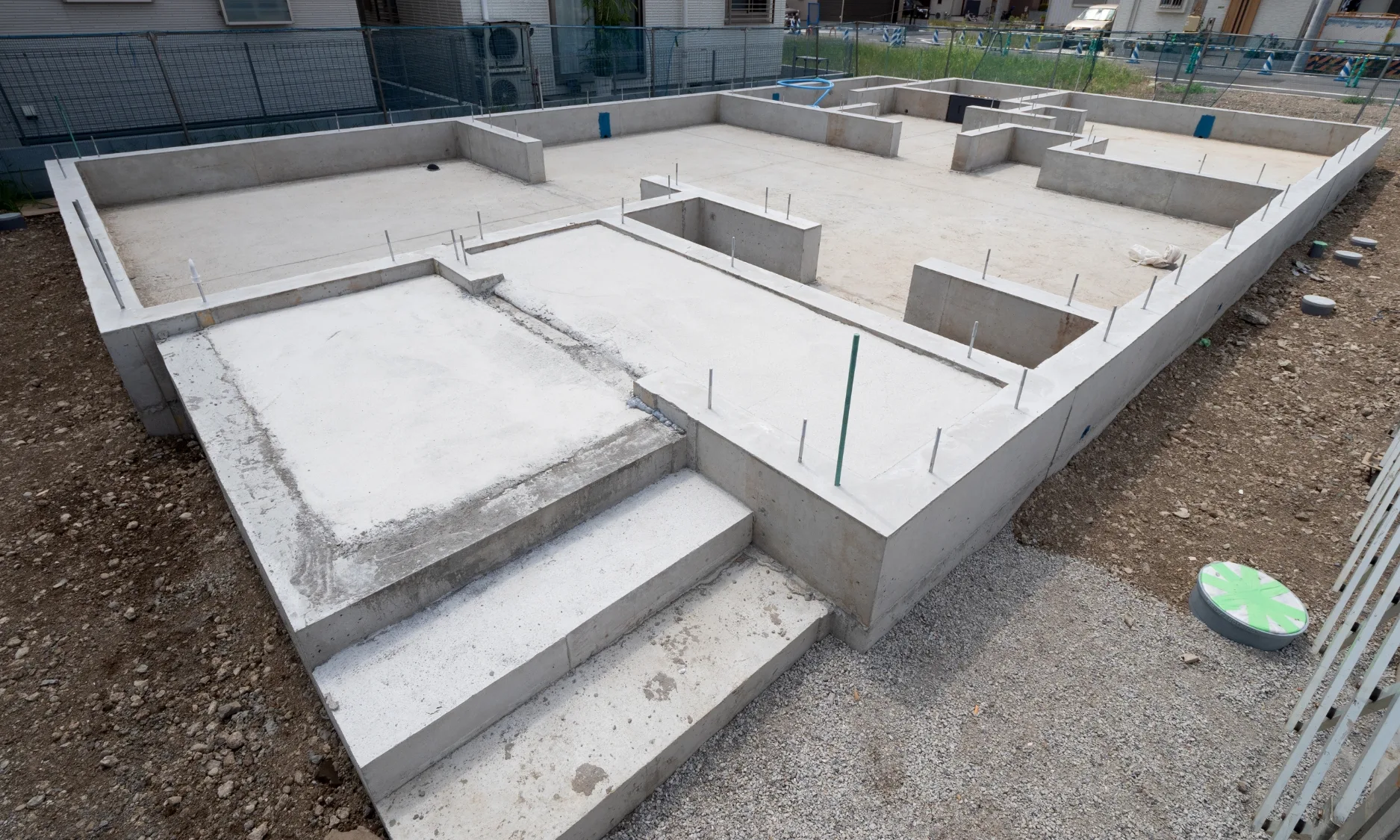
Table of Contents
ToggleFrom Slabs to Basements: Exploring Different House Foundation Types
Every great structure starts from the ground up. The foundation is the unseen hero of your home, bearing the weight of the entire building, resisting shifting soils, and keeping moisture at bay. Without a properly constructed base, even the most beautifully designed house will eventually succumb to structural issues, cracking walls, and uneven floors.
Different regions, climates, and home designs call for different types of foundations. The choices you make before the walls even go up will impact your home’s longevity, maintenance needs, and overall value. The construction experts at Firm Foundation understand that choosing the right base is a critical step in the home-building process. With years of experience guiding homeowners and developers, Firm Foundation knows exactly what it takes to build a base that lasts for generations.
This guide explores the three main house foundation types : slabs, crawl spaces, and basements. We will look at the characteristics, advantages, and disadvantages of each option, giving you the knowledge you need to make an informed decision for your next construction project.
Slab Foundations
Characteristics of Slab Foundations
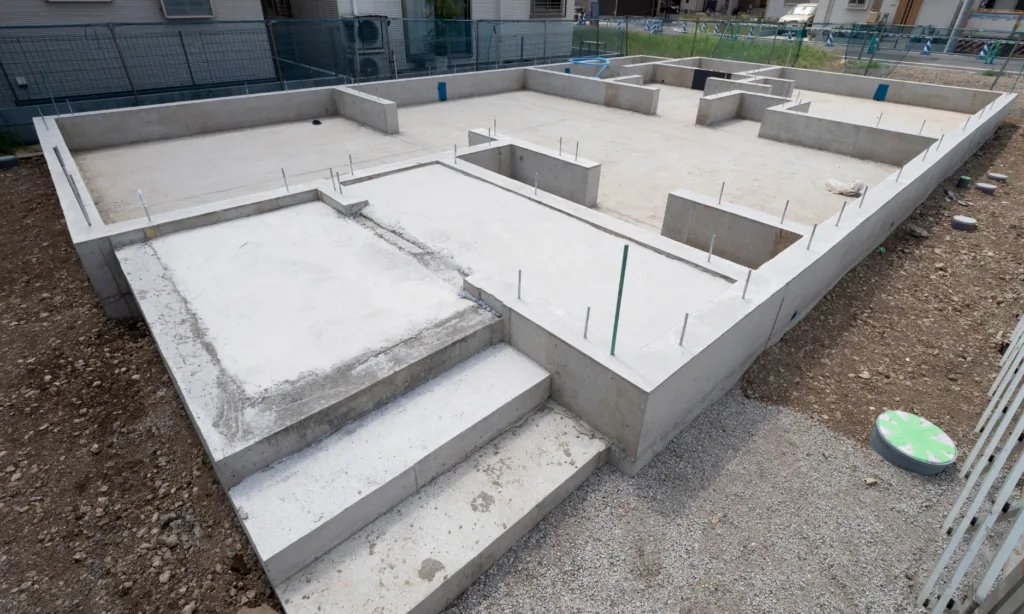
A slab foundation is exactly what it sounds like. It is a solid pad of concrete poured directly onto the ground. Contractors typically pour the concrete all at once, creating a single, uniform surface that serves as both the foundation and the ground floor of the home.
Slab foundations are usually four to eight inches thick. They rest on a layer of crushed gravel to help with drainage. The edges of the slab are often poured thicker to form a footing, which provides extra strength around the perimeter where the load-bearing walls will sit. Because they rest directly on the soil, slabs do not have any space beneath them.
Advantages of Choosing a Slab
One of the biggest reasons homeowners and builders opt for slab foundations is the cost. They are generally the most affordable option because they require minimal excavation and labor. You do not need to dig deep into the earth, which speeds up the construction timeline significantly.
Slabs are highly popular in warm climates where the ground does not freeze. Since there is no airspace beneath the house, you also eliminate the risk of rodents or insects nesting underneath your floorboards.
Disadvantages and Challenges
The main drawback of a slab foundation is the lack of access to utilities. Plumbing and electrical lines are usually embedded directly into the concrete. If a pipe bursts or needs repair, plumbers must cut through the concrete floor to fix the issue, which can be highly disruptive and expensive.
Additionally, slabs are prone to cracking if the soil beneath them shifts or settles unevenly. Tree roots can also cause significant damage if they grow underneath the concrete pad.
When to Choose a Slab Foundation
The experts at Firm Foundation frequently recommend slab foundations for clients building in warmer climates with level ground. If you are working with a tight budget and want a quick construction turnaround, a slab is an excellent choice. Firm Foundation ensures that the soil is properly compacted and graded before pouring, minimizing the risk of future settling and cracking.
Crawl Space Foundations
Characteristics of Crawl Spaces
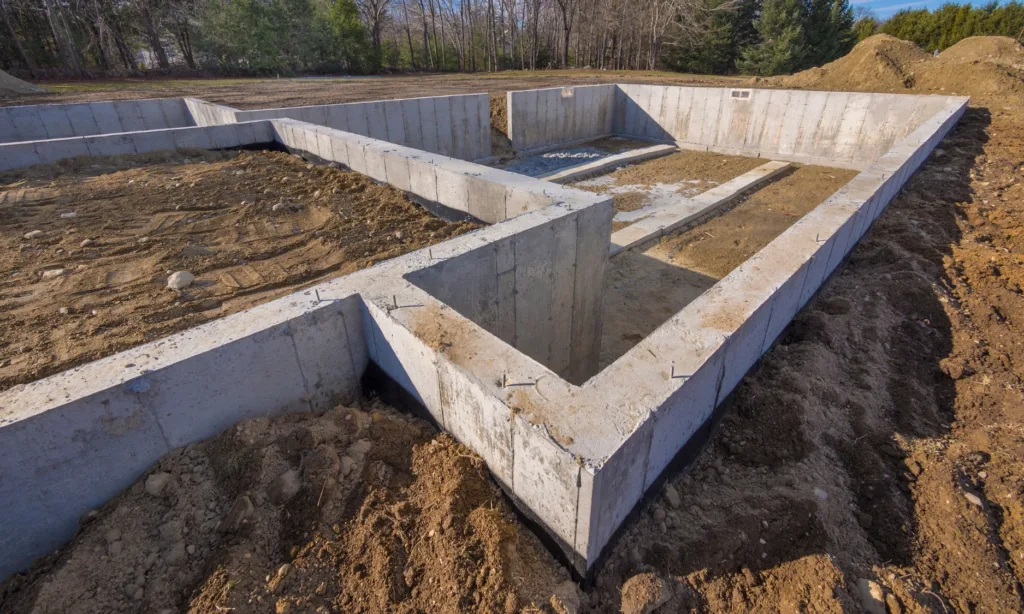
A crawl space foundation elevates the home off the ground, typically leaving about 18 inches to three feet of space between the soil and the bottom of the house. This foundation type is built using perimeter footing and short foundation walls made of poured concrete or cinder blocks.
The space beneath the house is usually just tall enough for someone to crawl through, hence the name. Piers or pillars are often installed throughout the crawl space to support the weight of the interior floors. This type of foundation creates a buffer zone between the damp earth and the wooden structure of your home.
Advantages of a Crawl Space
Crawl spaces offer excellent access to your home’s plumbing, electrical, and HVAC systems. Because these utilities are exposed beneath the floor rather than buried in concrete, repairs and upgrades are significantly easier and cheaper to manage.
Elevating the home also provides a better vantage point and protects the main living areas from minor flooding. Furthermore, Firm Foundation often recommends crawl spaces for properties with sloping or uneven terrain, as it is much easier to adjust the height of the foundation walls than it is to level a massive plot of land.
Disadvantages and Maintenance
The primary issue with crawl spaces is moisture management. Because the space is enclosed and sits over natural soil, humidity can easily build up. Excess moisture can lead to mold growth, wood rot, and compromised air quality inside the home.
Unsealed crawl spaces can also attract pests. Mice, termites, and other critters often seek shelter in these dark, damp areas. Finally, if the crawl space is not properly insulated, the floors above can become uncomfortably cold in the winter, leading to higher heating bills.
Maintaining a Healthy Crawl Space
Firm Foundation strongly advises homeowners to encapsulate their crawl spaces. Encapsulation involves laying a thick vapor barrier over the exposed dirt and sealing the vents. By adding proper insulation and a dehumidifier, you can completely control the climate beneath your home. This service, proudly offered by Firm Foundation, protects your floor joists from rotting and significantly improves your home’s overall energy efficiency.
Basement Foundations
Characteristics of Basement Foundations
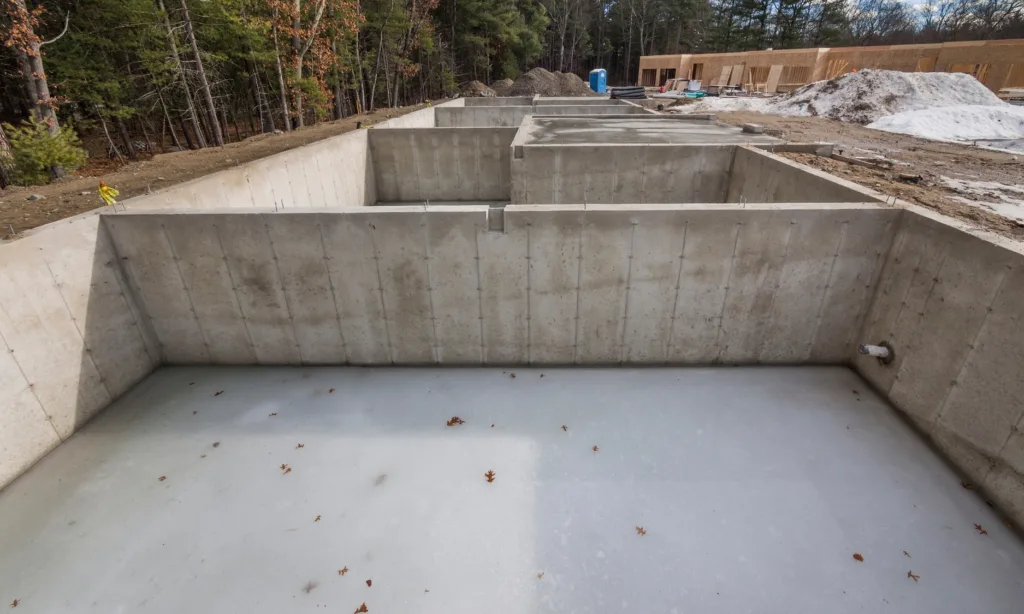
A basement is essentially a hole dug deeply into the earth, supported by tall concrete walls that form an underground living space. Depending on the design, basements can be fully submerged or partially exposed (often called a walk-out basement).
Building a basement requires extensive excavation. Contractors dig down past the local frost line to pour the footings. The walls are usually constructed of poured concrete or concrete masonry units (blocks). A concrete slab is then poured to create the basement floor. The resulting space is typically eight feet tall or more, providing a massive area beneath the main level of the house.
Advantages of a Basement
The most significant benefit of a basement is the sheer amount of additional square footage it provides. You can double the usable space of a single-story home without expanding the building’s footprint. Basements can serve as storage areas, home gyms, entertainment rooms, or additional bedrooms.
Like crawl spaces, basements offer easy access to utilities. They also provide a naturally cool environment in the summer and serve as a vital storm shelter in areas prone to tornadoes or severe weather.
Disadvantages and Costs
Basements are the most expensive foundation type to build. They require heavy machinery for excavation, a massive amount of concrete, and significantly more labor hours.
Moisture is also a constant threat. Because basements are surrounded by earth, water can seep through the concrete walls if they are not adequately waterproofed. Flooding is a serious concern in areas with high water tables or poor drainage systems.
Basement Waterproofing and Finishing
To protect your investment, Firm Foundation employs advanced basement waterproofing techniques during the construction phase. This includes applying exterior waterproofing membranes, installing French drains, and setting up reliable sump pump systems. Once the space is dry and secure, Firm Foundation’s remodeling team can help you finish the basement, transforming cold concrete walls into a beautiful, functional living area that adds immense value to your property.
Factors to Consider When Choosing a Foundation
Soil Type and Topography
The soil on your lot plays a massive role in foundation selection. Soils with high clay content expand when wet and shrink when dry, putting immense pressure on foundation walls. Sandy soils drain well but may require deeper footings for stability. The topography of your land is equally important. A flat lot is perfect for a slab, while a steep incline practically demands a crawl space or a walk-out basement.
Climate and Weather Patterns
Your local climate directly influences building requirements. In northern regions with freezing winters, the ground expands as it freezes. Foundations in these areas must be dug below the frost line to prevent the house from shifting. This is why basements are incredibly common in colder climates. In warmer, southern regions where the ground rarely freezes, slabs are far more prevalent.
Budget and Desired Features
Your overall construction budget will heavily influence your decision. If you need to keep costs low, a slab is the clear winner. If you want maximum square footage and have the budget to support it, a basement is a worthwhile investment.
Local Building Codes and Regulations
City and county building codes often dictate specific house foundation requirements based on local geological surveys and historical weather data. Adhering to these codes is non-negotiable for safety and legal reasons.
Consultation with Firm Foundation
Navigating soil reports, frost lines, and building codes can be overwhelming. Scheduling a consultation with Firm Foundation provides you with expert guidance tailored to your specific lot. Their team conducts thorough site evaluations to recommend the safest, most cost-effective foundation for your dream home.
The Importance of Professional Foundation Installation
Risks of Improper Installation
Even the best foundation design will fail if it is poorly constructed. This is not an area where you want to cut corners or hire an inexperienced contractor.
A badly poured foundation will haunt a house for its entire lifespan. Uneven settling causes walls to crack, doors to jam, and floors to slant. Poor waterproofing leads to chronic mold and structural rot. Fixing these issues after the house is fully built is incredibly expensive and highly disruptive to your daily life.
The Firm Foundation Advantage
Partnering with a trusted construction company like Firm Foundation guarantees peace of mind. Our experienced crews know how to properly prep the site, compact the soil, and pour concrete under the right weather conditions. We use high-quality materials and adhere strictly to all engineering specifications.
What to Look for in a Contractor
When evaluating a house foundation contractor, look for transparency, strong local references, and proper licensing. Ask about their warranty policies and how they handle unexpected soil issues during excavation. A reputable company will happily answer all your questions and explain their process in detail.
Securing Your Home’s Future
The foundation you choose sets the stage for everything that follows in the home-building process. Slabs offer an affordable, durable solution for warm climates and flat lots. Crawl spaces provide excellent utility access and adaptability for uneven terrain. Basements deliver unparalleled additional living space and storm protection for those willing to invest in the excavation.
Understanding the unique characteristics of your property and your long-term goals is essential to making the right choice. A strong, expertly laid foundation is the ultimate key to your home’s longevity and structural integrity.
Do not leave the most critical part of your home to chance. Contact the experts at Firm Foundation today to discuss your construction needs, evaluate your property, and build a base that will stand strong for a lifetime.
Firm Foundations LLC
https://maps.app.goo.gl/Uf6XdgtpBTETgNrr7
1535 White School Rd, Honey Brook, PA 19344, United States
(717) 716-7267
https://shedpads.com/