
Horse Barns
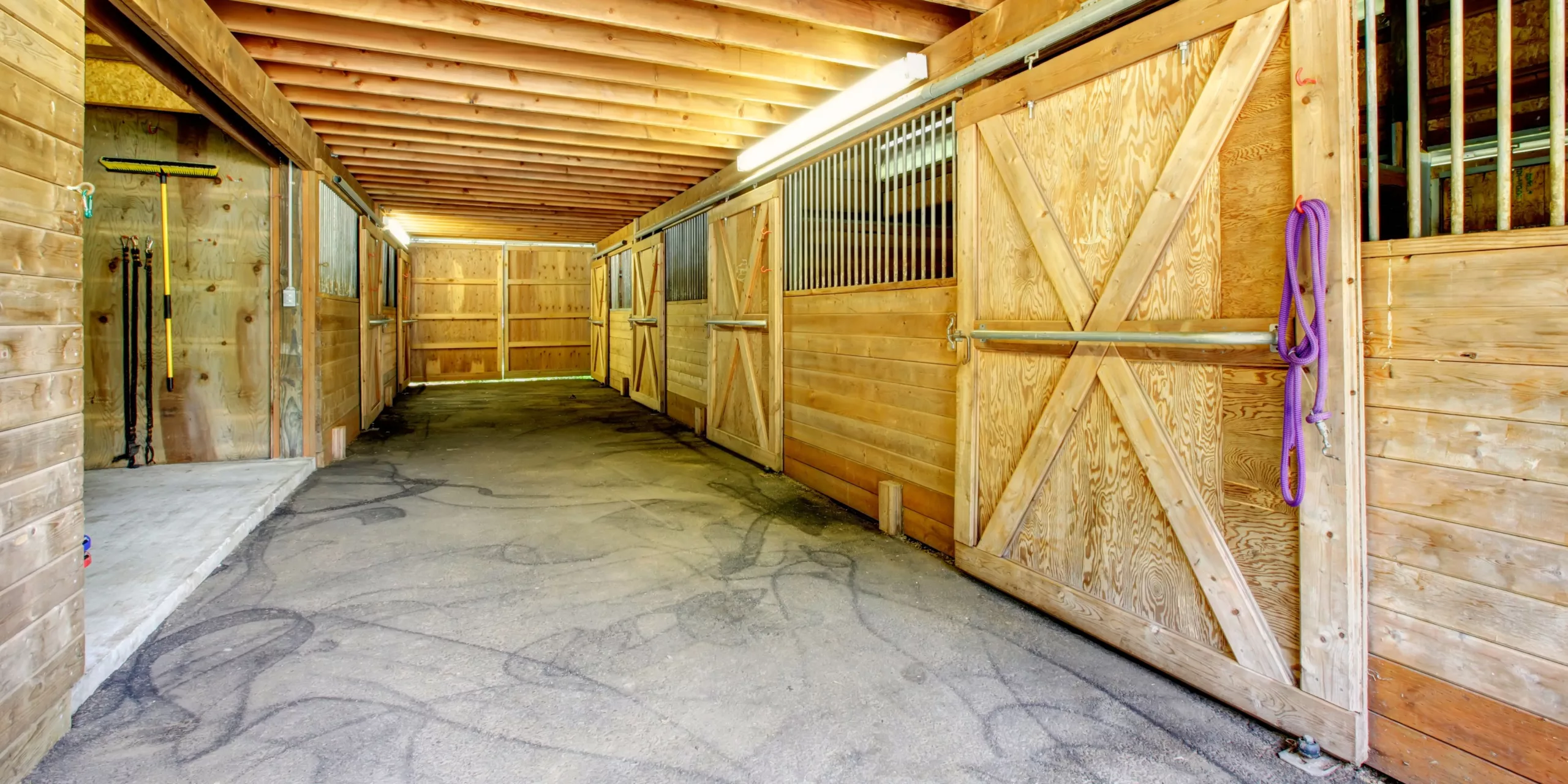
The Ultimate Guide to Building a Safe and Comfortable Horse Barns
For many equestrians, bringing horses home is a dream come true, but it comes with new responsibilities. Transitioning from boarding to backyard horsekeeping means taking on the roles of facility manager, maintenance crew, and safety inspector. Building a barn is more than just putting up walls and a roof—it’s a major financial and emotional investment. A poorly designed barn can lead to health and safety issues for your horses, while a well-planned facility simplifies chores, reduces vet bills, and creates a safe, comfortable environment for your animals.
This guide covers everything you need to know about building horse barns that prioritizes safety, comfort, and durability. From choosing the right location to selecting materials and stall design, every decision impacts your horses’ well-being. Whether you’re planning a small shed row or a larger center-aisle barn, these tips will help you create a space where your horses can thrive.
Site Selection: The Ground Beneath Their Hooves
Before you even look at blueprints or choose a color scheme, you must evaluate the land. The location of your barn dictates its longevity and the daily ease of your operations. The most beautifully constructed building will become a nightmare if it is situated in a low-lying area that collects water.
Drainage is Non-Negotiable
“High and dry” is the golden rule of barn placement. You want to build on an elevated pad that encourages water to flow away from the structure. Mud is the enemy of horse health; it harbors bacteria that cause thrush and scratches (mud fever), creates slipping hazards, and serves as a breeding ground for insects.
If your property is relatively flat, you will need to bring in fill dirt to create a raised building pad. This pad should extend several feet beyond the perimeter of the barn on all sides. Installing French drains or gutters with downspouts that direct rainwater well away from the foundation is also essential. Remember, a 2,000-square-foot roof collects over 1,200 gallons of water during a single inch of rain. Without a plan for that water, your foundation will erode, and your aisles will flood.
Orientation and Elements
Consider the prevailing winds and the path of the sun. In warmer climates, you might orient the barn to capture summer breezes through the center aisle. In colder regions, you may position the barn broadside to the wind to shield the stalls from harsh winter gusts. Sunlight is a natural disinfectant and mood booster, so positioning the barn to maximize morning light can help keep the interior dry and cheerful.
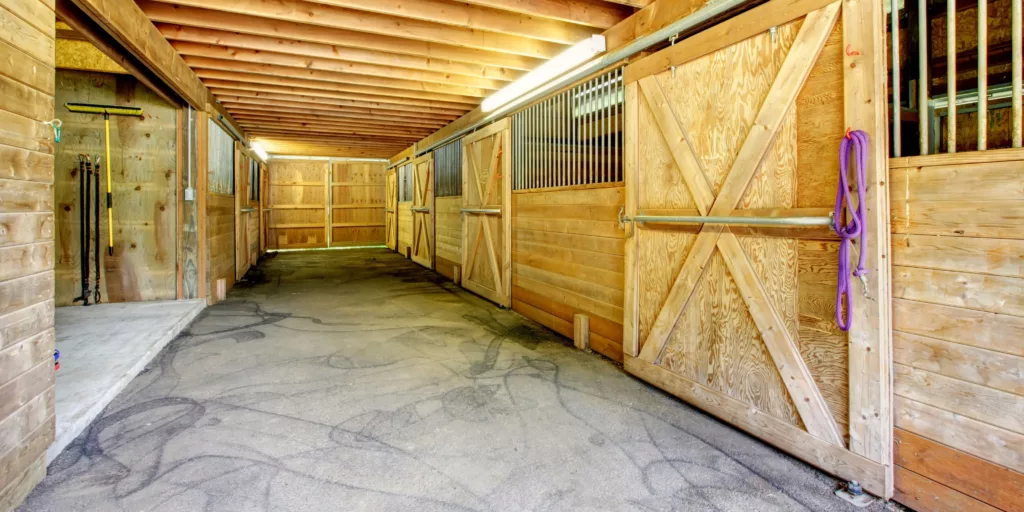
Breathing Easy: Designing for Ventilation
Respiratory health is arguably the most critical factor in barn design. Horses have delicate respiratory systems that are easily compromised by dust, mold, and ammonia fumes. In the wild, horses are constantly moving in fresh air. When we confine them to stalls, we limit that airflow, potentially exposing them to high concentrations of airborne irritants.
The Chimney Effect
Good ventilation doesn’t mean a drafty barn; it means a constant exchange of stale air for fresh air. This is often achieved through the “chimney effect.” As heat from the horses rises, it should be able to escape through ridge vents, cupolas, or monitor-style roofs. As the warm air exits the top, cool, fresh air is drawn in through eaves, windows, or doors.
Ceiling Height and Air Volume
Low ceilings can feel oppressive and trap bad air. A higher ceiling allows heat and ammonia to rise above the horse’s breathing zone. For a standard horse barn, an interior eave height of at least 10 to 12 feet is recommended. Open designs, where the stalls have grilled tops rather than solid walls all the way to the ceiling, also facilitate better airflow between compartments.
Windows and Doors
Every stall should ideally have a window or a Dutch door opening to the outside. This allows the horse to stick its head out for fresh air and visual stimulation, reducing boredom and stable vices like cribbing or weaving. However, ensure these windows are glazed with safety glass or protected by heavy-duty grills to prevent injury.
Stall Dimensions and Flooring Solutions
The stall is where your horse will spend a significant amount of time, especially during inclement weather or stall rest. It needs to be safe, spacious, and supportive of their joint health.
Sizing for Safety
The standard stall size is 12 feet by 12 feet. This accommodates most average-sized horses (1,000–1,200 lbs) comfortably, allowing them to lie down, roll, and stand up without getting cast (stuck against a wall). For warmbloods or draft breeds, a 14×14 stall is preferable. Foaling stalls should be at least 12×24 to ensure the safety of the mare and foal.
Flooring Options
The floor of the stall must provide traction, cushion, and drainage.
- Concrete: Concrete is durable, level, and easy to sanitize, but it is unforgiving on equine legs. If you choose concrete, it acts as a sub-floor and must be covered with thick rubber mats or a mattress system to provide cushioning.
- Compacted Stone Dust/Screenings: This is a popular, cost-effective choice. It drains well and is softer than concrete. However, it requires maintenance; horses will dig holes that need to be filled and leveled regularly.
- Interlocking Pavers: Rubber or brick pavers in the aisleway look professional and offer great traction. They are safer than smooth concrete, which can become incredibly slippery when horses have steel shoes on.
Integrating Firm Foundations for Structural Integrity
While many horse owners focus on the aesthetics—the wood stain, the stall fronts, the tack room decor—the longevity of the barn relies entirely on what lies beneath. This is where partnering with experts like Firm Foundations becomes invaluable.
A barn is a heavy structure that endures significant stress, from high winds to the weight of snow, and even the daily impact of 1,200-pound animals leaning against walls. A DIY approach to the foundation often leads to shifting posts, cracking concrete aisles, and doors that no longer latch correctly after a few seasons of freeze-thaw cycles.
Why Professional Concrete Work Matters
Firm Foundations specializes in creating the structural bedrock your barn needs. Whether you are pouring a center aisle, a wash bay with complex drainage slopes, or setting the footings for the main posts, precision is key.
- Wash Bays: A wash rack needs a specific slope to ensure water drains quickly and doesn’t pool around the horse’s hooves. Improperly poured concrete here leads to standing water, which creates slip hazards and degrades the concrete over time.
- Tack and Feed Rooms: These rooms typically require a sealed concrete floor to prevent moisture from rising and spoiling expensive hay or grain. It also acts as a primary barrier against rodents.
By utilizing a specialized team like Firm Foundations, you ensure that the interface between the earth and your structure is sound. This investment protects the rest of the building from the ground up.
Safety First: Fire Prevention and Injury Proofing
A barn should be a safe harbor, but it is filled with potential hazards. Minimizing these risks requires foresight and strict adherence to safety protocols.
Fire Prevention
Barn fires are a horse owner’s worst nightmare. They spread aggressively due to the presence of hay, straw, and wood.
- Wiring: All electrical wiring must be encased in conduit to prevent rodents from chewing through it and causing a short. All outlets should be GFCI protected.
- Hay Storage: If possible, store hay in a separate building. Hay can spontaneously combust if baled with too much moisture, and once ignited, it is nearly impossible to extinguish quickly. If you must store it in the barn, ensure superb ventilation and check moisture levels regularly.
- Lightning Protection: Consider installing lightning rods, especially if your barn is built on high ground or in an open field.
Kick-Proof Walls
Horses kick. Whether out of frustration, aggression toward a neighbor, or excitement, a hoof through a wall can result in catastrophic injury. Stall walls should be lined with lumber that is at least 2 inches thick (typically tongue and groove southern yellow pine or oak) to a height of at least 4 to 5 feet. Avoid thinner plywood or standard siding on the interior, as a hoof can easily punch through, trapping the leg and causing severe lacerations or fractures.
Latches and Hardware
Door latches must be operable by humans with one hand (because you are usually leading a horse with the other) but baffling to horses. Many clever equines learn to slide bolts or flip hooks. Avoid protruding hardware in the doorway that a horse could catch a hip or shoulder on while passing through.
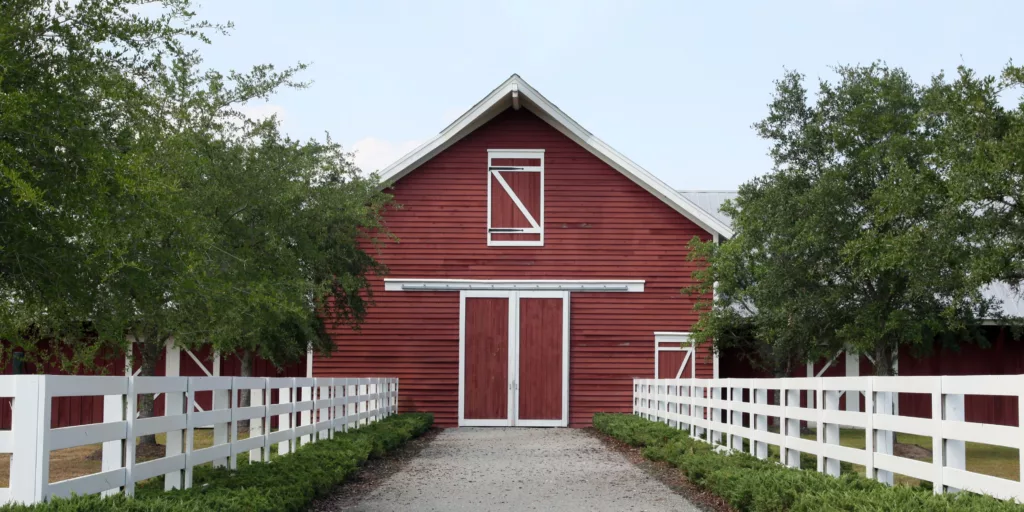
Feed and Tack Room Organization
Efficiency in the barn translates to more time in the saddle. The feed and tack rooms are the command centers of your stable.
The Feed Room
This room must be secure. Horses that accidentally get loose and gorge on grain can suffer from colic or laminitis, both of which can be fatal. The door should be substantial and kept locked or latched securely. Inside, feed should be stored in galvanized metal bins or heavy-duty plastic containers with tight lids to keep out mice, rats, and raccoons. Cleanliness is vital here to prevent pests.
The Tack Room
This needs to be a dry, climate-controlled space if possible. Leather tack will mold quickly in damp environments. Insulation and a dehumidifier are excellent additions. Security is also a concern, as saddles are high-value targets for thieves. Ensure this room has a solid core door and a deadbolt.
Creating Your Equine Sanctuary
Building a horse barn is a balance of form and function. While we all love the look of a pristine, timber-framed structure with brass finials, the true beauty of a barn lies in how well it works. A well-designed barn breathes. It stays cool in the summer and dry in the winter. It stands firm against the elements and provides a safe, forgiving environment for animals that are prone to finding trouble.
By focusing on the essentials—proper site prep, superior ventilation, robust stall construction, and a solid structural base provided by companies like Firm Foundations—you are investing in the health of your horses for decades to come. Take your time during the planning phase. Visit other barns to see what works and what doesn’t. When the dust settles and you lead your horse into their new stall for the first time, you’ll know the effort was worth it.
Firm Foundations LLC
https://maps.app.goo.gl/Uf6XdgtpBTETgNrr7
1535 White School Rd, Honey Brook, PA 19344, United States
(717) 716-7267
https://shedpads.com/