
Gazebo Foundation
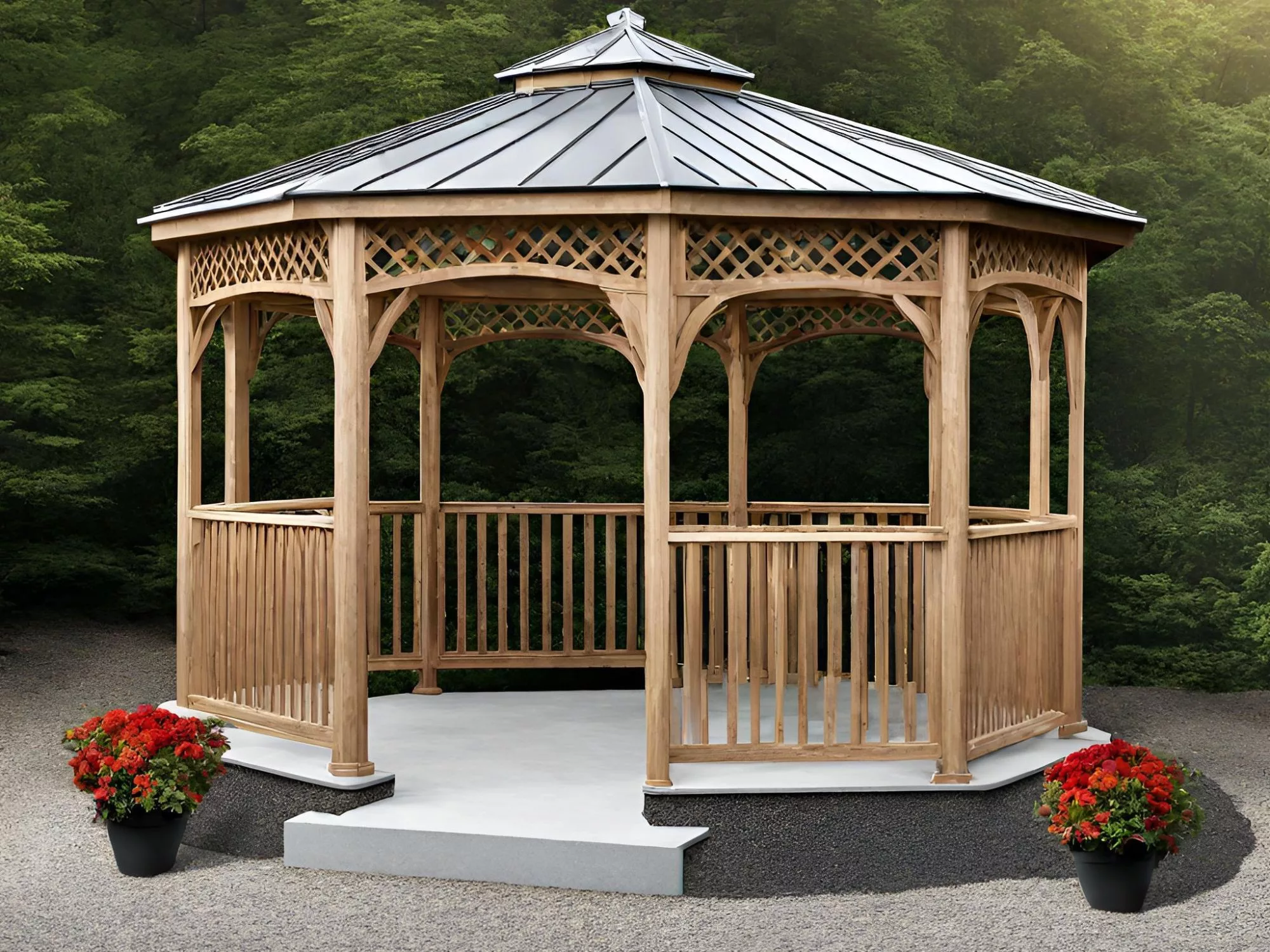
Gazebo Foundation 101: Tips for a Level and Durable Structure
Every homeowner dreams of the perfect backyard oasis—a place to relax, entertain, and enjoy the outdoors. Adding a gazebo is a fantastic way to create that sanctuary, offering shelter and style to any landscape. However, the longevity and safety of this beautiful structure depend entirely on what lies beneath it. Just as a house needs a solid base, a gazebo requires a carefully constructed foundation to withstand the elements and remain level over time.
While it might be tempting to focus solely on the aesthetics of the gazebo itself—the roof style, the railings, or the seating—ignoring the groundwork can lead to costly repairs and structural failures down the road. A proper gazebo foundation ensures stability, prevents sinking, and protects the wood from ground moisture. This guide covers essential tips for building a level, durable base that guarantees your gazebo stands strong for years to come.
Why Your Gazebo’s Foundation is Non-Negotiable
Protecting Your Investment
A gazebo is a significant financial addition to a property, and protecting that investment starts with the ground it sits on. Without a proper foundation, the structure is susceptible to shifting soils, which can cause the frame to warp or the roof to leak. A solid base prevents the gazebo from sinking unevenly into the earth, safeguarding the money and time invested in creating a backyard retreat.
Ensuring Safety for Family and Friends
Stability is crucial for the safety of anyone using the outdoor structure. If a gazebo is built on uneven ground or a weak base, it faces a higher risk of structural instability, especially during gatherings or periods of high wind. A level, reinforced foundation anchors the structure securely, eliminating the danger of collapse or tipping and providing peace of mind for homeowners and their guests.
Preventing Premature Rot and Decay
Direct contact with the ground is the enemy of wooden structures. Moisture from the soil can quickly seep into the lumber, leading to rot, mold, and insect infestations that compromise the gazebo’s integrity. By elevating the structure on a solid foundation, such as concrete or pavers, the wood remains dry and protected from pests, significantly extending the lifespan of the materials.
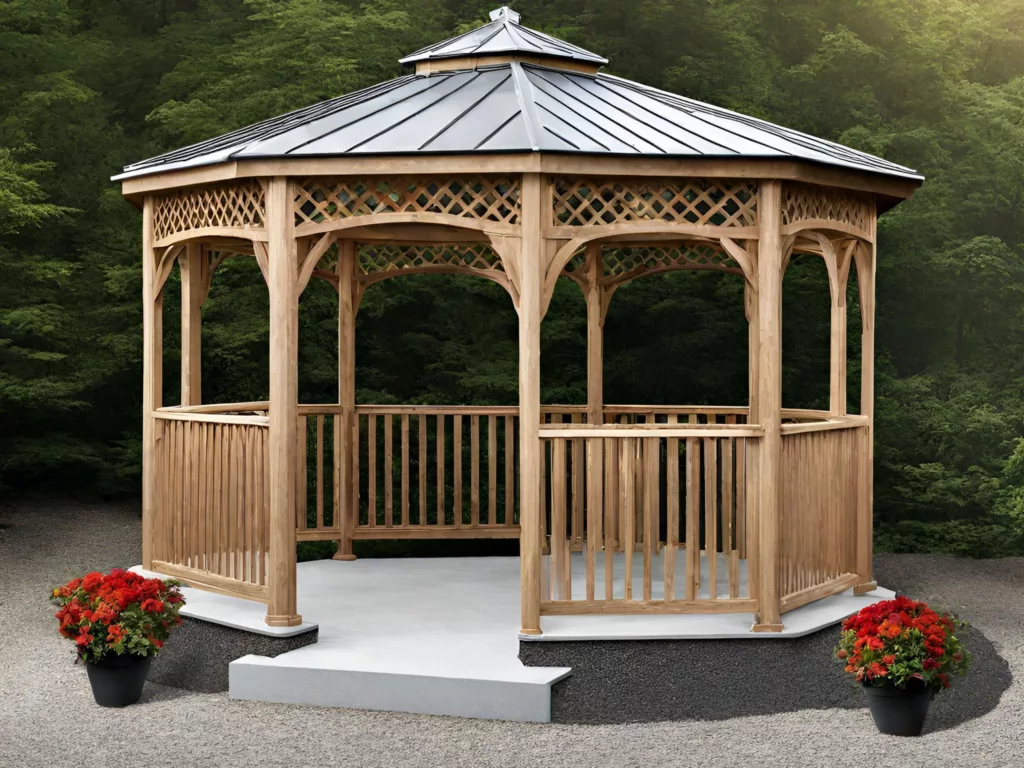
Choosing the Right Foundation Type for Your Yard
The Simplicity of a Concrete Paver Base
For smaller, lightweight gazebos situated on relatively flat ground, concrete pavers offer an accessible and aesthetically pleasing solution. This method involves creating a level sand bed and laying individual pavers to form a patio-like surface. While less permanent than a poured slab, pavers provide excellent drainage and can be easily repaired or adjusted if the ground shifts slightly over time.
The Durability of a Concrete Slab
For larger, heavier structures or areas with unstable soil conditions, a poured concrete slab is the gold standard for durability. This type of gazebo foundation creates a permanent, monolithic base that supports significant weight without shifting. It offers the highest level of stability and requires minimal maintenance, making it an ideal choice for homeowners seeking a long-term, worry-free solution.
The Versatility of a Deck or Pier Foundation
When dealing with sloped yards or uneven terrain, a deck-style foundation supported by concrete piers is often the most practical option. Concrete piers are poured deep into the ground (often below the frost line) to anchor the structure, while a wooden frame creates a level platform above the grade.
The Firm Foundations LLC Commitment to Quality
Precision and Expertise from the Start
A “measure twice, cut once” philosophy drives every project to ensure the highest standards of accuracy. Meticulous planning is applied to every foundation, ensuring it is perfectly square and level before any concrete is poured or lumber is cut. This attention to detail eliminates structural issues during the assembly of the gazebo and guarantees a professional result that stands the test of time.
Using High-Quality Materials for Enduring Strength
The longevity of a foundation is directly tied to the quality of the materials used in its construction. Only the best materials are selected, from high-grade concrete mixes designed for durability to properly treated lumber that resists rot and decay. Utilizing superior components ensures that the foundation can withstand harsh weather conditions, temperature fluctuations, and the weight of the structure for decades.
A Clean and Respectful Worksite
Treating a client’s property with respect is a core value of professional service. A commitment is made to maintain a tidy and organized worksite throughout the construction process, minimizing disruption to the homeowner’s daily life. Upon completion, the area is thoroughly cleaned, leaving the yard looking pristine and ready for the immediate installation of the new gazebo.
Preparing the Site: The First Step to a Perfect Build
Selecting the Ideal Location
Choosing the right spot involves more than just aesthetics; it requires considering environmental factors like sunlight, wind patterns, and drainage. It is important to select an area that is not prone to standing water and is a safe distance from large trees that could drop branches. Additionally, proximity to the house should be considered for convenience, especially if the gazebo will be used for dining or entertaining.
The Importance of Proper Ground Clearing and Leveling
Before any construction begins, the site must be thoroughly cleared of grass, rocks, roots, and debris to create a clean slate. Excavation and grading are then performed to create a truly flat surface, which is critical for the stability of the final structure. Proper leveling prevents water from pooling around the base and ensures that the weight of the gazebo is distributed evenly across the foundation.
Checking for Utilities Before You Dig
Safety is paramount during any excavation project, making it essential to identify underground hazards before breaking ground. Calling 811 to have underground utility lines—such as gas, electric, and water—marked is a critical step that prevents dangerous accidents and costly repairs. This precautionary measure ensures that the excavation process proceeds smoothly and without interfering with essential home services.
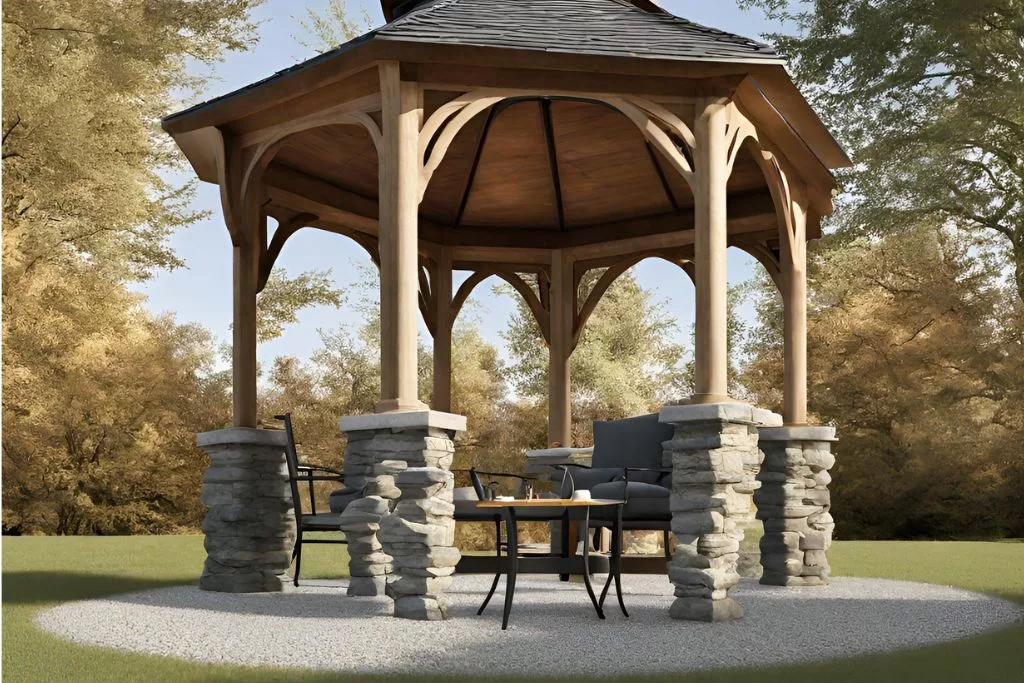
Building a Concrete Slab Foundation: A Step-by-Step Overview
Constructing a Strong and Square Form
The first physical step in pouring a slab involves building a sturdy wooden frame, or form, that defines the shape and depth of the foundation. This form must be constructed with precision to ensure the corners are perfectly square and the sides are level. A well-built form contains the heavy wet concrete without bowing, ensuring the final slab meets the exact dimensions required for the gazebo.
Laying a Gravel Base for Superior Drainage
Beneath the concrete, a layer of gravel is added and compacted to create a stable sub-base. This gravel layer is crucial for allowing water to drain away from the underside of the slab, preventing moisture buildup that can lead to soil erosion or frost heave. Compacting the gravel ensures a solid surface that supports the concrete evenly, reducing the likelihood of cracks developing over time.
Pouring and Finishing for a Professional Look
The concrete is poured into the forms and spread evenly to eliminate air pockets and voids. Expert finishing techniques are then applied to smooth the surface, often adding a slight texture for slip resistance or a decorative border. A subtle slope is incorporated to facilitate water runoff, ensuring that rain does not pool on the surface of the foundation, which promotes a flawless and durable finish.
Common Mistakes to Avoid When Building a Gazebo Foundation
Skimping on Site Preparation
One of the most frequent errors in DIY projects is failing to adequately prepare the ground before building. constructing a foundation on soil that has not been properly compacted or leveled inevitably leads to settling and shifting. This can result in a wobbly structure, doors that stick, and potential safety hazards that require expensive remediation to correct.
Ignoring Local Building Codes
Every municipality has specific zoning laws and building codes that dictate foundation depth, setbacks from property lines, and material requirements. Failing to check these local regulations and obtain the necessary permits can result in significant fines or legal issues. In severe cases, homeowners may be forced to tear down and rebuild the project, wasting valuable time and resources.
Using Inadequate Materials
Using materials that are not rated for ground contact or outdoor use is a recipe for failure. Untreated wood will rot quickly when exposed to soil moisture, and standard concrete mixes may not withstand freeze-thaw cycles in colder climates. Selecting the wrong materials compromises the structural integrity of the entire gazebo foundation, leading to deterioration that occurs far sooner than expected.
How a Professional Foundation Adds Value to Your Property
Enhancing Curb Appeal with a Polished Look
A professionally constructed gazebo foundation provides a crisp, clean aesthetic that enhances the overall beauty of the backyard. Unlike a makeshift base, a professionally finished slab or paver patio looks intentional and high-end, elevating the visual appeal of the gazebo. This attention to detail creates a cohesive look that complements the landscaping and architecture of the home.
A Key Selling Point for Future Buyers
When it comes time to sell a home, potential buyers look for quality and durability in outdoor features. A well-constructed gazebo on a solid, permitted foundation is viewed as a valuable asset rather than a potential liability. This feature can differentiate a property in the real estate market, potentially increasing the home’s resale value and attracting buyers looking for a move-in-ready outdoor space.
The Peace of Mind That Comes with Expert Workmanship
Beyond the financial value, there is an intangible benefit to knowing a structure is built correctly. Professional workmanship guarantees that the foundation meets all safety standards and is engineered to last. This allows homeowners to relax and enjoy their outdoor retreat without the nagging worry of maintenance issues or structural failures looming in the future.
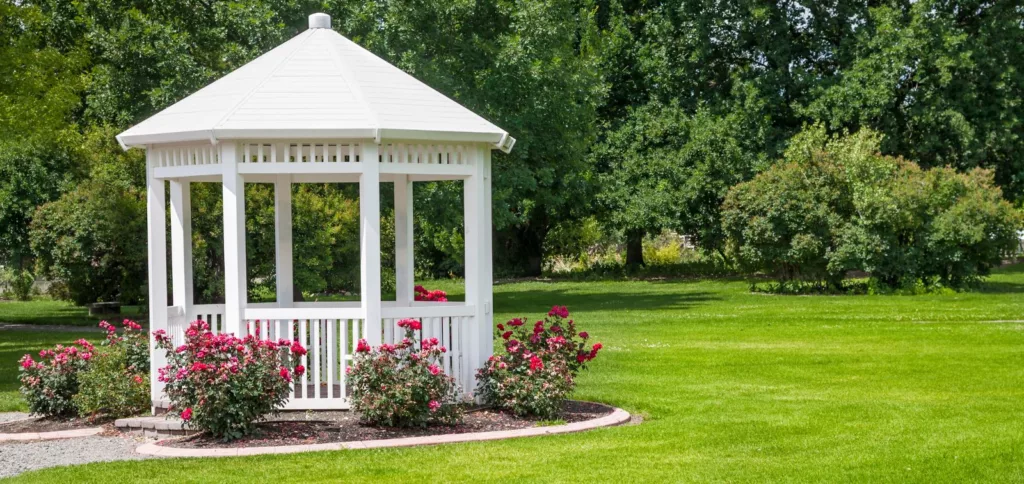
Starting Your Project with Firm Foundations LLC
Your Vision, Our Expertise: The Consultation Process
Every successful project begins with a collaborative discussion to understand the homeowner’s specific needs and design preferences. During the consultation, expert recommendations are provided regarding the best foundation type for the specific terrain and gazebo style.
A Clear, Transparent Quoting Process
Transparency is key to building trust, which is why detailed and easy-to-understand estimates are provided for every project. The quote outlines all costs associated with materials, labor, and site preparation, ensuring there are no hidden fees or surprises. This clarity allows homeowners to budget effectively and move forward with confidence, knowing exactly what to expect financially.
Scheduling Your Project with Ease
Once the plan is approved, the scheduling process is streamlined to get the project moving as efficiently as possible. Communication remains open regarding timelines and start dates, ensuring the construction fits conveniently into the homeowner’s calendar. This organized approach minimizes stress and helps homeowners move one step closer to enjoying their perfect gazebo foundation and outdoor living space.
Building for the Future
A gazebo is more than just timber and roofing; it is a long-term investment in lifestyle and property value. The secret to a structure that remains beautiful and safe for decades lies in the strength of its base. By prioritizing a level and durable foundation, homeowners ensure their backyard retreat can weather the storms and serve as a gathering place for generations.
Whether opting for a simple paver base or a robust concrete slab, professional expertise makes all the difference. Investing in quality materials and skilled craftsmanship prevents future headaches and guarantees a flawless finish. Contact Firm Foundations LLC today to ensure your backyard dream is built right, from the ground up.
Firm Foundations LLC
https://maps.app.goo.gl/Uf6XdgtpBTETgNrr7
1535 White School Rd, Honey Brook, PA 19344, United States
(717) 716-7267
https://shedpads.com/