
Gazebo Foundation Ideas
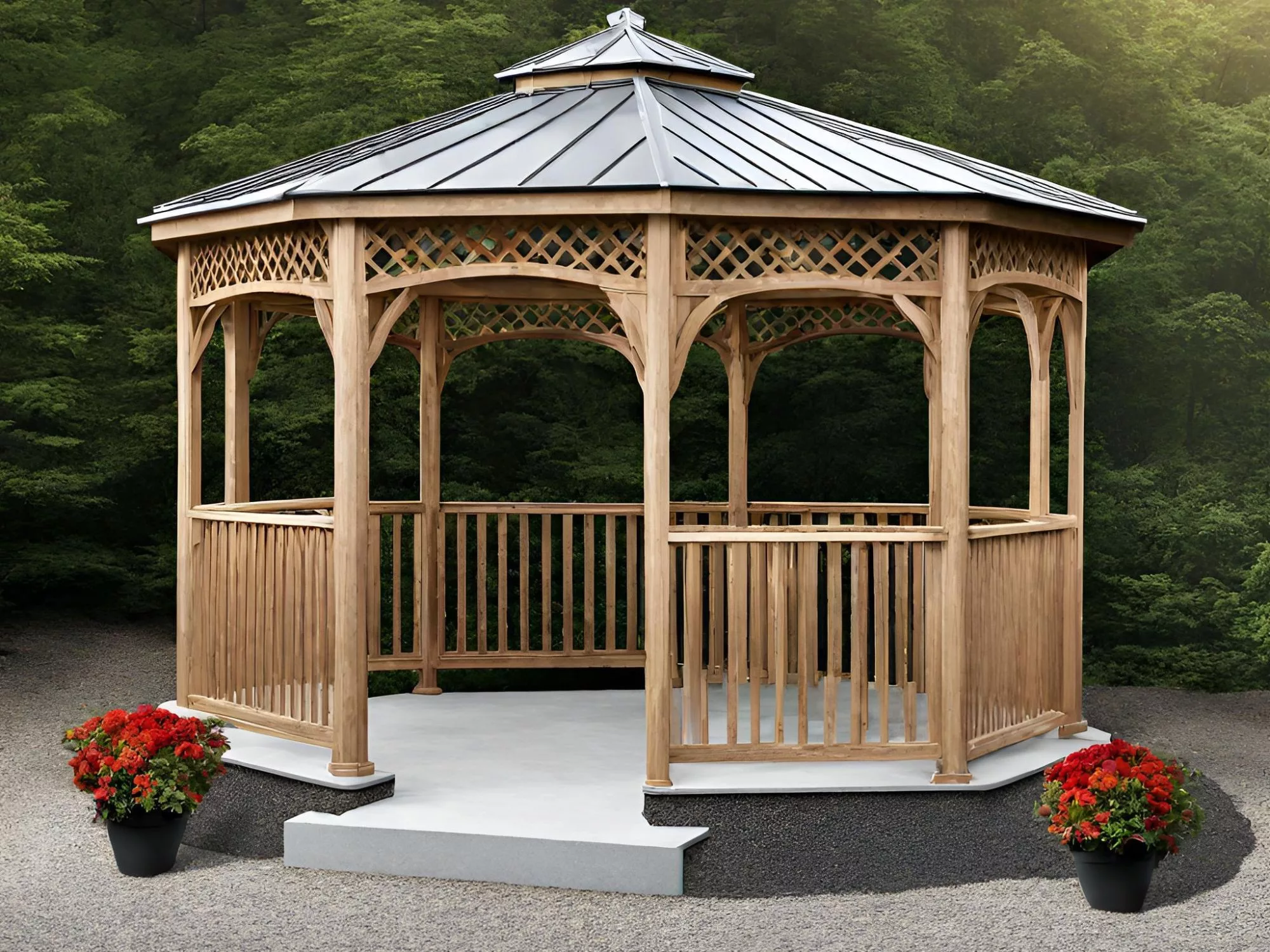
Gazebo Foundation Ideas That Stand the Test of Time and Weather
A gazebo often serves as the centerpiece of a landscape, offering a sheltered retreat for relaxation and entertainment. However, viewing this structure merely as a decorative feature overlooks a critical engineering reality: a gazebo is a substantial building that requires a solid, long-lasting base to remain safe and functional. Without proper support, even the most beautifully designed gazebo can suffer from structural instability, warping, or sinking over time. A robust foundation acts as the anchor, ensuring the structure can withstand shifting soil, heavy usage, and the rigors of changing seasons.
This guide explores practical and durable gazebo foundation ideas designed to ensure stability and longevity for any outdoor setup. From the simplicity of gravel pads to the permanence of reinforced concrete, selecting the right base depends on the specific site conditions and the intended use of the structure. Readers will gain valuable insights into different foundation types, essential planning tips, and installation guidance. Additionally, this post incorporates professional insights from industry experts like Firm Foundations LLC, highlighting the importance of precision and expertise in creating a base that endures.
Understanding Gazebo Foundations
Why a Solid Foundation Matters
A gazebo is subjected to various external forces, including wind loads, snow accumulation, and the natural settling of the earth beneath it. A solid foundation is the primary defense against these challenges, preventing the structure from tilting, sinking, or rotting due to ground contact. Inadequate support often leads to misalignment of the frame, which can cause doors or windows to stick and roofing materials to fail prematurely.
Types of Gazebo Foundations
Homeowners have several options when selecting a base, each offering distinct advantages depending on the landscape and budget. Common choices include gravel pads, which offer excellent drainage; concrete slabs, known for their superior strength and permanence; and paver foundations, which provide a balance of aesthetics and stability. Pier foundations are also a popular choice, particularly for sites with uneven terrain or for those desiring a raised floor structure.
How Foundation Choice Affects Longevity
The longevity of a gazebo is directly tied to the interaction between the foundation material and the local environment. Factors such as soil composition—whether it is sandy, clay-heavy, or rocky—play a significant role in how a foundation performs over time. Additionally, local weather patterns, including freeze-thaw cycles and heavy rainfall, dictate the need for materials that can expand, contract, or drain effectively without compromising integrity.
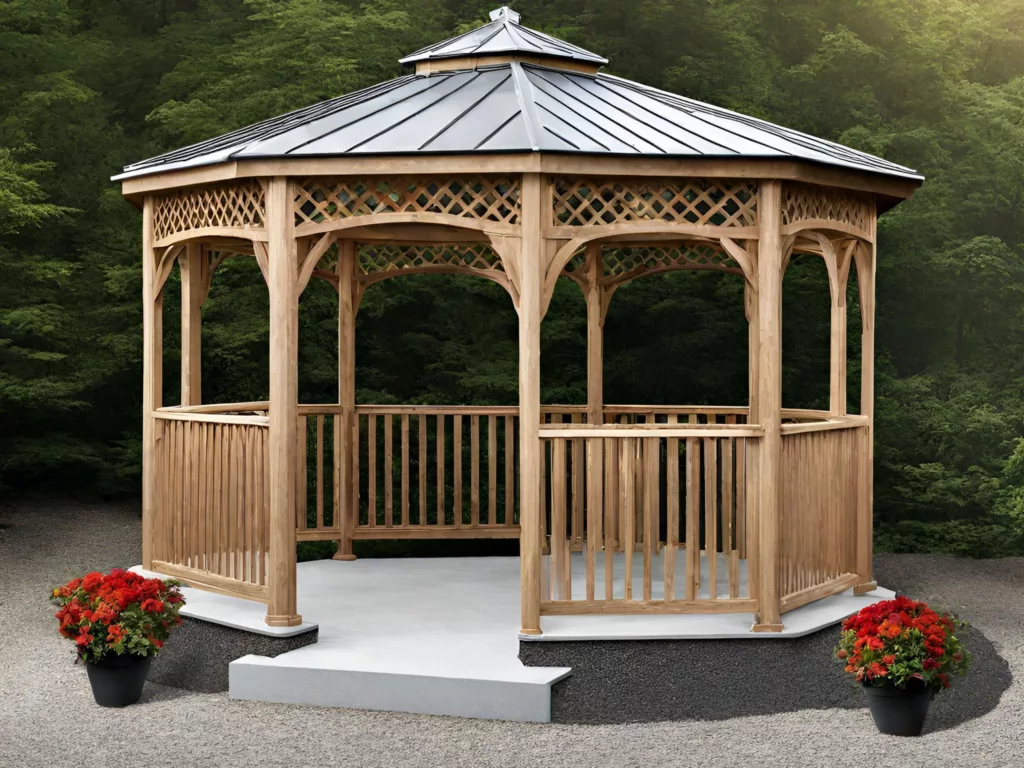
Gravel Foundations for Easy Drainage
Benefits of Gravel
Gravel foundations are widely appreciated for their natural drainage capabilities, which prevent water from pooling around the base of the gazebo. This feature is particularly beneficial in areas with heavy rainfall, as it keeps the wooden components of the structure dry and less susceptible to rot. Beyond moisture management, gravel is a cost-effective solution that is relatively straightforward to install compared to concrete or paved surfaces.
Preparing the Ground
Creating a stable gravel pad requires meticulous ground preparation to ensure the surface remains level and compacted. The process begins with clearing the designated area of all vegetation, roots, and topsoil to prevent organic matter from decomposing and causing the foundation to settle unevenly. Once the site is excavated to the appropriate depth, a landscape fabric is typically installed to suppress weed growth and separate the soil from the stone.
Professional Tips
Achieving professional-grade results with a gravel foundation involves more than simply spreading stone; it requires precise layering and containment. Companies like Firm Foundations LLC emphasize the importance of installing a sturdy perimeter border, such as pressure-treated lumber or concrete edging, to keep the gravel contained and prevent migration over time. Furthermore, using crushed stone with jagged edges rather than smooth river rock ensures the pieces lock together tightly when compacted.
Concrete Slab Foundations for Strength
Why Choose Concrete
For maximum durability and load-bearing capacity, a concrete slab is often considered the gold standard among gazebo foundation ideas. Concrete provides a monolithic surface that is impervious to shifting soil and resistant to the wear and tear of heavy foot traffic or outdoor furniture. It is an ideal choice for larger, heavier gazebos or for homeowners who plan to install features such as hot tubs or outdoor kitchens within the structure.
Pouring and Curing Tips
The integrity of a concrete foundation depends heavily on proper pouring and curing techniques. To prevent cracking and ensure a smooth finish, it is essential to prepare a well-compacted sub-base and use reinforcement mesh or rebar within the slab. Pouring should be done continuously to avoid cold joints, and the surface must be leveled and troweled before the mixture sets. Proper curing—keeping the concrete moist and at a stable temperature for several days—is critical for achieving maximum strength.
Customization Options
Concrete offers a surprising degree of versatility, allowing for customization that enhances both the utility and appearance of the foundation. Beyond a standard broom finish, slabs can be stamped, stained, or textured to mimic the look of natural stone, brick, or tile. This allows the foundation to seamlessly integrate with existing patio designs or landscape themes.
Paver Foundations for Style and Function
Aesthetic Advantages
Paver foundations are an excellent choice for those seeking to elevate the visual appeal of their backyard while providing a functional base. Available in a vast array of colors, shapes, and textures, pavers allow for intricate patterns and designs that complement the gazebo’s architecture. Unlike a plain concrete slab, a paver patio creates a warm, inviting atmosphere that feels like an extension of the garden.
Installation Steps
Installing a paver foundation involves a systematic approach to ensure the individual units remain level and interlocked. The process starts with a compacted gravel base, similar to a standard patio, followed by a layer of bedding sand that allows for precise leveling of the pavers. Each paver is placed by hand, and edge restraints are installed to prevent the outer rows from shifting outward.
Maintenance Tips
While pavers are durable, they require specific maintenance to keep the foundation looking and performing its best over the years. Regular sweeping and occasional rinsing prevent the buildup of dirt and organic debris that can stain the surface. Re-sanding the joints every few years may be necessary to maintain the structural bond and prevent weeds from taking root between the stones.
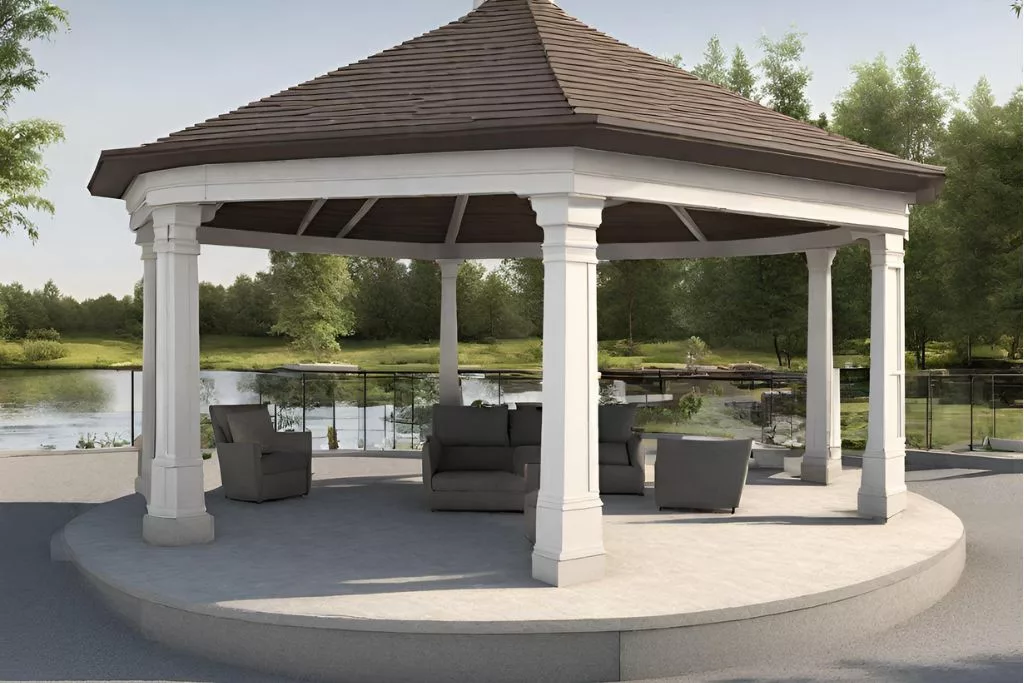
Pier or Post Foundations for Uneven Terrain
Ideal for Sloped Yards
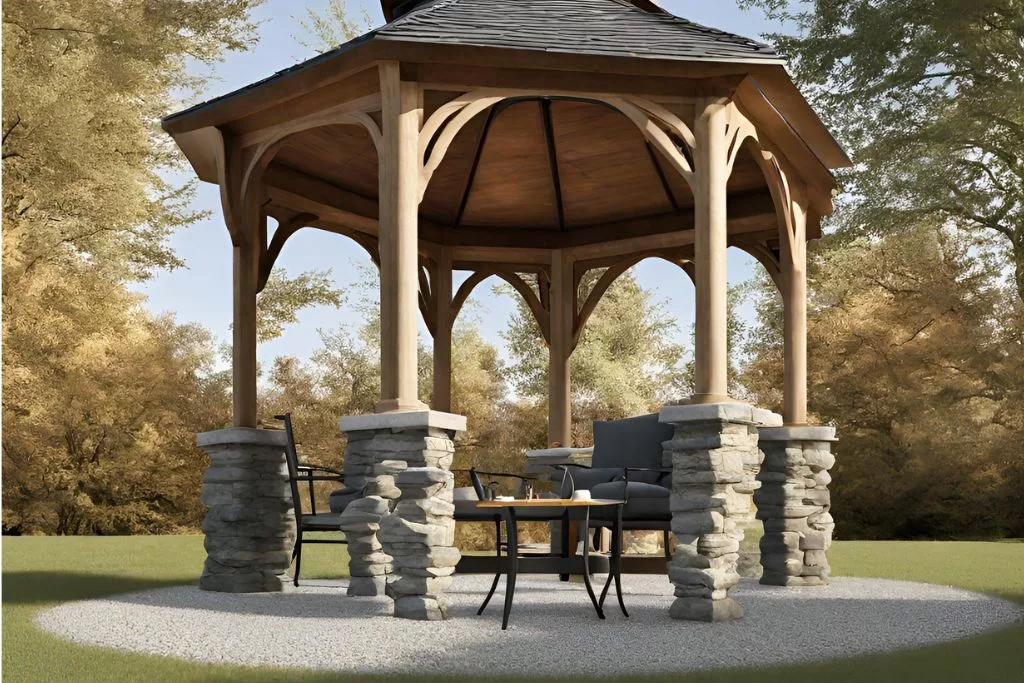
For properties with significant slopes or uneven terrain, pier foundations offer a practical solution that minimizes the need for extensive excavation. Instead of leveling the entire site, individual piers are installed at specific points to support the gazebo’s posts, allowing the floor structure to be raised to a level plane. This method preserves the natural grade of the land and ensures adequate airflow underneath the gazebo, which helps prevent moisture buildup.
Material Choices
Pier foundations can be constructed from various materials, with poured concrete footings, precast concrete blocks, and pressure-treated wood posts being the most common. Concrete piers provide robust, immovable support and are typically sunk below the frost line to prevent heaving during winter. Metal helical piles are another modern alternative, screwed deep into the ground to provide high load capacity with minimal soil disturbance.
Professional Installation Benefits
The precision required for pier foundations makes professional installation highly beneficial. Experts like Firm Foundations LLC ensure that each pier is perfectly aligned and set to the exact depth required to reach stable soil or the frost line. Proper load distribution is calculated to prevent any single pier from sinking, which could compromise the entire structure.
Planning and Preparing Your Site
Measuring and Layout
Accurate planning is the cornerstone of a successful foundation project. Before any digging begins, the exact footprint of the gazebo must be marked out using stakes and string lines to visualize the placement and orientation. It is crucial to account for not just the size of the structure, but also clearance for roof overhangs and entryways. Confirming diagonal measurements ensures the layout is perfectly square, preventing installation headaches later on.
Soil and Drainage Assessment
Assessing the soil type and drainage patterns of the site is a step that cannot be overlooked. Sandy soils drain well but may require wider footings for stability, while clay soils hold water and expand, necessitating deeper excavation and drainage amendments. Identifying low spots where water naturally collects helps in designing a foundation that elevates the gazebo above potential flooding.
Local Regulations and Permits
Navigating local building codes and zoning regulations is a mandatory aspect of planning a permanent outdoor structure. Many municipalities require permits for gazebos exceeding a certain size or for those with permanent foundations like concrete slabs. Regulations may dictate setback distances from property lines, maximum height restrictions, and allowable materials.
Maintaining a Gazebo Foundation Over Time
Routine Inspections
Regular visual inspections are vital for identifying potential issues before they escalate into major structural problems. Homeowners should check concrete slabs for widening cracks, pavers for uneven settling, and wood components for signs of rot or insect damage. Examining the perimeter ensures that soil has not washed away, which could undermine the foundation’s stability.
Seasonal Care
Different seasons bring unique challenges that require specific maintenance strategies. In winter, ensuring that water drains away from the foundation prevents freeze-thaw cycles from heaving piers or cracking concrete. During the summer, maintaining proper vegetation clearance prevents roots from encroaching on the foundation and keeps moisture levels in check.
When to Call Professionals
While minor maintenance can be handled by homeowners, significant structural concerns require the expertise of professionals. If a foundation shows signs of severe sinking, large cracks, or significant shifting, companies like Firm Foundations LLC possess the specialized tools and knowledge to assess the damage accurately. Professional services may include mud-jacking to level concrete, reinforcing piers, or installing additional drainage systems.
Conclusion
A gazebo is a significant investment that deserves a foundation capable of supporting it through years of use and weather exposure. Whether opting for the drainage benefits of gravel, the brute strength of concrete, the style of pavers, or the adaptability of piers, the choice of base is fundamental to the structure’s success. Proper site preparation, adherence to installation best practices, and regular maintenance are the keys to avoiding structural failures. By planning carefully and consulting with experts like Firm Foundations LLC, homeowners can ensure their backyard retreat rests on a base built to last. A well-built foundation guarantees that the gazebo remains a safe, beautiful, and functional sanctuary for decades.
https://maps.app.goo.gl/Uf6XdgtpBTETgNrr7
1535 White School Rd, Honey Brook, PA 19344, United States
(717) 716-7267
https://shedpads.com/