
Garden Shed Plans That Match Your Storage and Lifestyle Needs
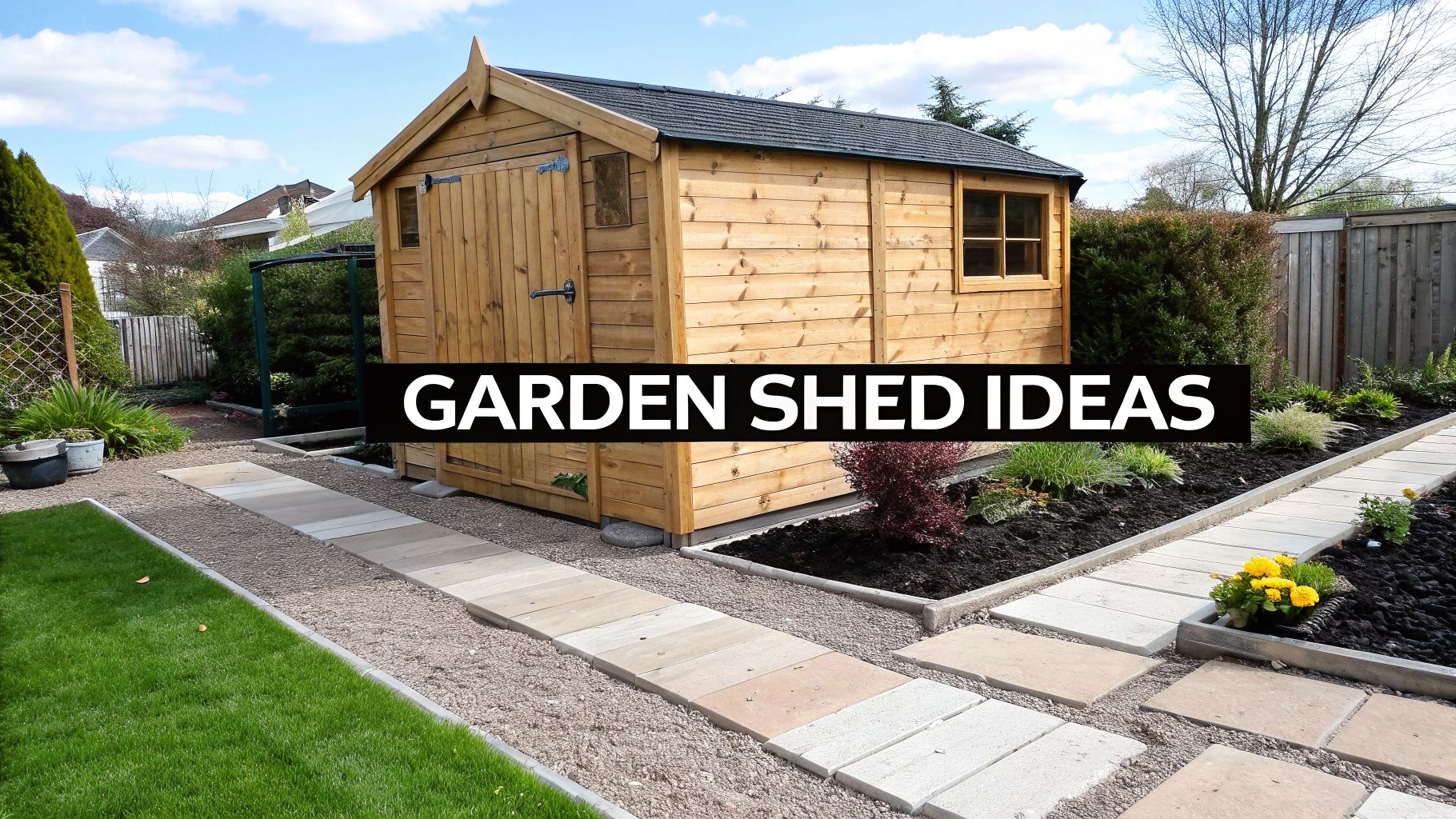
Garden Shed Plans That Match Your Storage and Lifestyle Needs
A garden shed can be much more than a place to store a lawn mower and a few hand tools. With the right layout, it can become an organized gardening station, a secure equipment building, a hobby space, a seasonal storage area, or a practical extension of your home.
That is why choosing garden shed plans should begin with how you expect to use the building. Size and appearance matter, but the most successful shed projects also account for storage habits, door placement, interior movement, site access, drainage, and the foundation beneath the structure.
Before selecting a design, take time to think through your current needs and how they may change over the next several years. A thoughtfully planned shed on a properly prepared base will be easier to use, maintain, and enjoy in every season.
Begin With What You Actually Need to Store
It is easy to underestimate how much space you need when looking at garden shed plans online or walking through a shed display lot. An empty shed can appear much larger than it will feel once equipment, shelving, and tools are inside.
Start by making an inventory of the items you plan to store. This may include a lawn mower, wheelbarrow, garden tools, bicycles, patio furniture, snow equipment, seed-starting supplies, holiday decorations, and bags of soil or fertilizer.
Next, consider which items need open floor space and which can be placed on shelves or wall-mounted storage systems. A push mower may fit beneath a shelf, while a riding mower requires a wider doorway and a clear path through the building.
Leave enough room to move around safely. A shed packed from wall to wall may technically hold everything, but it will be frustrating to use if you must remove several items every time you need something from the back.
It is often better to choose a slightly larger design than to build a shed that immediately feels crowded.
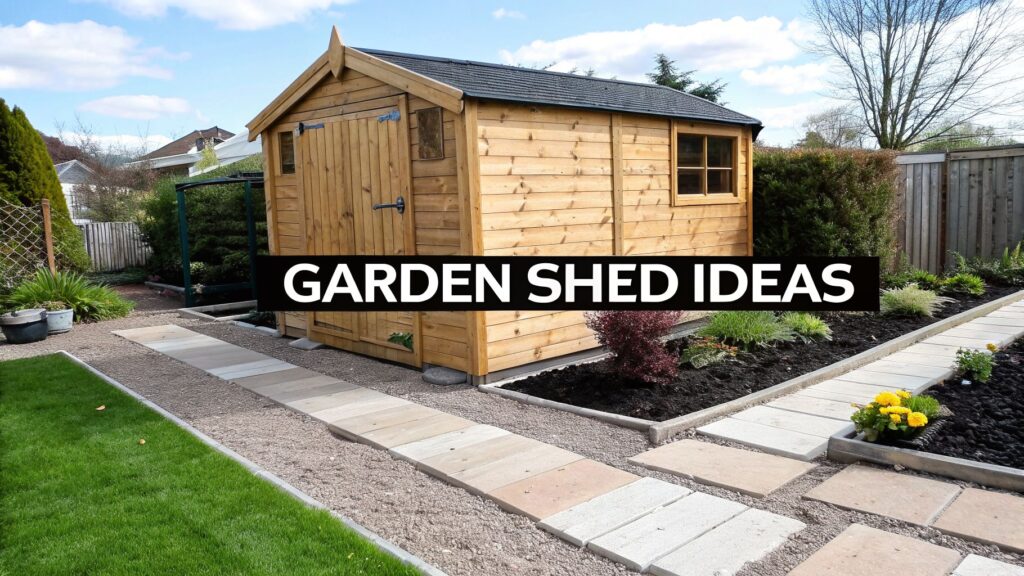
Match the Layout to Your Lifestyle
The right garden shed plan depends on more than the number of tools you own. It should support the activities you enjoy and the way your household uses the yard.
An active gardener may need a workbench, potting area, wall hooks, shallow shelving, and easy access to the garden. A family with children may want separate zones for bicycles, outdoor toys, sports equipment, and lawn-care supplies.
A homeowner who works on equipment may need a wider shed with strong lighting, electrical planning, and room to move around a central project. Someone who mainly wants seasonal storage may benefit from overhead shelving and double doors that make it easier to move bulky patio furniture.
Think about frequency of use as well. Items used weekly should remain near the entrance. Holiday decorations and off-season equipment can be stored higher or farther toward the back.
Planning the interior before buying the shed can help you select a design that supports your routine instead of forcing your routine to fit the building.
Choose Doors Based on What Must Pass Through Them
Door placement is one of the most important parts of garden shed planning. A beautiful structure can become inconvenient if the opening is too narrow or faces the wrong direction.
Double doors are useful for riding mowers, lawn tractors, wheelbarrows, and large equipment. A single side door may provide convenient access to hand tools without opening the main entrance every time.
Some homeowners benefit from having doors on two sides of the building. This can create separate access points for gardening tools and larger equipment. It may also prevent frequently used items from becoming trapped behind seasonal storage.
Consider the ground immediately outside each doorway. You may need space for a ramp, step, or path. The shed should be positioned so the doors can open fully without hitting a fence, garden bed, tree, or other structure.
These decisions should be made before the foundation is installed because the building’s position and door locations may affect the final site layout.
Think About Windows, Light, and Ventilation
Windows can make a garden shed feel brighter and more comfortable, especially when it will be used as a potting shed, workshop, or hobby space. They can also reduce the need for artificial lighting during the day.
However, windows take up wall space that might otherwise be used for shelving or tool storage. They may also affect security if valuable equipment is visible from outside.
The right balance depends on how the shed will be used. A basic equipment shed may need only small windows or vents, while a gardening workspace may benefit from larger windows near a bench.
Ventilation also matters. Outdoor buildings can become hot and humid, particularly during summer. Proper airflow may help control condensation and keep the interior more comfortable.
Discuss window, vent, and electrical options with the shed builder before finalizing the plan. Firm Foundations specializes in preparing the site and constructing the foundation, while the shed manufacturer or builder should guide decisions involving the building’s structure and features.
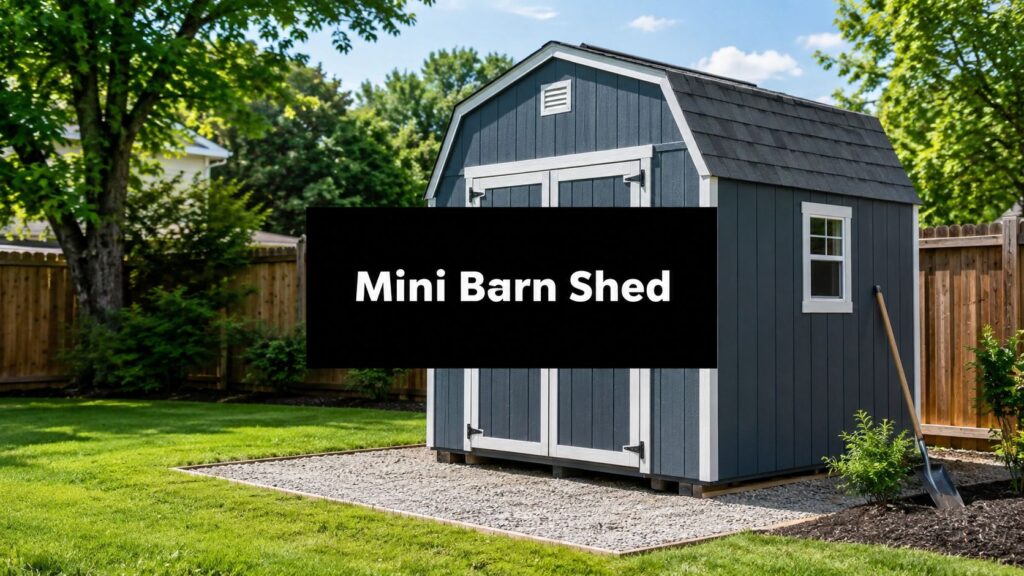
Select a Location That Works Year-Round
The location that looks best from the house is not always the best location for the shed.
Watch how water moves across your property during heavy rain. Avoid natural low areas where runoff collects. Constant moisture around the building can contribute to muddy access, erosion, and deterioration of wooden components.
The location should also be accessible to the shed delivery company and the foundation installation crew. Narrow gates, overhead wires, steep slopes, septic systems, trees, fences, and tight turns can affect whether equipment can safely reach the site.
Think about convenience throughout the year. A shed that is easy to reach in summer may become difficult to access when the ground is wet, snowy, or frozen. A practical path from the house, driveway, or garden can make the building far more useful.
Local setback and permit requirements should also be checked before choosing a final location. Regulations vary between municipalities and may depend on the shed’s size, height, placement, and intended use.
Make the Foundation Part of the Shed Plan
The foundation should not be treated as an afterthought. Even well-designed garden shed plans can fail to perform properly if the building is placed on unstable or poorly drained ground.
A foundation helps keep the shed level, separates it from damp soil, and distributes the building’s weight across a prepared surface. Without proper support, the shed may settle unevenly. Doors can begin to bind, floors may feel unlevel, and the frame may shift over time.
Firm Foundations installs professionally prepared gravel pads and concrete foundations for sheds and other outdoor structures. The company has been serving property owners and working with shed builders since 2011.
The best foundation depends on the shed’s size, weight, construction, and intended use. Ground conditions and the shed manufacturer’s requirements should also be considered.
When a Gravel Pad Fits the Plan
A gravel pad is a strong option for many traditional garden and storage sheds. Clean stone provides a stable surface while allowing water to drain away from the underside of the structure.
Firm Foundations’ gravel pad process includes basic site grading, placing 4-by-6 perimeter timbers, anchoring the timbers with rebar, pinning the corners with galvanized spikes, and filling the area with leveled 3/4-inch clean stone.
The company generally recommends making the foundation two feet longer and two feet wider than the shed. For example, a 10-by-16 shed would typically be placed on a 12-by-18 pad.
This extra space creates a clean border around the structure, limits vegetation near the walls, and provides room for roof runoff to drain rather than landing directly against the shed.
Gravel pads are commonly suited to garden sheds used for tools, lawn equipment, bicycles, general storage, and similar residential purposes.
When Concrete May Be the Better Choice
A concrete foundation may be appropriate for a larger, heavier, or more permanent structure. It may also make sense when the building will function as a substantial workshop or hold heavy equipment.
Concrete provides a solid surface, but it is not automatically the right choice for every garden shed. Some prefabricated buildings are specifically designed to sit on runners over a gravel foundation.
Before choosing concrete, confirm the foundation requirements with the shed manufacturer. The building’s design, local codes, soil conditions, drainage, and intended use can all influence the decision.
Firm Foundations offers both gravel pads and concrete foundation services, allowing the base to be selected according to the project rather than applying the same solution to every structure.
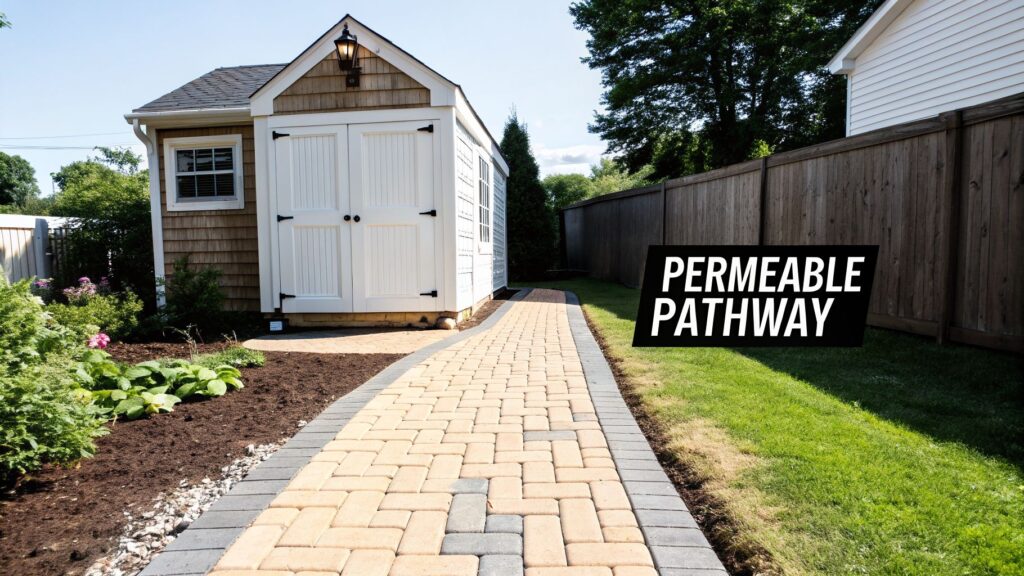
Plan the Foundation Before Ordering the Shed
Ideally, the foundation should be selected and scheduled before the shed delivery date.
Ask the shed builder for the exact outside dimensions, runner orientation, recommended base type, and delivery requirements. Do not depend solely on a model name such as “12-by-16 shed,” because construction details can vary between manufacturers.
The foundation installer should know the shed dimensions, building type, door locations, intended use, and approximate delivery date. Photographs of the yard and access route may also help identify potential site challenges.
Firm Foundations works within approximately 90 miles of its Honey Brook, Pennsylvania location, serving areas throughout Pennsylvania, Maryland, Delaware, and New Jersey. Its services in the region include gravel pads, concrete foundations, and excavation work.
Planning the foundation early gives everyone involved a clearer understanding of the project and reduces the risk of scheduling conflicts or last-minute site problems.
Do Not Forget Future Storage Needs
A shed that meets today’s needs may feel too small in a few years. Before committing to a design, think about future equipment purchases, changes in hobbies, and how your outdoor space may evolve.
You may eventually purchase a larger mower, add bicycles, start gardening more seriously, or need storage for children’s outdoor equipment. A small amount of extra square footage can provide valuable flexibility.
Future access matters too. Shelving, ramps, paths, and landscaping may be added after the shed is installed. Leave enough space around the foundation to maintain the structure and make future improvements without disturbing the base.
It may cost more to choose a larger design and foundation initially, but replacing or expanding an undersized shed can be considerably more disruptive.
Build the Shed Around the Way You Live
The best garden shed plans are not simply the plans with the most attractive exterior. They are the ones that make everyday tasks easier.
A useful shed provides enough room for your equipment, places doors where they are needed, supports safe movement, and sits in a location that remains accessible throughout the year. It should also rest on a stable foundation suited to the building and the property.
Firm Foundations helps homeowners prepare properly graded gravel pads and concrete foundations before their sheds arrive. Customer reviews frequently highlight the company’s communication, punctuality, workmanship, leveling, and jobsite cleanup.
Once you have selected a garden shed plan, request a free foundation quote before scheduling delivery. Starting with the right base will help your new shed remain level, functional, and ready to support your storage and lifestyle needs for years to come.
Firm Foundations LLC
https://maps.app.goo.gl/Uf6XdgtpBTETgNrr7
1535 White School Rd, Honey Brook, PA 19344, United States
(717) 716-7267
https://shedpads.com/