
Foundation Builds


Table of Contents
ToggleFoundation Builds: Comparing Concrete, Gravel, and Block Options
Every successful construction project begins from the ground up. A strong base ensures the safety, stability, and longevity of everything built above it. Without a proper foundation, even the most beautifully designed structure will eventually succumb to shifting soil, moisture damage, and structural failure.
When planning your next build, selecting the right foundation material is one of the most critical decisions you will make. The three primary options—concrete, gravel, and block—each offer unique benefits and present specific challenges depending on your project’s scope, budget, and environmental conditions.
At Firm Foundation, we understand that no two construction projects are identical. As your partner in construction, our team of experts is dedicated to helping you navigate these foundational choices. This guide will walk you through the specifics of concrete, gravel, and foundation builds, ensuring your next build rests on solid ground.
Concrete Foundations: The Gold Standard
Concrete is widely considered the go-to material for modern construction. Its sheer strength and adaptability make it a staple in both residential and commercial building projects.
What is a Concrete Foundation?
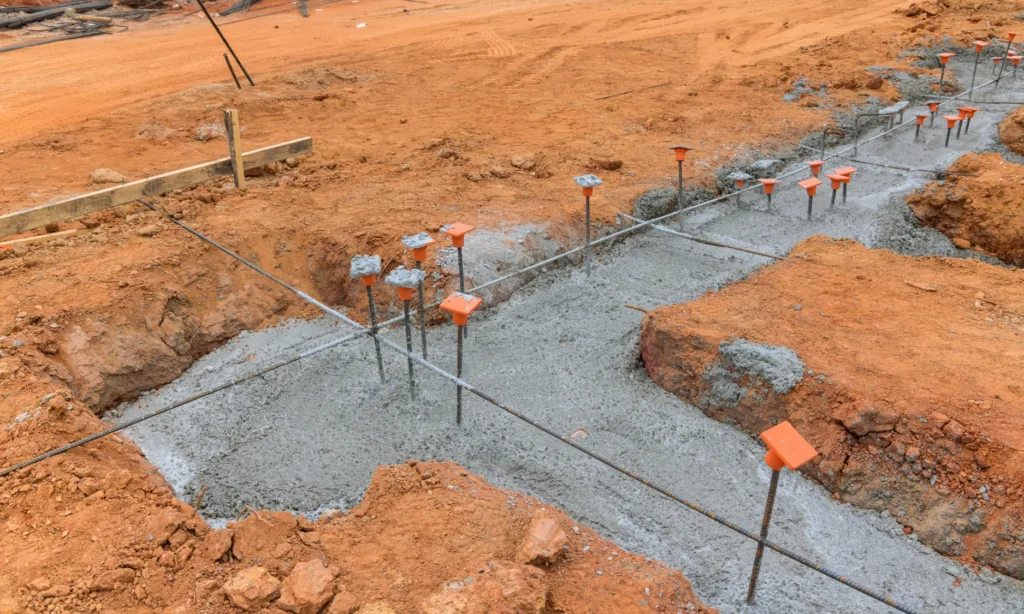
A concrete foundation is created by pouring a mixture of cement, sand, gravel, and water into forms, which then cures into a solid mass. There are a few common variations:
Slab-on-Grade: A single layer of concrete poured directly on the ground, often used in warmer climates where the ground does not freeze.
T-Shaped Foundations: Used in areas where the ground freezes. A footing is placed below the frost line, and walls are added on top.
Frost-Protected Shallow Foundations: These use insulated concrete to protect against freezing temperatures without requiring deep excavation.
Advantages of Concrete Foundations
Durability and Longevity: Poured concrete is incredibly strong and can last for decades without degrading.
Pest and Moisture Resistance: A solid, seamless pour leaves no room for insects to enter, and when properly sealed, it provides an excellent barrier against groundwater.
Fire Resistance: Concrete is non-combustible, adding a significant layer of safety to your building.
Thermal Mass Benefits: Concrete absorbs and retains heat, which can help regulate indoor temperatures and lower energy costs.
Disadvantages of Concrete Foundations
Cost and Installation Time: Poured concrete requires heavy machinery, skilled labor, and significant curing time, making it one of the more expensive options.
Potential for Cracking: Over time, settling soil and extreme temperature fluctuations can cause concrete to crack, requiring repairs.
Environmental Impact: The production of cement is highly energy-intensive and contributes significantly to global carbon emissions.
When to Choose Concrete
Concrete is the ideal choice for heavy, permanent structures such as family homes, large commercial buildings, and multi-story complexes. It is especially useful in areas with high moisture content where a seamless barrier is required.
Gravel Foundations: The Permeable Choice
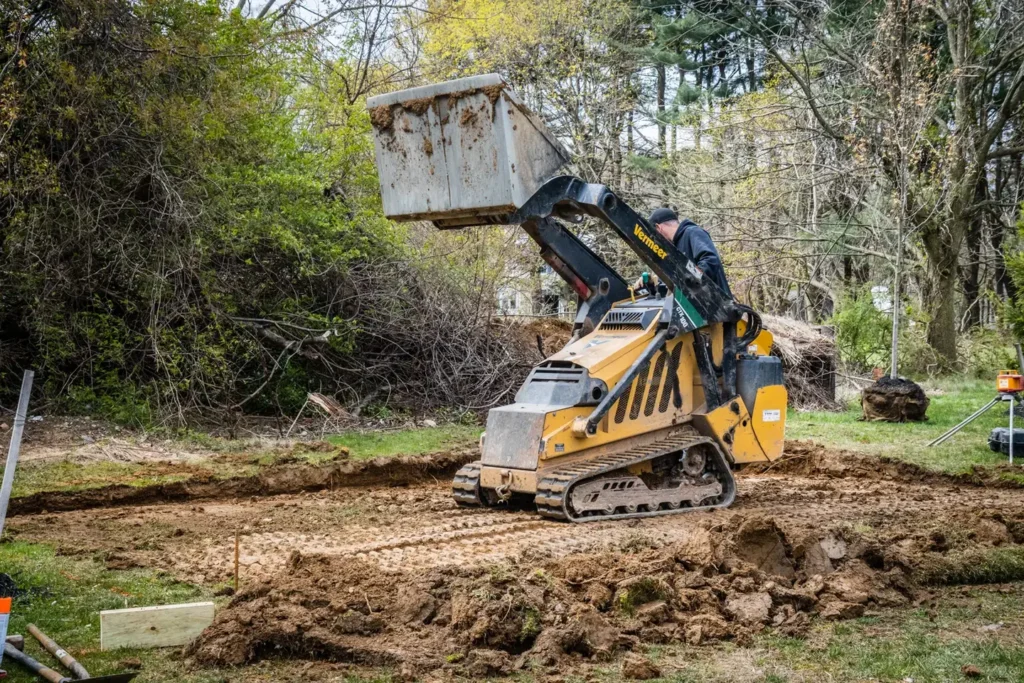
Gravel foundations offer a completely different approach to establishing a base for a structure. Instead of a rigid mass, gravel provides a flexible, permeable layer that works harmoniously with the earth.
What is a Gravel Foundation?
A gravel foundation consists of crushed stone layered and compacted to create a level surface. Common applications include:
Compacted Gravel Base: A simple, leveled bed of crushed stone often used for sheds, detached garages, and small cabins.
Post and Pier with Gravel: Wooden posts or concrete piers are set into the ground, surrounded and supported by compacted gravel for added drainage and stability.
Advantages of Gravel Foundations
Excellent Drainage and Moisture Control: Water flows easily through the crushed stone, preventing pooling and protecting the structure above from rot and water damage.
Cost-Effective and Easier Installation: Gravel requires less specialized equipment and zero curing time. It is significantly cheaper and faster to install than concrete.
Environmental Friendliness: Using locally sourced stone requires less manufacturing energy than concrete production.
Flexibility for Smaller Structures: The shifting nature of gravel allows it to adapt slightly to ground movement without breaking or cracking.
Disadvantages of Gravel Foundations
Less Structural Rigidity: Gravel cannot support the massive weight of multi-story homes or heavy commercial buildings.
Susceptibility to Shifting: Heavy rains and erosion can cause the gravel base to migrate over time, leading to an uneven structure.
Limited Applications: It is generally restricted to lightweight, non-permanent, or semi-permanent outbuildings.
When to Choose Gravel
Opt for a gravel foundation when building sheds, greenhouses, small barns, or tiny homes. It is highly recommended in areas prone to heavy rainfall where water runoff and drainage are primary concerns.
Block Foundations: Versatility and Tradition
Before poured concrete became the industry norm, block foundations were the primary method for creating strong, reliable basements and crawlspaces. Today, they remain a highly viable and versatile option.
What is a Block Foundation?
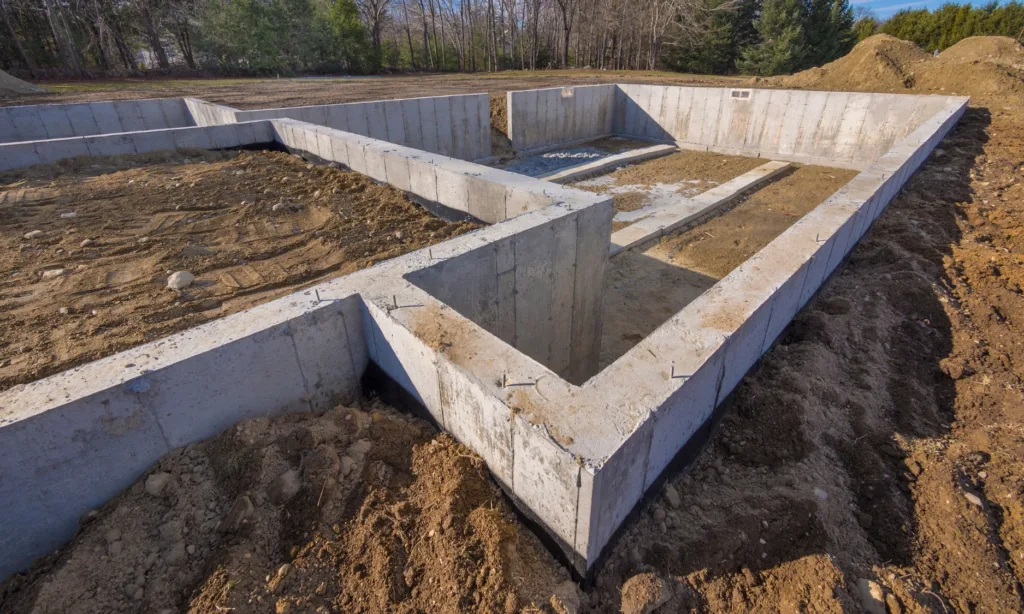
This foundation type is constructed using individual blocks bound together with mortar.
Concrete Masonry Units (CMU): The standard hollow cinder blocks used in traditional masonry.
Stacked Block Systems: Blocks stacked and sometimes reinforced with rebar and filled with poured concrete for added strength.
Advantages of Block Foundations
Versatility and Adaptability: Blocks can be laid in various configurations to accommodate complex building layouts.
Relatively Quick Installation: While it requires skilled labor, a block foundation can be erected faster than waiting for a massive concrete slab to cure.
Cost-Effective for Certain Projects: Transporting blocks is often easier and cheaper than organizing a fleet of cement trucks, especially in remote locations.
Ease of Repair: If a section of the foundation is damaged, individual blocks can sometimes be replaced or patched without compromising the entire structure.
Disadvantages of Block Foundations
Water Seepage Issues: The numerous mortar joints create potential weak points where groundwater can seep in if not meticulously waterproofed.
Less Strength Compared to Poured Concrete: The joints make block walls slightly more susceptible to bowing from soil pressure.
Requires Skilled Masonry Work: Poorly laid mortar will lead to a rapid failure of the foundation, making experienced masons an absolute necessity.
When to Choose Block
Block foundations are excellent for constructing basements, crawlspaces, and retaining walls. They are also highly practical for building sites that are difficult for heavy cement trucks to access.
Comparative Analysis: Concrete vs. Gravel vs. Block
Selecting the right material requires weighing various factors against the specific needs of your project.
Cost Comparison: Initial vs. Long-Term
Gravel is incredibly cost-effective upfront but may require eventual leveling or replacement. Concrete has the highest initial cost but offers the longest lifespan with minimal maintenance. Block sits comfortably in the middle, offering a balance of reasonable upfront costs and reliable long-term durability.
Durability and Lifespan
Poured concrete leads the pack in terms of overall strength and longevity. Block is a close second, provided the mortar joints are properly maintained. Gravel has the shortest lifespan but can easily be replenished over time.
Installation Complexity and Time
Gravel is the fastest and simplest to install. Block requires highly skilled masonry work but avoids the curing delays of concrete. Poured concrete involves heavy machinery, extensive formwork, and significant curing time.
Environmental Considerations
Gravel is the most eco-friendly option due to its natural state and permeability. Block and concrete both carry heavy carbon footprints due to cement production, though concrete’s thermal mass can save on long-term energy usage for the building.
Firm Foundation’s Holistic Approach to Selection
At Firm Foundation, we do not believe in a one-size-fits-all approach. We analyze your specific site conditions, budget constraints, and structural requirements to recommend the exact material that will serve you best.
Factors to Consider When Choosing Your Foundation
Before breaking ground, several key variables must be evaluated to ensure a successful build.
Soil Type and Site Conditions
Expansive clay soils may crack a poured concrete slab, making block or specialized concrete footings necessary. Sandy or well-draining soils might be perfect for simpler concrete or gravel setups.
Climate and Weather Patterns
Regions with deep frost lines require foundations that extend below the freezing point, making T-shaped concrete or block walls necessary. High-rainfall areas demand the superior drainage offered by gravel or heavily waterproofed concrete.
Building Size and Weight
A two-story brick home requires the immense load-bearing capacity of poured concrete or reinforced block. A wooden storage shed functions perfectly on a simple compacted gravel bed.
Budget and Timeline
Tight budgets and fast turnaround times lean favorably toward gravel or block. Projects with ample funding and flexible schedules allow for the robust installation of poured concrete.
Local Building Codes and Regulations
Municipalities have strict codes regarding foundation depth, materials, and load capacities. Your choices will often be dictated by these legal requirements.
Consulting with Firm Foundation Experts
Navigating soil reports, structural loads, and building codes can be overwhelming. The experts at Firm Foundation are equipped to handle these complex assessments, ensuring your build is compliant, safe, and sound.
The Firm Foundation Difference
When you choose to build with Firm Foundation, you are partnering with a construction company that prioritizes structural integrity above all else.
Our Expertise in All Foundation Types
From leveling a gravel base for a suburban outbuilding to pouring complex concrete structures for commercial developments, our team possesses deep expertise across all materials and methods.
Commitment to Quality and Durability
We never cut corners. We use premium materials, adhere to the strictest safety standards, and employ master craftsmen to ensure your foundation is built to last a lifetime.
Tailored Solutions for Every Project
We listen to your vision and evaluate your site to provide a customized foundation plan. Our holistic approach guarantees a base that perfectly supports your specific structural and financial goals.
Build Your Future on Solid Ground
Choosing between concrete, gravel, and block is not just a matter of preference. It is a calculated decision based on weight, weather, soil, and budget. Concrete offers unmatched strength for heavy structures. Gravel provides an affordable, highly drainable base for smaller builds. Block delivers a versatile, traditional approach perfect for basements and hard-to-reach job sites.
The success of your construction project hinges on making the right choice from day one. Professional guidance is not just a luxury; it is a necessity for a safe and enduring build.
Are you ready to break ground on your next project? Contact Firm Foundation today to schedule a site evaluation and let our experts help you choose the perfect foundation for your specific needs.
Firm Foundations LLC
https://maps.app.goo.gl/Uf6XdgtpBTETgNrr7
1535 White School Rd, Honey Brook, PA 19344, United States
(717) 716-7267
https://shedpads.com/