
DIY Sheds
DIY Sheds: Affordable Builds That Add Value to Your Home
A backyard shed is no longer just a dusty storage locker for lawnmowers and forgotten holiday decorations. Today, it’s a versatile extension of the home—transforming into a quiet home office, an art studio filled with natural light, a well-organized workshop, or even a cozy retreat steps away from the back door. With thoughtful planning and the right approach, a simple structure can become one of the most valuable and functional spaces on your property.
If you’ve been considering building your own shed, this guide is designed to empower you with the knowledge to do it right. From selecting the ideal location and choosing durable materials to understanding local building codes and ensuring a solid foundation, every step plays a critical role in the final result. A high-quality DIY shed isn’t just about saving money—it’s about creating a structure that is safe, weather-resistant, and built to last.
By approaching your project with careful planning and practical know-how, you can confidently design, construct, and finish a shed that meets your needs and complements your home. Whether you envision a productive workspace or a peaceful backyard escape, your DIY shed project can turn that vision into a functional, cost-effective reality.
Strategic Planning and Legal Compliance
Navigating Zoning Laws and HOA Restrictions
It is imperative to check local municipal codes regarding structure size, height, and setback requirements before purchasing materials or breaking ground. Many jurisdictions allow small sheds without a permit, but larger structures often require detailed plans and inspections to ensure safety. Additionally, homeowners in managed communities must consult Homeowner Association (HOA) guidelines, which may dictate aesthetic choices like color, siding material, and roof pitch to ensure the new structure blends seamlessly with the existing neighborhood character.
Selecting the Optimal Location
Evaluating the backyard for drainage patterns, sunlight exposure, and accessibility is crucial for long-term satisfaction with the shed. Placing a shed in a low-lying area where water collects can lead to premature rotting of wood components and foundation instability. Furthermore, consider the intended use; a potting shed or art studio benefits from ample southern light, while a storage shed requires easy access for moving large equipment like riding mowers or snowblowers without obstruction.
Determining Purpose and Size Requirements
Defining the primary function of the shed—whether it is strictly for storage or intended as habitable living space—dictates insulation needs, electrical requirements, and necessary square footage. A simple storage unit for garden tools may only require basic single-wall construction, whereas a home office necessitates a more robust building envelope with insulation and moisture control.
Foundation Options for Longevity
The Simplicity of Crushed Stone Pads
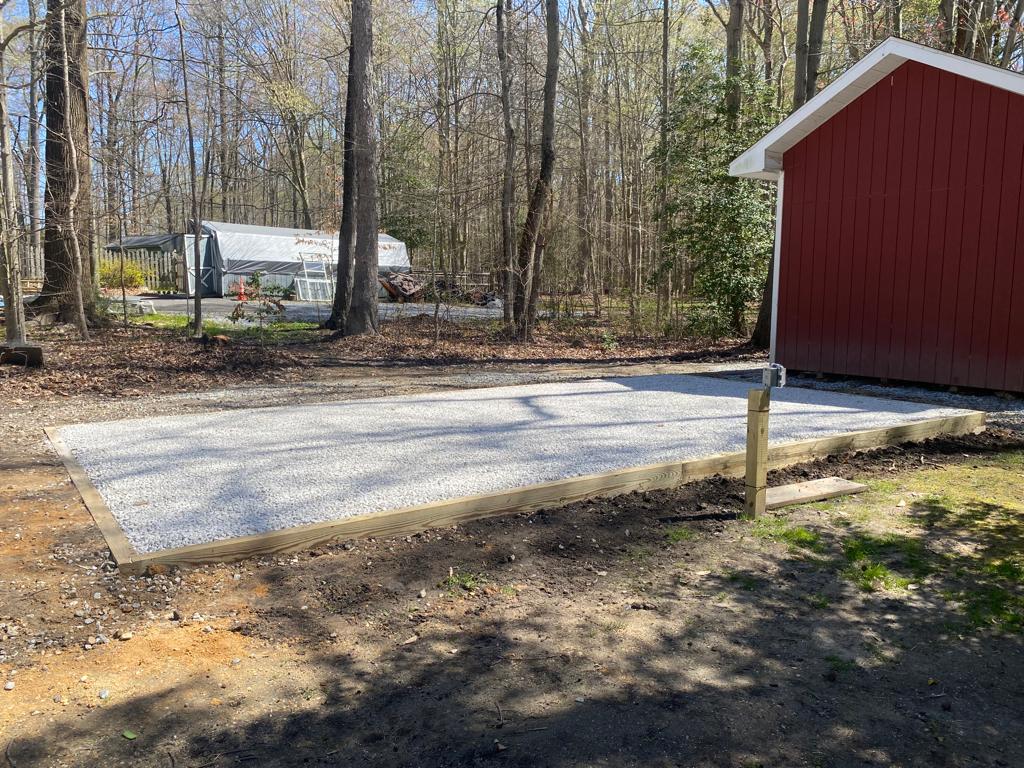
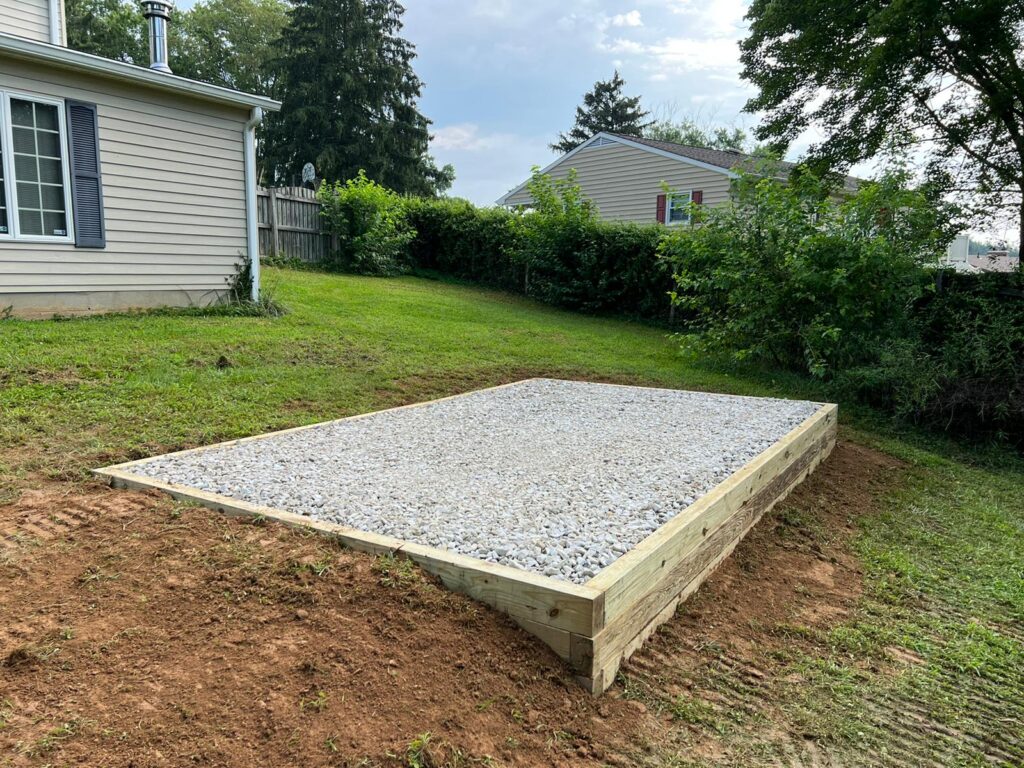
Installing a gravel pad is often the most cost-effective solution for small to medium-sized DIY sheds, providing excellent drainage and a stable base. This method involves excavating the topsoil, laying a weed barrier, and spreading a layer of crushed stone, which locks together to support the shed’s weight while allowing water to flow through freely.
Concrete Slab vs. Pier Foundations
For larger structures or those housing heavy equipment, a poured concrete slab offers superior permanence and load-bearing capacity compared to other options. While a slab acts as both the foundation and the floor, it requires more labor and expense to install correctly. Alternatively, concrete piers or deck blocks offer a simpler, adjustable solution that elevates the shed for ventilation, making them ideal for sloped sites where pouring a level slab would be logistically difficult or prohibitively expensive.
Anchoring Systems for High-Wind Areas
Anchoring the shed frame to the foundation is a non-negotiable step in regions prone to strong storms, preventing structural shifting or tipping during high-wind events. Various systems exist, from J-bolts embedded in concrete slabs to auger-style anchors driven into the earth for gravel pads. Proper anchoring ensures the structure remains safe and secure, protecting both the investment and surrounding property from damage caused by severe weather conditions.
Material Selection: Balancing Cost and Quality
Framing Lumber: Treated vs. Untreated
Using pressure-treated lumber is essential for any wood in direct contact with masonry or close to the ground, such as skids, floor joists, and bottom plates. These components are highly susceptible to rot and insect damage, and treated wood provides the necessary chemical resistance to withstand these threats. For wall studs, roof rafters, and top plates that remain dry, standard spruce-pine-fir (SPF) framing lumber is an acceptable and economical choice that reduces overall project costs without compromising structural integrity.
Siding Options for Curb Appeal
Selecting the right siding involves evaluating popular materials such as T1-11 plywood, vinyl, and fiber cement in terms of cost, installation difficulty, and maintenance requirements. T1-11 is a favorite for budget-conscious DIY sheds because it serves as both structural sheathing and siding, though it requires regular painting to prevent water damage. Conversely, fiber cement offers exceptional durability and fire resistance but requires specialized tools for cutting and installation, while vinyl offers a low-maintenance finish that is easy to install but can be brittle in extreme cold.
Roofing Materials and Pitch
The choice of roofing material—whether asphalt shingles, metal roofing, or corrugated panels—must be compatible with the roof’s pitch to ensure effective water shedding. Asphalt shingles are affordable and easy to install but require a minimum slope to prevent leaks, whereas metal roofing sheds snow and rain efficiently even on lower-pitched roofs.
The Role of Professional Site Preparation: Firm Foundations LLC
Precision Excavation and Grading
Firm Foundations LLC utilizes professional-grade equipment to level the ground perfectly, preventing future settling issues that can warp the shed’s frame and jam doors. Attempting to level a site with manual tools is labor-intensive and often inaccurate, leading to high spots that create stress points on the floor system. Professional grading ensures the site is not only flat but also properly sloped to direct surface runoff away from the new structure.
Expert Gravel Base Installation
A compacted, limestone base that extends beyond the shed’s footprint provides a superior foundation that experts install to ensure drainage and stability. This specific type of gravel pad locks together tightly to support heavy loads while remaining permeable enough to prevent water accumulation beneath the floor. Extending the pad beyond the walls also keeps vegetation at bay and minimizes dirt splash-back, keeping the exterior clean and dry.
Preventing Rot with Proper Drainage Solutions
Professional site assessment can identify the need for French drains or retaining walls to divert water away from the structure, protecting the investment from moisture damage. In areas with high water tables or significant surface runoff, standard grading may not be sufficient to keep the foundation dry. Implementing these advanced drainage solutions during the site prep phase is far more effective and less costly than attempting to remediate water issues after the shed is built.
Framing Techniques for Structural Integrity
The Importance of 16-Inch On-Center Spacing
Standard framing practices for walls and roofs typically utilize 16-inch on-center spacing because it provides robust support for siding and drywall compared to wider spacing. This interval aligns perfectly with standard 4×8 sheet materials, minimizing waste and reducing the amount of cutting required during sheathing.
Constructing Rigid Door and Window Headers
Building substantial headers is necessary to transfer the weight of the roof around openings, ensuring that windows and doors operate smoothly without binding over time. A header typically consists of two pieces of dimensional lumber sandwiching a spacer, created to match the wall thickness and carry the load to the adjacent king and jack studs.
Truss Construction vs. Rafters
Deciding between building custom rafters or assembling trusses on the ground depends on the desired interior space and the builder’s skill level. Rafters allow for a vaulted ceiling and more overhead storage or headroom, ideal for lofts, but they require precise cuts and working at heights. In contrast, trusses can be mass-produced on the ground using a jig for consistency, offering a faster and structurally efficient method for spanning the roof, though they typically result in a flat ceiling and less usable attic space.
Weatherproofing and Exterior Finishing
Installing House Wrap and Flashing
Applying a moisture barrier, often called house wrap, beneath the siding provides a secondary line of defense against water that inevitably sneaks past the exterior cladding. Critical placement of metal flashing above doors, windows, and horizontal trim boards directs water out and over the siding rather than allowing it to seep behind.
Ventilation Strategies to Prevent Mold
Installing ridge vents, gable vents, or soffit vents allows hot, moist air to escape, preventing rot and keeping the interior temperature manageable. Without adequate airflow, condensation can form on the underside of the roof deck during temperature fluctuations, leading to mold growth and premature degradation of roofing materials. Proper ventilation creates a passive airflow system that draws cooler air in from the bottom and exhausts warm air out the top, protecting both the structure and its contents.
Painting and Sealing for Protection
Selecting high-quality exterior paints or stains and priming raw wood are essential steps to seal out moisture and protect the siding from UV damage. A premium acrylic latex paint or solid-color stain forms a flexible barrier that expands and contracts with the wood, resisting cracking and peeling. Regular maintenance, including re-sealing every few years, ensures the wood remains protected from the elements and maintains the shed’s aesthetic appeal.
Interior Customization and Value Add-Ons
Electrical Rough-In and Lighting
Planning for electrical service involves mapping out the placement of outlets, overhead lighting, and exterior security lights to maximize functionality. Even if the final connection is handled by a licensed electrician, roughing in the wiring before closing up the walls saves time and allows for cleaner installation. Adequate lighting transforms a dark storage locker into a usable workshop or studio, extending the hours of usability well into the evening or winter months.
Insulation and Interior Sheathing
Adding insulation, such as fiberglass batts or rigid foam board, and finishing the walls with plywood or drywall effectively transforms a shed into a comfortable four-season workspace. Insulation helps regulate interior temperatures, protecting sensitive equipment or stored items from extreme heat or cold. Sheathing the interior walls not only covers the insulation but also provides a finished look and a sturdy surface for mounting shelves, hooks, and tool organizers.
Smart Storage Solutions and Lofts
Building overhead lofts for seasonal storage and installing custom shelving or pegboards maximizes vertical space and keeps the floor area clear for larger items. Utilizing the space between the roof trusses for lightweight items like holiday decorations frees up valuable square footage below for workbenches or garden equipment. Custom-built storage solutions are often more efficient than store-bought units, as they can be dimensioned perfectly to fit the shed’s specific layout and the owner’s unique storage needs.
Build Value from the Ground Up
Building a DIY shed is a rewarding project that enhances storage capabilities and property value, provided it is built on a sound plan and a solid foundation. From navigating local zoning laws to selecting durable materials like pressure-treated lumber and high-quality siding, every decision impacts the longevity of the structure. However, the most critical component remains the site preparation. A level, well-drained base ensures that the framing remains square and the structure stands the test of time.
Whether you tackle the entire build yourself or need expert assistance with the critical ground preparation, starting with a stable base is key. Contact us today to discuss your site preparation needs and ensure your project starts on solid ground.
Firm Foundations LLC
https://maps.app.goo.gl/Uf6XdgtpBTETgNrr7
1535 White School Rd, Honey Brook, PA 19344, United States
(717) 716-7267
https://shedpads.com/