
Concrete Block Foundations
Table of Contents
ToggleConcrete Block Foundations: The Key to a Long-Lasting Shed
Every great structure starts from the ground up. If you are planning to add a shed to your backyard, you might easily get caught up in choosing the roof style, siding color, or interior shelving layout. Yet, the most critical component of your new storage space lies completely hidden beneath the floorboards. A weak base will eventually lead to sinking, rotting, and structural failure. Concrete block foundations provide the optimal choice for shed longevity and stability, offering numerous long-term benefits for homeowners.
The experts at the construction company Firm Foundation understand exactly what it takes to build a base that withstands the elements. Choosing the right support system guarantees your shed will remain secure, functional, and visually appealing for decades to come.
Why Your Shed Needs a Strong Foundation
Building a shed without a proper foundation is a recipe for premature deterioration. A sturdy base serves several vital functions that protect your investment and keep your belongings safe.
Protection from Moisture and Rot
Moisture is the natural enemy of any wooden structure. When a shed sits directly on the ground, the floor joists absorb water from the soil. This constant exposure inevitably leads to wood rot, mold growth, and a weakened floor structure. Elevating the shed using a solid base creates a crucial barrier against ground moisture.
Furthermore, this elevation prevents pest infestations. Termites, carpenter ants, and burrowing rodents look for easy access to dark, damp wood. Lifting the shed off the earth removes their natural habitat, preserving the structural integrity of your building and keeping your stored items safe from damage.
Stability and Leveling
The ground in your backyard is rarely as solid or level as it appears. Soil naturally shifts, settles, and erodes over time due to rain, freezing temperatures, and changing seasons. Without a proper foundation, your shed will shift right along with it.
An uneven shed causes significant functional problems. Doors will begin to stick or refuse to close entirely. Windows might crack from the uneven pressure. A strong foundation distributes the weight of the shed evenly across the ground, preventing shifting and settling. This ensures your doors and windows operate smoothly year after year.
Increased Property Value
A well-built, aesthetically pleasing shed serves as a valuable asset to your property. Potential homebuyers appreciate functional outdoor storage space, provided it is well-maintained and structurally sound.
The foundation plays a massive role in this perceived value. A shed resting directly on dirt or rotting wood looks like a future liability to a buyer. A shed resting on a professionally installed foundation signals quality craftsmanship and responsible home maintenance.
Understanding Concrete Block Foundations
When evaluating foundation options, concrete blocks consistently rise to the top for residential sheds. But what exactly makes them so special?
What are Concrete Blocks?
Concrete blocks, often referred to as concrete masonry units (CMUs), are large rectangular bricks used heavily in construction. They are created through a manufacturing process that mixes Portland cement, water, sand, and gravel. The mixture is poured into molds, compacted with extreme vibration, and then cured to achieve massive compressive strength.
There are different types of concrete blocks suitable for foundations. Solid concrete blocks provide incredible density and load-bearing capacity, making them ideal for heavy storage buildings. Hollow-core blocks are also widely used; they are lighter to handle and can be reinforced with rebar and poured concrete for added vertical strength.
Advantages of Concrete Block Foundations for Sheds
Choosing concrete blocks brings several distinct advantages to your backyard project:
Durability and Longevity: Concrete blocks are built to last. They do not rot, rust, or degrade when exposed to the elements, ensuring your foundation outlives the shed itself.
Cost-Effectiveness: Compared to pouring a full concrete slab, block foundations are a smart investment. They require less raw material and labor, keeping your project budget-friendly without sacrificing strength.
Ease of Installation: While a full slab requires heavy concrete trucks, forms, and extensive curing times, concrete blocks are relatively easy to install. They can be placed, leveled, and adjusted much faster than poured alternatives.
Resistance to Pests and Rot: Concrete is completely impervious to termites and fungi. By resting your shed on blocks, you eliminate the food source that pests seek out.
Excellent Drainage Properties: Block foundations elevate the shed floor above the ground. This gap allows air to circulate freely underneath the structure, drying out any residual moisture and preventing dampness from seeping into the wooden floor joists.
Comparison with Other Foundation Types
To truly appreciate concrete blocks, it helps to briefly compare them to the alternatives.
Skids/Pressure-Treated Wood: Resting a shed on wooden skids is the cheapest method, but it has severe limitations and drawbacks. Even pressure-treated wood will eventually rot when placed in direct contact with damp soil.
Concrete Slabs: A poured concrete slab is the strongest foundation available, but it is often overkill for a standard storage shed. Slabs are expensive, require heavy machinery, and can be difficult to remove if you ever decide to redesign your backyard.
Gravel Pads: Crushed stone or gravel pads offer good drainage and are relatively inexpensive. However, without a retaining border, the gravel can wash away during heavy storms, leading to uneven settling.
The Firm Foundation Approach to Concrete Block Foundations
At Firm Foundation, we have refined the process of building concrete block foundations down to a science. Our construction company takes pride in delivering flawless results that guarantee the longevity of your shed.
Initial Consultation and Site Assessment
Every great project begins with a conversation. We start by understanding your specific needs, the dimensions of your shed, and the intended use of the building. A shed holding light gardening tools requires a different load capacity than one housing heavy riding mowers. Next, we conduct a thorough site assessment. We evaluate your soil conditions, check for hidden utility lines, and analyze the natural drainage patterns of your yard to prevent future water pooling.
Design and Planning
Once we have the site data, our team gets to work on design and planning. We create custom foundation designs tailored precisely to your shed. We map out the optimal spacing for the concrete blocks to provide maximum support to the floor runners. We also ensure full compliance with local building codes, handling any necessary permits so you do not have to worry about bureaucratic red tape.
The Construction Process: Step-by-Step with Firm Foundation
When construction day arrives, our crew executes the plan with precision and efficiency.
Site Preparation and Excavation
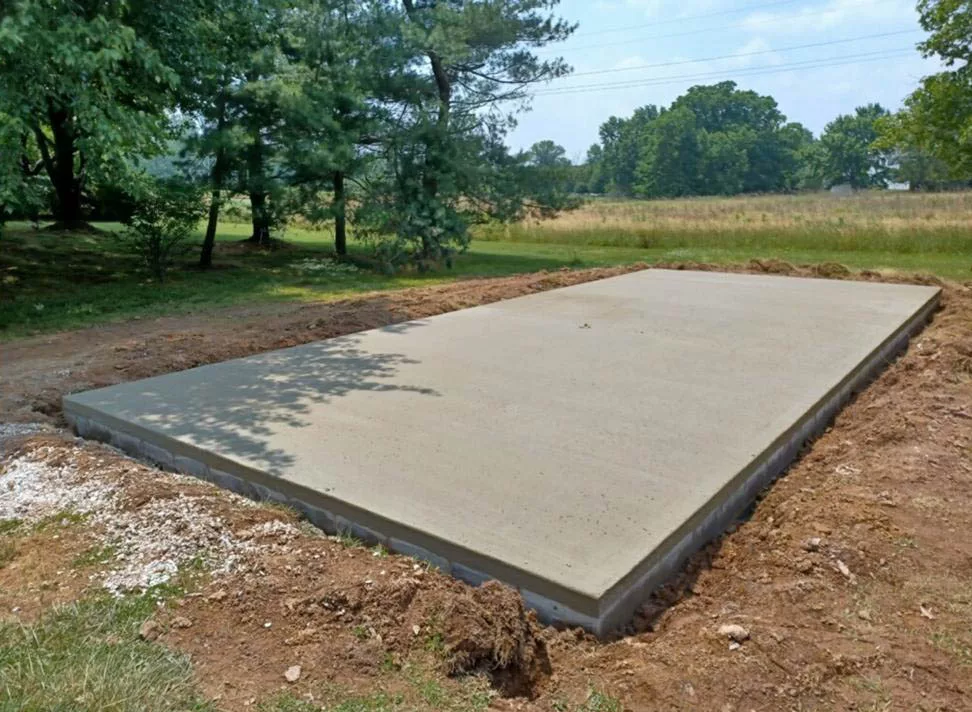
We clear the area of grass, debris, and topsoil. We excavate a shallow trench where the foundation will sit, ensuring we reach stable, undisturbed soil.
Laying the Gravel Base
We add a thick layer of crushed gravel into the excavated area. We tamp this base down vigorously to create a solid, well-draining sub-base that will not shift under pressure.
Placing and Leveling Concrete Blocks
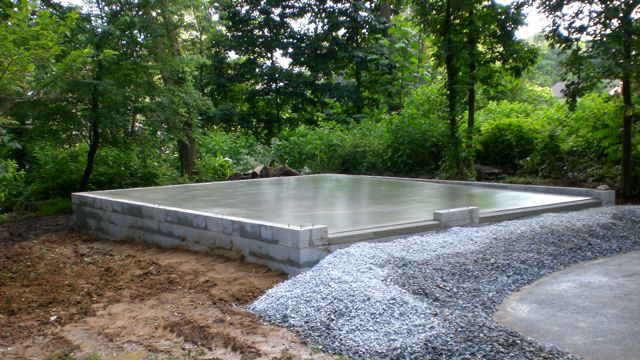
This is where precision matters most. We carefully place the concrete blocks on the gravel bed. Using laser levels and string lines, we adjust each block until the entire grid is perfectly level, down to the millimeter.
Mortaring and Reinforcement
Depending on the slope of your yard and the size of the shed, Firm Foundation may use mortaring and reinforcement techniques. We can lock the blocks together with mortar or drive rebar through hollow blocks to anchor them firmly into the earth.
Backfilling and Finishing Touches
Finally, we backfill around the blocks with additional gravel or soil to secure them in place. We clean up the job site, leaving you with a pristine, level foundation ready for your shed delivery.
Quality Assurance and Guarantees
We stand behind our work. Firm Foundation provides comprehensive quality assurance on every job. We perform a final rigorous inspection to verify that the block foundation meets our strict internal standards. Our construction company also offers robust guarantees, giving you total peace of mind that your foundation will not fail.
DIY vs. Professional Installation
With the abundance of online tutorials, many homeowners consider tackling a foundation project themselves. While possible, it is essential to weigh the realities of the work involved.
When to Consider DIY
If you are building a very small, lightweight tool shed that does not require a building permit, a DIY foundation might be feasible. Placing a few concrete blocks on a flat, even patch of ground is manageable for an experienced weekend warrior with a strong back and a good level.
The Benefits of Hiring a Professional
For anything larger than a basic garden closet, hiring a professional construction company like Firm Foundation is highly recommended.
Expertise and Experience: Professionals know how to read the landscape. They anticipate soil shifting, recognize drainage issues, and avoid the common leveling mistakes that plague amateur builders.
Time and Efficiency: Digging trenches and hauling heavy concrete blocks is grueling physical labor. A professional crew gets the job done correctly in a fraction of the time it takes a homeowner.
Proper Tools and Equipment: From laser levels to heavy-duty tampers, professionals have the specialized equipment required to create a perfect base.
Long-term Peace of Mind: A mistake in the foundation ruins the entire shed. Hiring experts ensures the job is done right the first time, backed by warranties that protect your investment.
Maintenance and Care for Your Concrete Block Foundation
Once your shed is resting safely on its new concrete block foundation, maintaining it is incredibly easy.
Take a walk around your shed a few times a year for a simple inspection. Look for any signs that the soil around the blocks is eroding or washing away. Check the blocks themselves for deep cracks or crumbling edges.
Addressing potential issues early is the key to preventing major damage. If you notice a block beginning to sink slightly, you can often lift that section of the shed with a jack and pack additional crushed stone underneath the block to re-level it. Finally, ensure proper drainage around the foundation. Make sure the gutters on your shed are functioning properly and direct rainwater far away from the concrete blocks so the earth beneath them remains stable.
Secure Your Shed’s Future Today
A high-quality shed is a major purchase that deserves a proper base. Setting your structure directly on the ground or on flimsy wooden runners is a recipe for rotting wood, jammed doors, and structural collapse. Concrete block foundations offer the ideal solution, providing incredible strength, excellent airflow, and unbeatable longevity at a cost-effective price point.
By utilizing proper site preparation, a tamped gravel base, and perfectly leveled concrete masonry units, you protect your shed from moisture and ground movement for decades to come.
Do not leave the stability of your new building to chance. Reach out to the experts at Firm Foundation for a professional consultation. Our construction company will assess your yard, design a custom base, and execute the build flawlessly. Contact Firm Foundation today and secure your shed’s future.
Firm Foundations LLC
https://maps.app.goo.gl/Uf6XdgtpBTETgNrr7
1535 White School Rd, Honey Brook, PA 19344, United States
(717) 716-7267
https://shedpads.com/