
Barn Shed
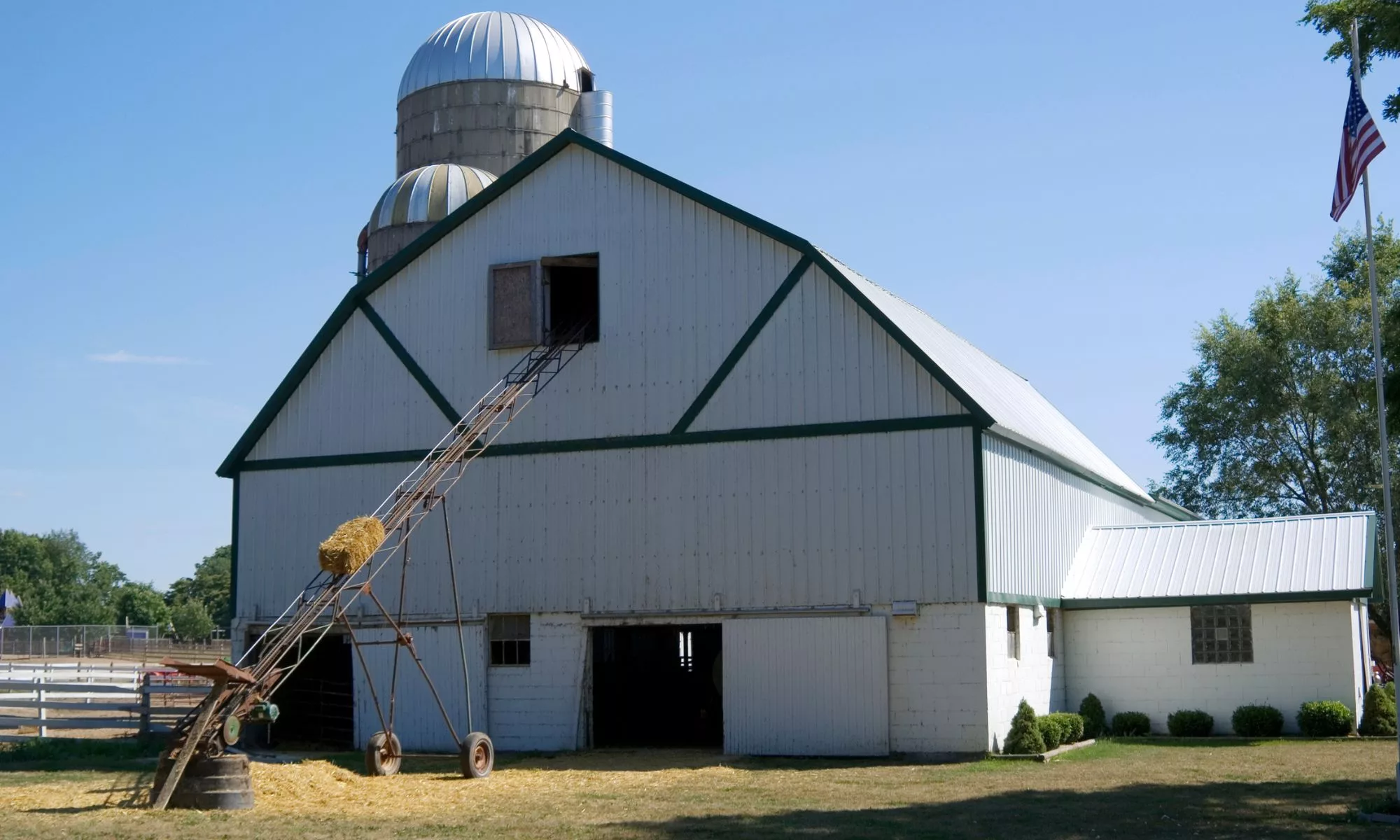
Barn Shed Building Guide: Everything You Need to Know Before You Start
The classic American barn is an icon of rural life, but you don’t need a sprawling farm to enjoy the aesthetic and utility of this architectural style. The “barn shed”—typically defined by its gambrel roof (two slopes on each side)—has become a favorite addition to modern residential properties. It offers significantly more overhead space than a standard gable shed, provides a rustic visual appeal, and maximizes storage capacity in a compact footprint.
Taking on a construction project like this is rewarding, but it requires careful planning. A barn shed is more than just four walls and a roof; it is an outbuilding that needs to withstand the elements, comply with local laws, and serve your specific needs for decades. Whether you are a DIY enthusiast ready to swing a hammer or a homeowner planning to hire a contractor, understanding the lifecycle of the build is essential.
This guide covers every phase of the process, from the initial sketches to the final coat of paint, ensuring your new structure is built to last.
Assessing Your Needs: Function Meets Form
Before you purchase a single piece of lumber, you must determine exactly what role this structure will play on your property. The versatility of the barn style means it can adapt to almost any purpose, but the intended use will dictate the size, insulation, and layout.
Pure Storage
If your primary goal is to declutter your garage, focus on volume. The gambrel roof design is superior for storage because it allows for a loft. You can store seasonal decorations, camping gear, or lumber in the overhead space while keeping the floor clear for lawnmowers, ATVs, or bicycles. For this use, you might prioritize wide double doors and sturdy flooring over windows and insulation.
The Workshop
Woodworkers, mechanics, and hobbyists often flock to barn sheds because the high ceilings make the space feel less claustrophobic. If this is your goal, you need to plan for electricity, adequate lighting, and ventilation. You might also need a reinforced floor to handle heavy machinery like table saws or engine hoists.
The Backyard Retreat
The “She Shed” or “Man Cave” trend has turned the humble shed into a livable extension of the home. If you plan to use the space as a home office, art studio, or gym, your planning must include insulation, drywall, climate control, and perhaps even plumbing. In this scenario, the aesthetic details—like windows, porches, and interior finishes—become just as important as the structural integrity.
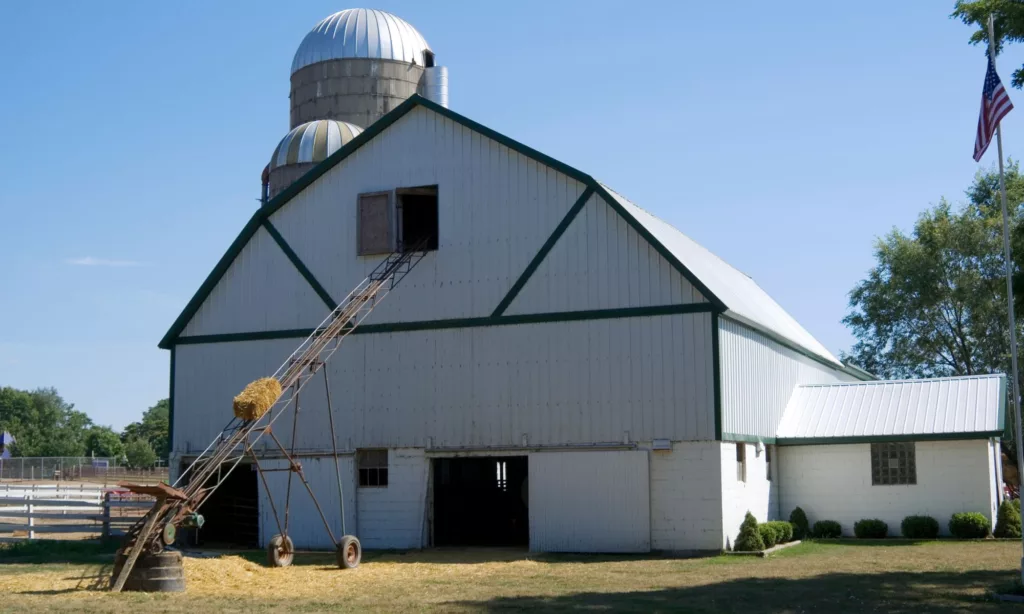
Location, Permits, and Zoning
One of the most common mistakes homeowners make is building a shed only to find out it violates a local ordinance. Before breaking ground, you must navigate the legalities of your property lines.
Zoning and HOAs
Check with your local building department regarding zoning laws. Most municipalities have restrictions on how close an outbuilding can be to the property line (known as setbacks) and how tall the structure can be. If you live in a neighborhood with a Homeowners Association (HOA), they may have strict guidelines on the color, material, and style of the shed to ensure it matches the main house.
Site Selection
Once you know the legal boundaries, look at the physical land. You want a site that is level and drains well. Avoid low-lying areas where water pools after a rainstorm, as this will accelerate rot and destabilize your foundation. Also, consider accessibility. If you are storing a riding mower, you need a clear path to the doors. If you are building a workshop, consider how far you will have to run electrical trenches from the main house.
The Foundation: Starting on Solid Ground
A shed is only as sturdy as the ground it sits on. The foundation transfers the weight of the structure to the earth and protects the wood from moisture. Skimping on this step is the fastest way to ensure your shed leans, sinks, or rots within a few years.
There are several foundation types to consider, ranging from simple gravel pads to complex concrete pours.
Concrete Slabs
For larger barn sheds installation or those housing heavy equipment, a concrete slab is the gold standard. It is permanent, pest-resistant, and can serve as the finished floor. However, it is also the most expensive and labor-intensive option.
Gravel Pads and Skids
A popular and cost-effective method involves creating a level pad of crushed stone and placing pressure-treated “skids” (large timbers) on top. The gravel ensures excellent drainage, keeping the wood away from standing water.
The Importance of Professional Grading
Regardless of the type you choose, site preparation is critical. Uneven ground can lead to twisting frames and doors that won’t close. This is where partnering with experts becomes invaluable. Companies like Firm Foundations specialize in preparing the site and installing the base layer correctly. By ensuring the ground is properly graded and the foundation is square and level from day one, you avoid structural headaches down the road.
Selecting Your Materials
The look and longevity of your barn shed depend heavily on the materials you choose for siding and roofing.
Wood Siding
To achieve that authentic, rustic barn look, wood is the top choice.
- T1-11: This is a plywood-like sheet with grooves that mimic vertical planks. It is cost-effective and structural but requires regular painting or staining to prevent rot.
- Cedar and Pine: Real wood planks offer unmatched beauty and natural weather resistance (especially cedar), but they come at a premium price point.
Engineered Wood and Vinyl
For those who want the look of wood with less maintenance, engineered wood (like LP SmartSide) is a composite material treated to resist termites and rot. Vinyl siding is another low-maintenance option that never needs painting, though some homeowners find it lacks the robust “feel” of a traditional barn.
Metal
Galvanized steel siding creates a durable, industrial, or agricultural look. It is fire-resistant and rot-proof, though it can be noisy during rainstorms and prone to denting if hit by a wayward baseball or rock.
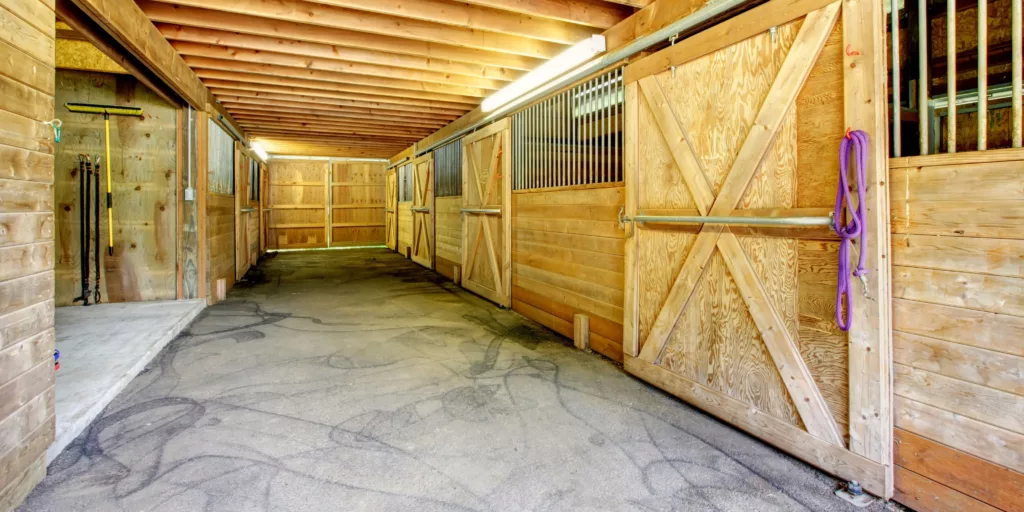
The Construction Phases
Building a barn shed is a sequential process. While every project differs, the general phases remain consistent.
The Floor System
Once your foundation is set, you build the floor frame using pressure-treated lumber. This frame is usually covered with ¾-inch plywood or oriented strand board (OSB). If you plan to store heavy items, opt for thicker flooring material and space your floor joists closer together (12 inches on center rather than 16).
Wall Framing
Walls are typically constructed on the ground and then raised into place. For a barn shed, the walls might be slightly shorter than a standard garage to accommodate the tall roof, depending on your design. This is the stage where you frame out rough openings for doors and windows.
The Gambrel Roof
This is the defining feature of the barn shed. Framing a gambrel roof is more complex than a standard peak because it involves two different slopes on each side. The lower slope is steep, providing maximum headroom, while the upper slope is shallower. Utilizing pre-made roof trusses can save significant time and ensure structural accuracy, although many DIYers choose to cut their own rafters to allow for a custom loft layout.
Sheathing and Roofing
Once the frame is up, the walls and roof are covered in sheathing (plywood or OSB). This ties the structure together and provides a nailing surface for the siding and shingles. Given the steep slope of the lower gambrel roof, installing shingles requires care and proper safety equipment. Metal roofing is also a popular choice for this style, offering excellent snow-shedding capabilities.
Customization: Making It Yours
Once the shell is complete, you can personalize the structure to fit your vision.
The Loft
The gambrel roof practically begs for a loft. You can build a partial loft (covering half the shed) to allow for high ceilings in the workspace while providing storage above. Access can be via a simple ladder or a built-in staircase for larger structures.
Doors and Windows
Standard residential doors work well for offices, but for true barn utility, consider wide double doors. For aesthetic flair, sliding “barn style” doors mounted on an exterior track look fantastic, though they don’t seal as tightly against bugs and drafts as hinged doors. Adding a cupola and weathervane to the roof ridge is a classic finishing touch that aids in ventilation.
Ramps and Landscaping
Don’t forget the approach. If you are moving wheeled equipment, you need a sturdy ramp. Building a ramp that is not too steep and has traction cleats is essential for safety. Finally, landscaping around the base with flower beds or shrubs can help anchor the building visually, making it look like it has always been part of the property.
Protecting Your Investment
You have invested time, money, and effort into this build; maintenance is how you protect that investment.
Moisture Control
Water is the enemy of any outdoor structure. Ensure that your roof overhangs are sufficient to direct rainwater away from the siding. If you didn’t use a gutter system initially, consider adding one if you notice splash-back mud on the lower walls.
Surface Maintenance
If you chose wood siding, inspect the paint or stain annually. Re-apply finish every 3 to 5 years, or sooner if the wood begins to look dry or gray. For vinyl or metal, a yearly pressure wash is usually sufficient to keep moss and mildew at bay.
Pest Prevention
Barns are attractive to critters looking for a winter home. Seal any gaps around pipes or electrical entry points. Ensure that soil or mulch doesn’t pile up against the siding, as this creates a bridge for termites and ants.
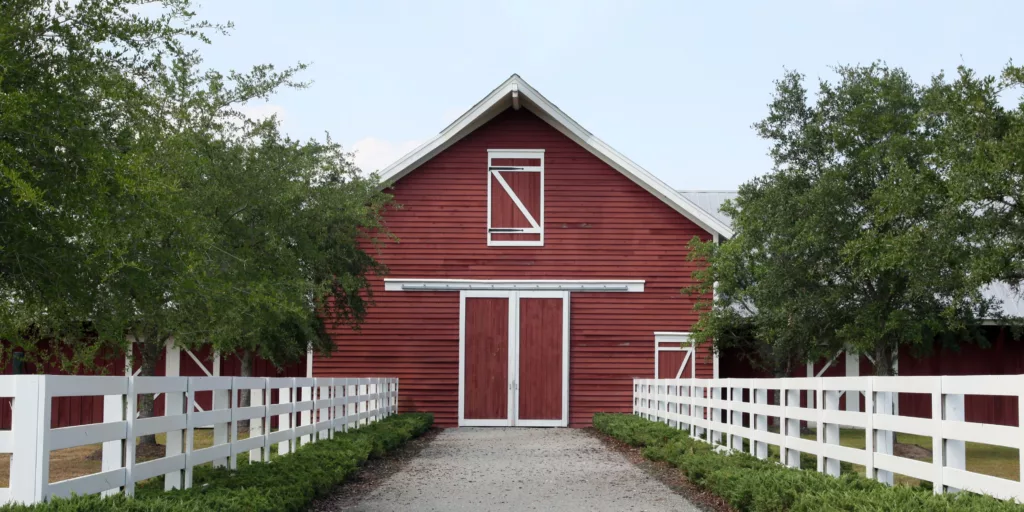
The Value of a Well-Built Barn
A well-constructed barn shed is a transformative addition to a property. It clears the clutter from your life, provides a sanctuary for your hobbies, and enhances the visual character of your backyard. By focusing on the essentials—navigating zoning, choosing the right materials, and starting with a solid base from experts like Firm Foundations—you ensure that your barn will stand tall through the seasons. Whether you fill it with garden tools or turn it into an art studio, a barn shed is a project that pays dividends for years to come.
Firm Foundations LLC
https://maps.app.goo.gl/Uf6XdgtpBTETgNrr7
1535 White School Rd, Honey Brook, PA 19344, United States
(717) 716-7267
https://shedpads.com/