
Choosing the Right Base for Garden Sheds in Every Season
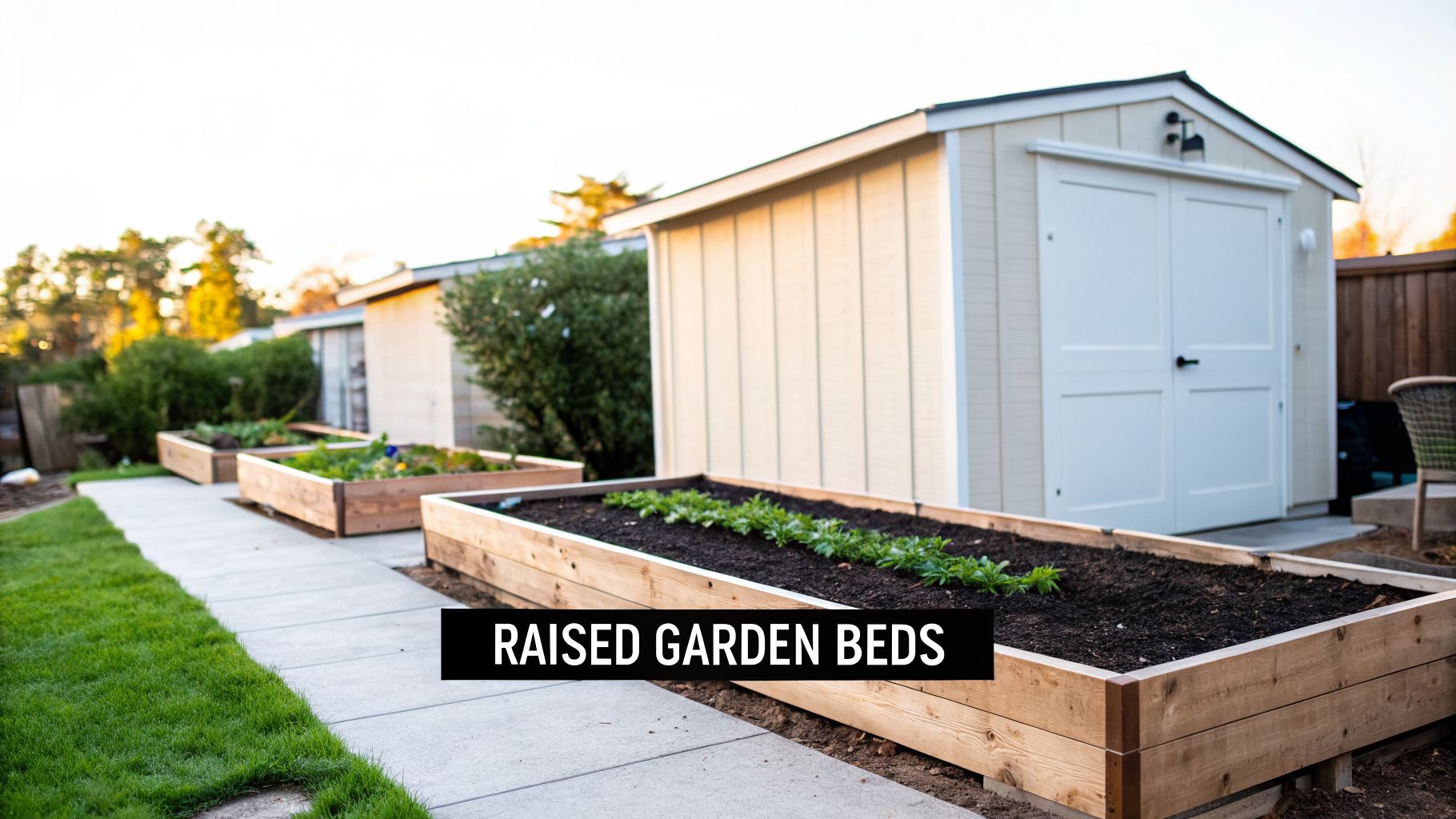
Choosing the Right Base for Garden Sheds in Every Season
A garden shed may look like a simple backyard structure, but its long-term performance depends heavily on what sits underneath it. The right base helps keep the shed level, supports the floor system, improves drainage, and protects the building from moisture and changing ground conditions.
That matters in every season. Spring brings saturated soil and runoff. Summer heat can dry and shrink the ground. Autumn leaves and heavy rain may affect drainage around the site. Winter introduces freezing, thawing, snow, and ice. A foundation that is not properly prepared may begin to settle, shift, or hold water, creating problems that become more expensive to correct later.
For many homeowners, choosing a base for garden sheds comes down to two dependable options: a professionally installed gravel pad or a concrete foundation. Understanding how each option performs throughout the year will help you make a better decision for your shed, property, and intended use.
Why a Garden Shed Needs More Than Bare Ground
Placing a garden shed directly on soil may seem like the fastest and least expensive approach, but bare ground is rarely stable enough for long-term support. Soil absorbs water, expands, contracts, and settles. Even a relatively small shed can become uneven if one side of the site drains differently from the other.
A shed that falls out of level may develop doors that stick, windows that no longer operate properly, uneven floors, or gaps around the structure. When wood framing remains close to damp soil, moisture can also contribute to premature deterioration.
A proper shed base creates separation between the building and the ground. It spreads the weight of the structure across a prepared area and provides a level surface before the shed arrives. This is especially important when the building will hold lawn equipment, tools, seasonal decorations, gardening supplies, or other heavy items.
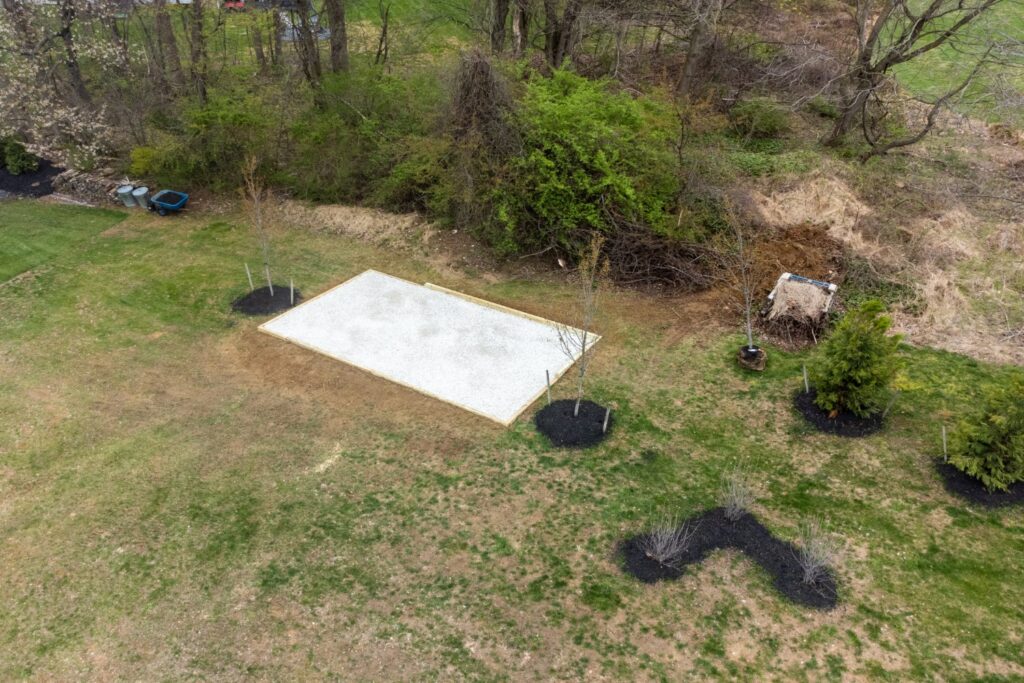
How the Seasons Affect a Shed Foundation
A good foundation is not designed only for the weather on installation day. It must continue performing as conditions change throughout the year.
Spring is often the first major test. Rain, snowmelt, and saturated ground can reveal low areas where water collects. If the foundation does not allow water to move away from the shed, moisture may remain beneath or around the structure.
During summer, dry soil can contract. Sites that were not properly graded or compacted may settle unevenly. Heavy use can also become a factor as homeowners move lawn tractors, wheelbarrows, and equipment in and out of the building.
Autumn is a good time to inspect drainage. Leaves, mulch, and debris can block the natural path of water around the pad. Keeping the area clear helps prevent water from being redirected toward the shed.
Winter creates freeze-thaw movement. Water in the soil freezes, expands, and later thaws. Repeated cycles can cause poorly supported foundations to shift. A well-prepared base helps reduce these seasonal stresses by providing stable support and better drainage.
Why Gravel Is a Popular Base for Garden Sheds
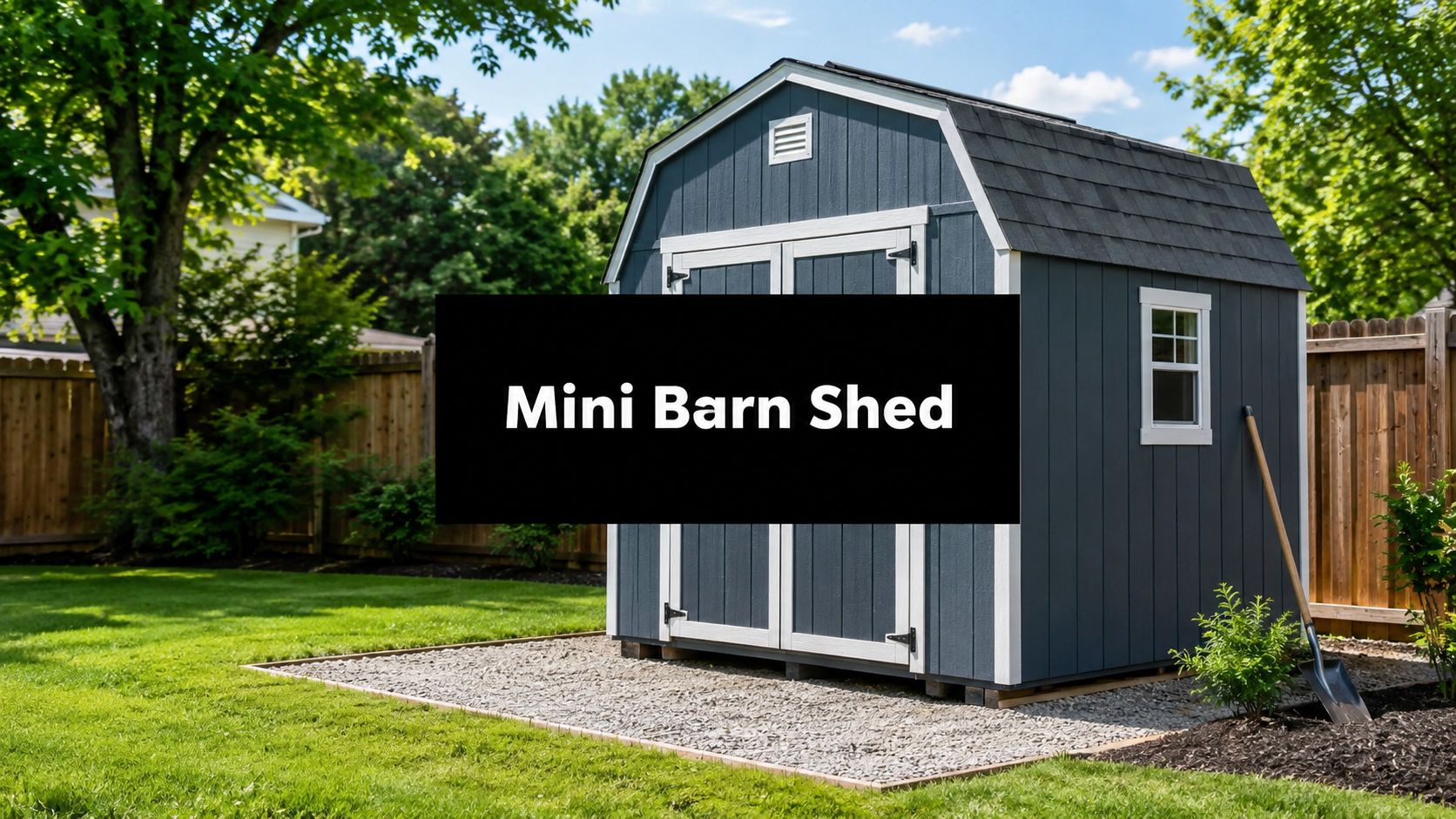
For many standard garden and storage sheds, a gravel pad offers an effective balance of stability, drainage, and value. Crushed stone allows water to drain rather than remain trapped directly beneath the building. This helps keep the underside of the shed drier and creates a dependable surface for the shed’s runners or floor system.
At Firm Foundations, gravel pad preparation includes basic site grading, installation of 4-by-6 perimeter timbers anchored with rebar, pinned corners, and a fill of 3/4-inch clean stone that is leveled for the new structure. We recommend making the foundation two feet longer and two feet wider than the shed. For example, a 12-by-20 shed would typically sit on a 14-by-22 pad.
That extra space around the shed is useful. It helps control vegetation near the building, reduces mud around the perimeter, and gives roof runoff somewhere to drain without immediately collecting against the walls.
A gravel base is often a strong choice when the shed will be used for general storage, gardening tools, lawn equipment, bicycles, or a small workshop. It can also work well on uneven property when the site is properly graded and the perimeter is built to retain the stone.
When a Concrete Foundation May Make More Sense
Concrete is the more permanent option and may be appropriate when the structure is larger, heavier, or intended for more demanding use. A concrete foundation can provide a solid, clean surface for buildings that will hold substantial equipment or function as a serious workshop.
The shed manufacturer’s specifications should always be considered before selecting concrete. Some prefabricated sheds are designed to sit on runners over gravel, while others may be compatible with a slab or require a particular foundation design.
The size of the building, the anticipated weight inside it, access needs, local code requirements, and long-term plans for the structure should all be part of the decision.
Firm Foundations installs both gravel pads and concrete foundations, along with excavation services when a project requires more extensive site preparation. We have served customers since 2011 and work on foundations for sheds, garages, and other outdoor structures.
Start With the Site, Not Just the Shed
The best foundation choice depends as much on the property as it does on the shed.
Before installation, look at how water moves through the yard. Avoid placing the shed in a natural low point whenever possible. Check the slope, soil condition, access for installation equipment, nearby trees, property lines, and the route the shed delivery company will use.
A sloped yard does not automatically prevent installation. It does, however, make accurate grading and proper edge retention more important. Our team has experience preparing shed sites on challenging slopes, and customer reviews frequently mention our communication, punctuality, efficient installation, attention to detail, and cleanup after the work is complete.
Homeowners should also confirm permit and zoning requirements before work begins. Rules can vary by municipality and may depend on the shed’s size, height, placement, or intended use. Setback requirements can affect where the shed and its foundation may be located.
Plan the Foundation Before Shed Delivery
One of the most common project mistakes is ordering the shed first and thinking about the base afterward. The foundation should be sized and completed before the structure arrives.
Ask the shed builder for the exact outside dimensions, runner configuration, recommended foundation type, and delivery requirements. Do not rely only on a product name such as “10-by-12 shed,” because trim, roof overhangs, doors, or structural runners may affect planning.
The foundation contractor should also know whether the shed has one door or multiple access points, whether a ramp will be added, and whether the building will be used to store especially heavy equipment. These details can influence the best location and foundation approach.
Firm Foundations has worked with shed builders throughout the region for more than a decade and is referred by established shed companies. We provide gravel and concrete foundation services within approximately 90 miles of Honey Brook, Pennsylvania, including areas of Pennsylvania, Maryland, Delaware, and New Jersey.
Simple Seasonal Care After Installation
A professionally installed foundation should require limited upkeep, but a few basic habits can protect the site.
Keep leaves, soil, and mulch from building up around the edge of the pad. Watch where downspouts and roof runoff discharge. Avoid allowing water to repeatedly wash across one side of the foundation. Check the perimeter occasionally for erosion, disturbance, or vegetation growth.
Firm Foundations offers a 10-year limited warranty on stone pads covering the wood perimeter against rot and decay, subject to the warranty’s maintenance requirements and exclusions. We recommend regular inspection and applying a quality protective stain or paint to the wood perimeter every five years.
A Better Base Creates a Better Shed
The best base for garden sheds is one that matches the building, the property, and the way the shed will be used. For many backyard storage sheds, a properly graded gravel pad provides excellent drainage and year-round stability. For heavier or more permanent applications, concrete may be the better fit.
What matters most is avoiding shortcuts. A shed is only as dependable as the surface supporting it. Proper grading, accurate sizing, solid perimeter construction, suitable materials, and thoughtful drainage planning can protect your investment through spring rain, summer heat, autumn debris, and winter freeze-thaw cycles.
Firm Foundations helps homeowners throughout Pennsylvania, Maryland, Delaware, and New Jersey prepare durable gravel pads and concrete foundations for sheds and other outdoor structures. Contact our team or request a free quote to discuss your site, shed dimensions, and foundation options before scheduling your shed delivery.
Firm Foundations LLC
https://maps.app.goo.gl/Uf6XdgtpBTETgNrr7
1535 White School Rd, Honey Brook, PA 19344, United States
(717) 716-7267
https://shedpads.com/