
Shed to Playhouse
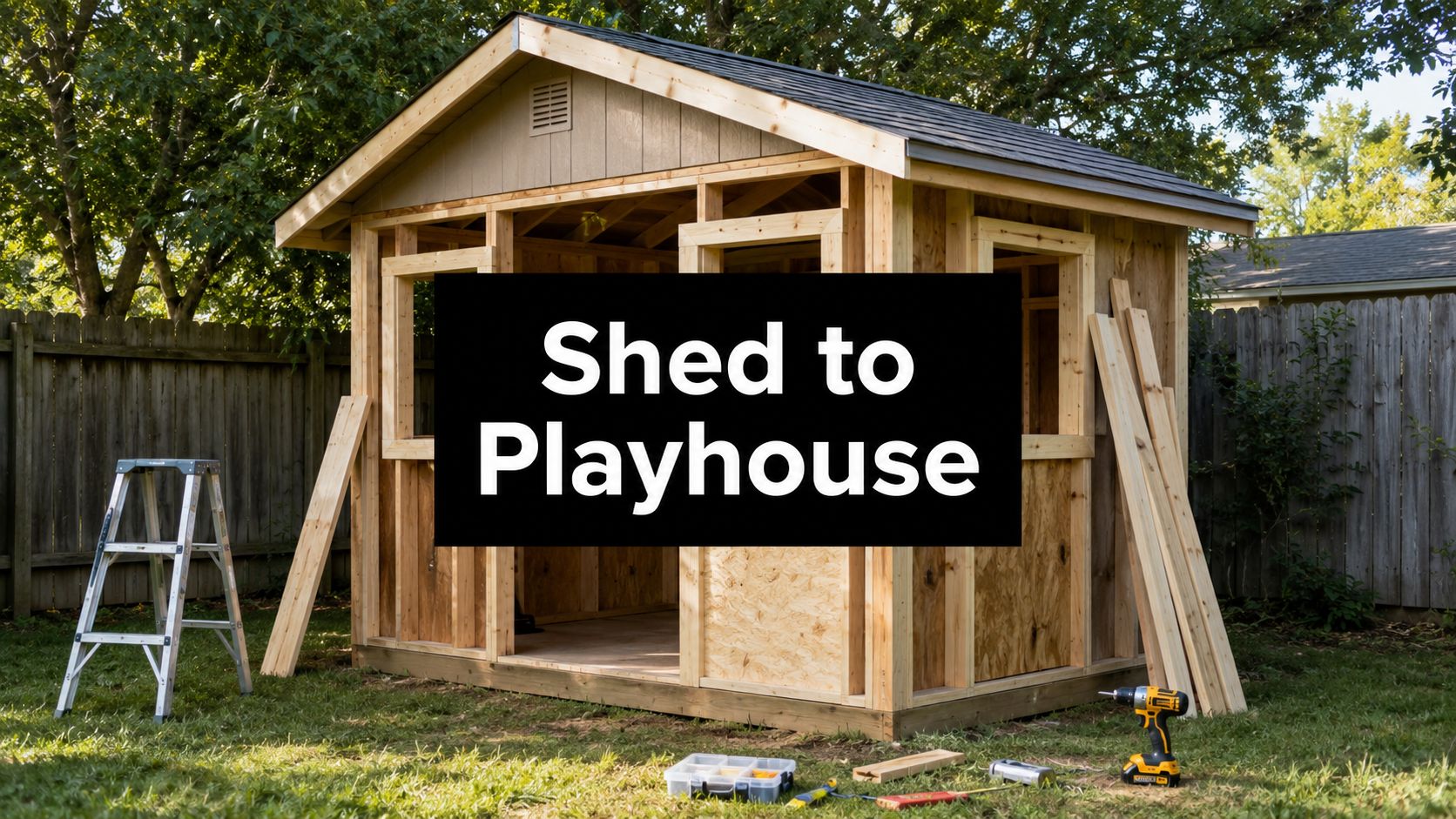
A lot of homeowners start a shed to playhouse project with the fun decisions first. Window boxes. Dutch doors. Paint colors. A little porch. Maybe a reading loft inside. Those details matter, and they're part of what makes the project exciting.
But the part that decides whether that playhouse still feels safe and solid a few seasons from now sits under the structure. If the base is wrong, the rest of the work is built on a problem. Floors go soft. Doors stop closing right. Moisture creeps up from below. What looked like a simple backyard upgrade turns into tear-out work.
That's especially important in Pennsylvania and nearby service areas where ground conditions, drainage, freeze-thaw movement, and permit requirements can turn a casual DIY conversion into a structural job faster than expected. A shed can become a wonderful kids' space. It can also become an expensive mistake if the foundation wasn't built for the new use.
Your Dream Playhouse Starts on Solid Ground
A backyard playhouse isn't a new idea. The concept has deep roots, and over time these small buildings evolved from simple utility or storage structures into flexible family spaces. Practical shed conversion guidance still lands on the same first principle. A level site and solid foundation come before any cosmetic work, as noted in this shed-to-playhouse conversion overview.
That point gets missed because the visible parts are more fun to plan. Homeowners see siding, trim, curtains, kid-sized furniture, and a cheerful door. Contractors look first at bearing, drainage, settlement, and how the existing shell transfers load to the ground. Both views matter, but only one prevents the building from leaning or trapping moisture.
What works and what fails
A good conversion starts with an honest answer to one question. Is the existing shed sitting on a base that can support the new use? If the answer is no, the smartest move is to correct that first, before anyone spends money on interior finishes.
What usually works:
- A dry, level site with water moving away from the structure
- A sound base, such as a properly built gravel pad or concrete foundation sized for the shed footprint
- A shed frame in good condition with no obvious rot at the bottom plates or floor framing
- A realistic build plan that treats the project like a staged conversion, not a rushed weekend makeover
What usually doesn't:
- Concrete blocks on bare soil
- A storage shed base that was never intended for active use
- Low spots in the yard where water sits around the perimeter
- Finish-first thinking, where paint and décor go in before moisture and structure are handled
Practical rule: If you can't say with confidence where water goes during a hard rain, you're not ready to start interior work.
In southeastern Pennsylvania, I'd much rather tell a homeowner to pause and fix the base than let them move ahead and hide a problem under flooring and trim. That isn't negative advice. It's how you protect the dream part of the project.
Assess Your Shed's Foundation Before You Begin
Most sheds were built as storage buildings. That matters. A mower, bins, and garden tools don't move like children do. A playhouse sees jumping, running, repeated impact on the floor, and often extra features like porches, lofts, built-in benches, or heavier finishes. That change should make you inspect the base like a contractor would, not like a decorator would.
The reason for that caution is straightforward. Over 68% of DIY shed-to-playhouse conversions in the US Northeast fail within 3 years due to hidden moisture intrusion and foundation settling, and a playhouse needs a deeper, reinforced gravel pad or concrete slab than a standard storage shed base to handle dynamic loads from children. If you're comparing foundation options, this page on playhouse and shed foundations gives a useful overview of the types of bases homeowners typically consider.
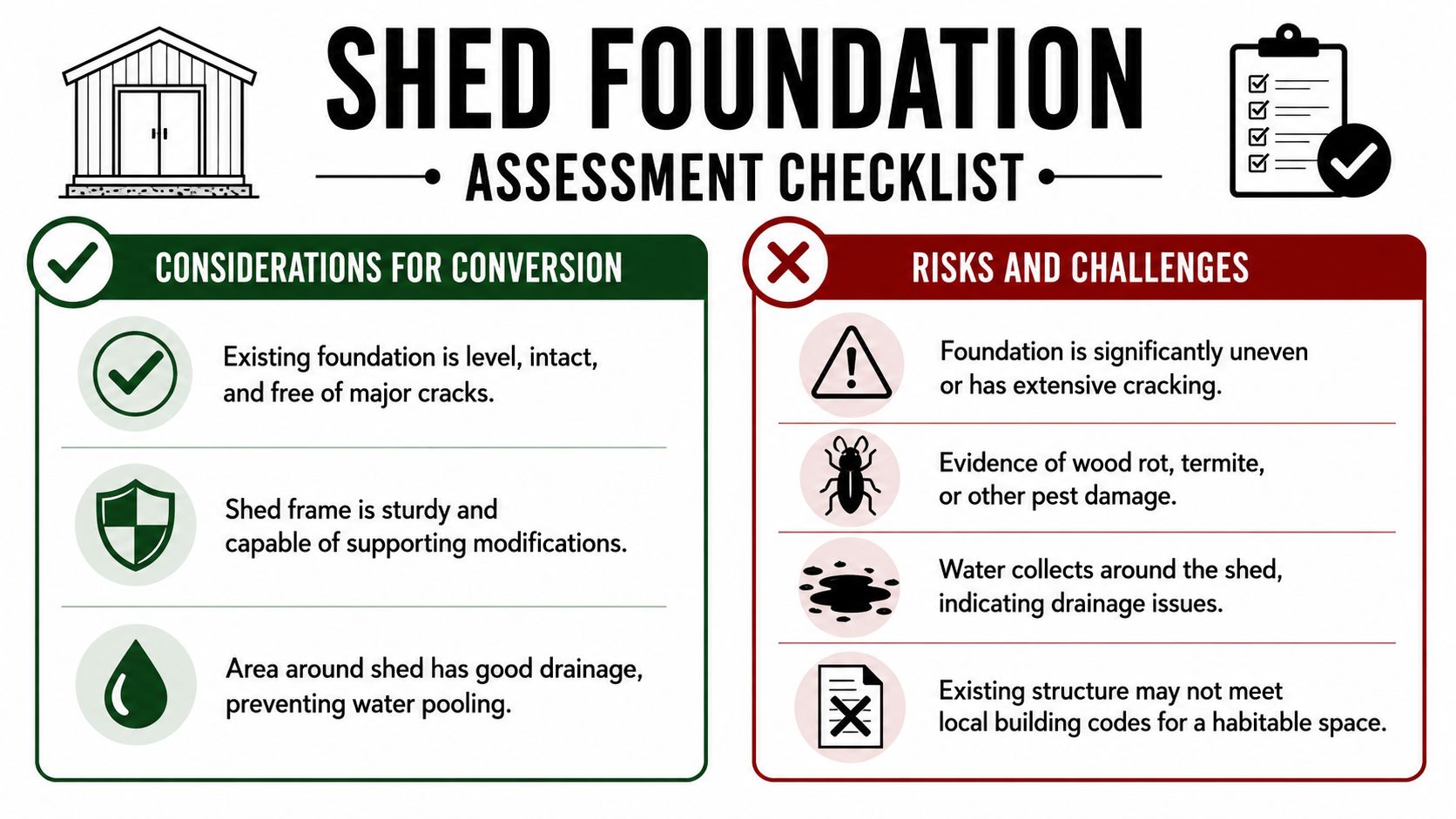
What to check before you invest another dollar
Walk the shed slowly. Don't start inside. Start outside and low.
- Look at the perimeter first. Is the shed sitting flat, or can you see one side lower than the other?
- Check how the base meets the ground. If you find loose shed foundation blocks, dirt contact, or unsupported corners, that's a warning sign.
- Study drainage after rain. Water pooling near the walls is a bigger problem than peeling paint.
- Inspect the floor line. A sagging center or a spongy edge often points to base trouble below.
- Check the lower framing. Rot near the bottom tells you moisture has been there for a while.
- Open and close the door. Racking and settlement often show up there before homeowners notice them elsewhere.
Storage base versus playhouse base
A basic base for storage shed use might keep a lightweight structure off the mud well enough. That doesn't mean it's appropriate for a conversion. A playhouse needs more from the ground support system. The structure has to stay level under movement, resist moisture from below, and keep finishes from failing inside.
A simple comparison helps:
| Existing condition | What it means for conversion |
|---|---|
| Shed foundation blocks on soil | Usually too temporary for long-term playhouse use |
| Thin gravel scattered on grade | Better than bare dirt, but often not enough for drainage and stability |
| Proper gravel shed foundation | Strong candidate if level, compacted, and correctly sized |
| Concrete slab with drainage managed | Strong candidate if sound and code-appropriate |
If the shed already smells damp, assume the floor system has a moisture story underneath it until proven otherwise.
Red flags that usually mean rebuild the base
Some homeowners hope they can “shim it and move on.” Sometimes you can make a storage shed usable that way. For a playhouse conversion, I'd be much firmer.
Rework the foundation plan if you see:
- Standing water around the footprint
- Cracked or shifting support points
- Visible settlement
- Rot at the floor perimeter
- A shed built directly on dirt or mixed fill
- Evidence that one side was pieced together later
That's the stage where a professional site assessment saves money. It's much cheaper to correct a gravel shed foundation or replace a failing base now than after insulation, wiring, flooring, and finish trim are already installed.
Navigating Permits and Planning Your New Foundation in PA and NJ
A shed to playhouse conversion can cross a line that many homeowners don't realize exists. In Pennsylvania and New Jersey, the issue often isn't the size of the building. It's the change of use.
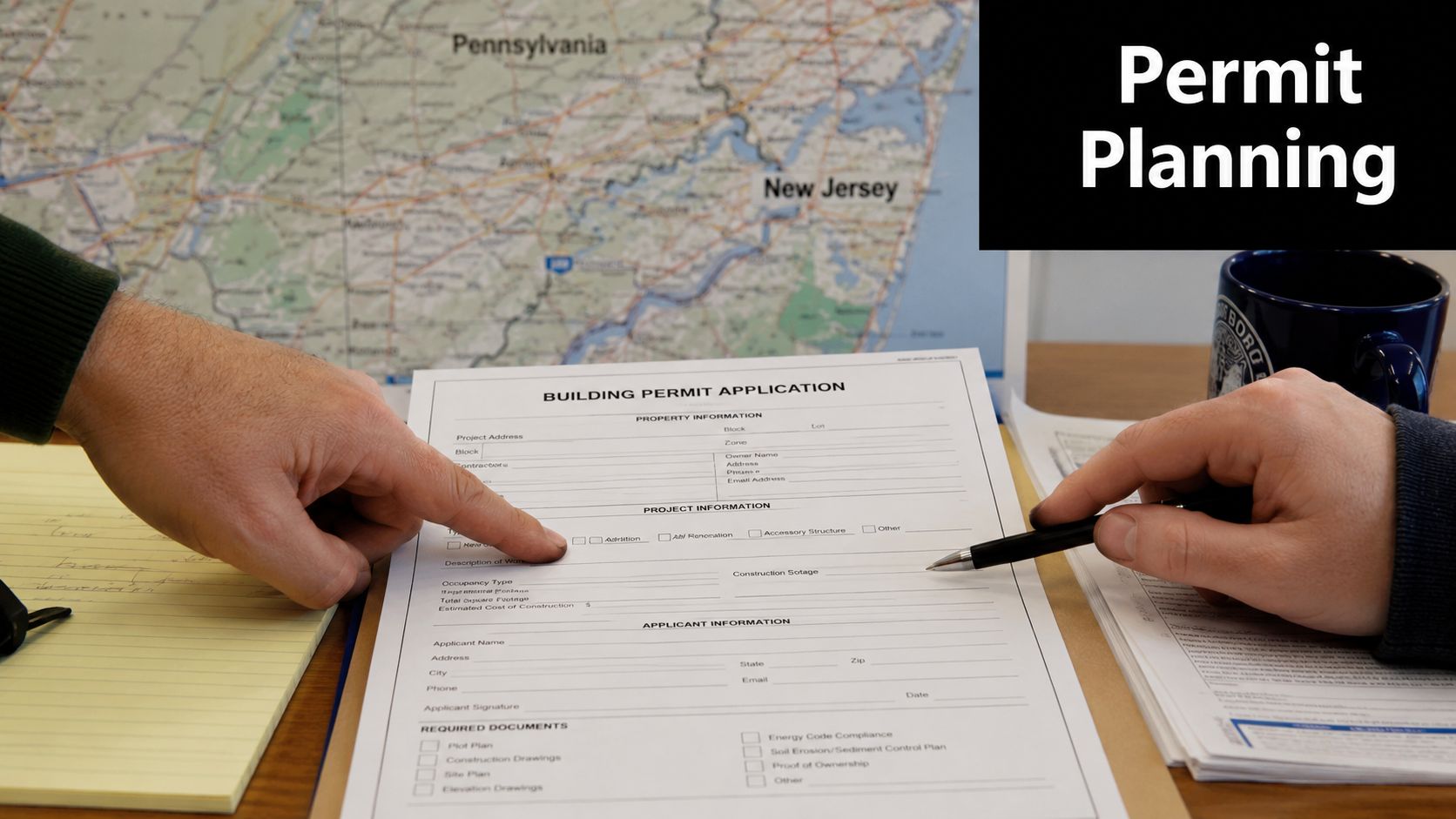
Recent zoning amendments in Pennsylvania and New Jersey classify any shed modified for play purposes, such as adding windows, electrical, or finishes, as a habitable structure, requiring full building permits and a code-compliant foundation regardless of size. In plain terms, that means the project may no longer be treated like a simple backyard shed upgrade. It may be reviewed like a small occupied structure.
Why the permit issue changes the foundation decision
This catches people off guard because the work often starts innocently. A homeowner wants to brighten the space, add outlets, insulate the walls, and make it comfortable. Those choices seem cosmetic. To a building department, they can signal occupancy, safety, and code compliance questions.
That shift affects the base in a real way:
- The foundation has to match the new use
- Drainage becomes part of durability, not just site appearance
- Electrical work and finish work can depend on permit approval
- An existing shed pad may not satisfy a habitable-structure review
If you've ever looked at how homeowners design ADUs, the planning mindset is useful here. You start with use, access, code implications, and layout constraints before you get attached to finishes. A playhouse conversion isn't an ADU, but the same habit helps. Plan the structure as a building first, not as a décor project.
Questions to ask before any excavation or concrete work
Homeowners in Pennsylvania and New Jersey should ask their township or municipality a few direct questions before conversion begins.
- Will this be treated as a change of use?
- Do windows, electrical, insulation, or finished walls trigger permit review?
- What foundation type is acceptable for the converted structure?
- Are setbacks, drainage, or lot coverage affected?
- Will inspections be required before finishes go in?
Those answers shape whether you need a compacted gravel pad, a more formal concrete foundation, or additional site prep and excavation.
A permit problem rarely starts with the final inspection. It starts much earlier, when a homeowner assumes the old shed base still qualifies after the building's purpose has changed.
Plan the work in the right order
The safest route is simple. Confirm local requirements, verify whether the existing shed can stay, then design the new support system around the actual use. If the old base is undersized, out of level, or not appropriate for a habitable-style conversion, replace it before the structure gets upgraded.
For homeowners who want a visual walkthrough of the permit mindset and build planning process, this short video is a useful place to pause and think through next steps.
That approach may feel slower at the front end. It usually saves a lot of frustration on the back end.
Essential Structural Upgrades for a Safe Playhouse
Once the base is right, the conversion can move into framing and structural changes. During this stage, many projects drift off course. Homeowners start cutting in windows or hanging finish materials before the shell has been reinforced for its new layout. That sequence is backwards.
A professional conversion follows a clear workflow: demolition or clean-out, then framing and electrical rough-in, before any drywall, paint, or flooring is installed, as shown in this shed conversion workflow example. That order matters because structural changes need to stay visible until they're complete and inspected.
The structural changes that deserve real attention
A storage shed often has simple wall framing sized for enclosure, not for lots of modifications. When you convert it, common upgrades include:
- Cutting in new window openings
- Reframing for a wider or heavier door
- Reinforcing walls for shelving, lofts, or built-ins
- Adding support for a small porch or covered entry
- Correcting roof framing if the existing structure has sagged or leaked
These aren't finish carpentry decisions. They change how weight moves through the building.
Sequence is what keeps the job honest
Here's the order that tends to work in the field:
- Remove what doesn't belong. Old shelving, damaged wall panels, weak flooring, and any rotted trim need to come out.
- Recheck level and bearing after demolition. Sometimes problems only show themselves once the clutter is gone.
- Frame openings and supports. This is the point to strengthen walls and adjust load paths.
- Run rough electrical if the project includes lighting or outlets.
- Close in walls and ceilings only after the structural and rough-in work is complete.
- Finish with trim, paint, flooring, storage, and kid-friendly details.
Field note: Finishes hide mistakes. Framing exposes them. That's why good builders handle structure before style.
If you're planning themed add-ons once the shell is secure, practical inspiration can help. Some families borrow ideas from a parents' guide to outdoor play kitchens when they want simple, durable activity zones that fit a backyard setting without overloading the structure.
Where homeowners should draw the line
A handy homeowner can paint, assemble furniture, and handle some light trim. Structural framing decisions deserve more care. If the project includes a loft, porch roof, enlarged openings, or anything that changes wall support, bring in a carpenter or contractor who understands light-frame modification.
That isn't about making the project complicated. It's about protecting the work that comes after. Once the shell is sound, the fun part stays fun.
Insulation Electrical and Climate Control for Year Round Fun
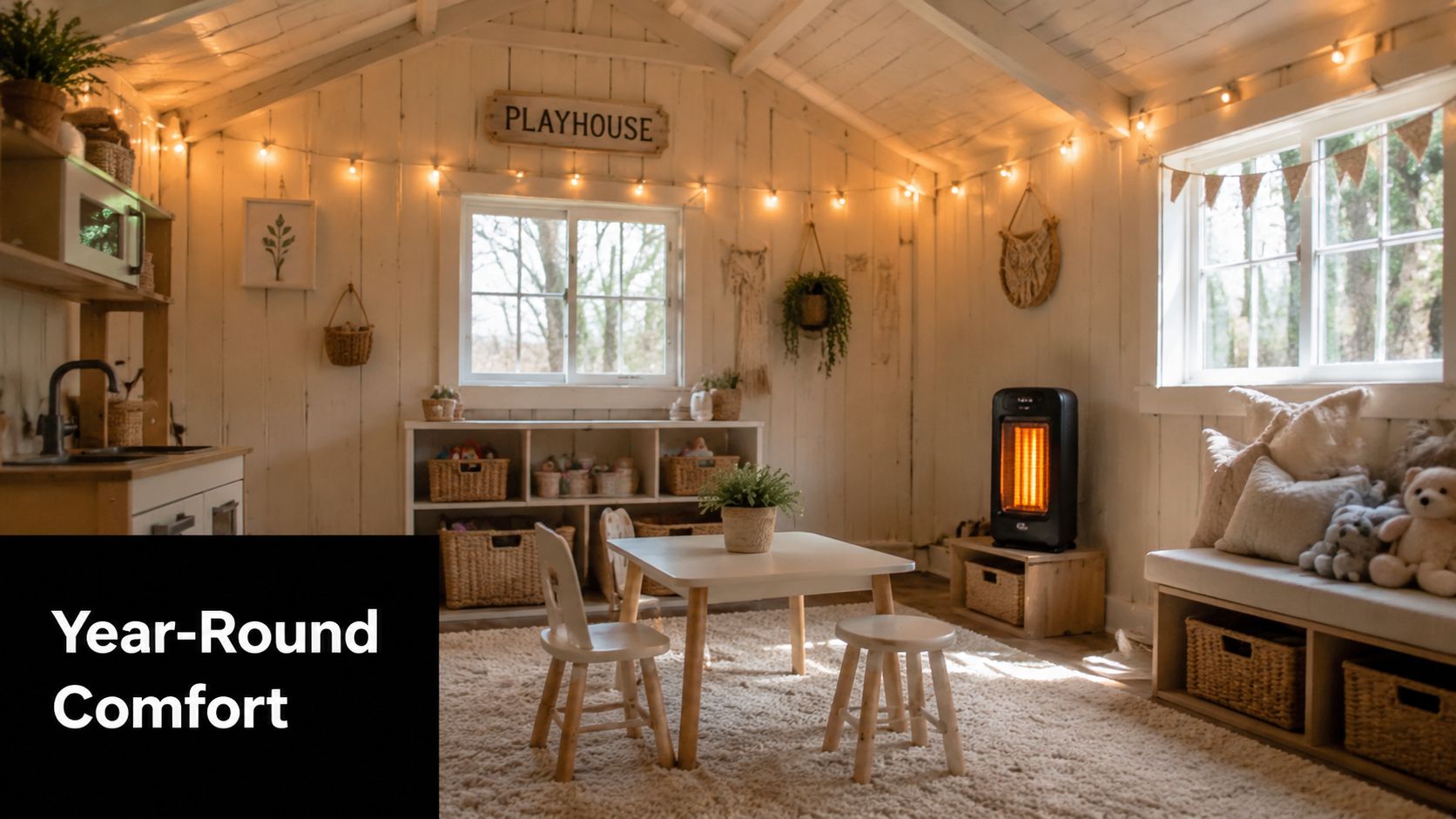
A playhouse only feels comfortable year-round if the enclosure works as a system. Insulation helps, but only after moisture control is handled. If ground dampness is moving up through the floor or collecting around the perimeter, insulation can end up protecting a problem instead of solving one.
One practical shed conversion guide recommends treating the job as a staged build that can stretch across 20 days if needed, starting with assessing the shed's condition and location, then damp-proofing first, followed by insulating the floor, ceiling, and walls before lining, heating, lighting, storage, and finish details, as outlined in this shed-to-playhouse conversion guide. That sequence is smart because it handles water before comfort upgrades.
Floor insulation only works over a dry base
Homeowners often focus on wall insulation because it's visible during the build. The floor matters just as much, especially in Pennsylvania, New Jersey, Delaware, and Maryland where damp ground and seasonal temperature swings can make a small building uncomfortable fast.
A few practical truths:
- Insulation under the floor needs moisture control below it
- A vapor barrier matters
- Air gaps and unsealed edges reduce the benefit of insulation
- A wet crawl space under the shed can undo good interior work
If you're evaluating slab details, this guide to concrete slab insulation basics is useful for understanding why the slab or pad below the structure affects comfort above it.
Electrical and heat need professional handling
Lighting, outlets, and a small heater can make the space much more usable. They can also create risk if they're installed casually in a structure that wasn't wired for occupancy.
Use a licensed electrician for:
- New power runs to the shed
- Interior outlets
- Lighting circuits
- Switches and fixture placement
- Any heating equipment that requires electrical service
A small building gives you less margin for error, not more. Clearances, load planning, weather protection, and code compliance all matter.
Comfort details that hold up better
The best interior choices are simple and durable. Painted wall panels, sealed flooring, accessible toy storage, and easy-clean surfaces usually age better than fussy decorative materials. If the structure has a dry shell, controlled air leakage, and safe wiring, you don't need much else to make it inviting.
One option homeowners in the region often consider for the foundation stage is Firm Foundations, which installs gravel pads and concrete foundations for sheds and similar backyard structures. The important point isn't the brand name. It's choosing a contractor who understands drainage, grading, and how the base affects everything you install above it.
A warm-looking playhouse isn't the same thing as a dry one. Start with the dry one.
Why Your Project's Success Starts with Firm Foundations
By the time most homeowners finish planning a shed to playhouse conversion, they've spent a lot of time on the visible parts. That's normal. Kids will remember the little porch, the painted door, the reading corner, and the pretend kitchen. Parents remember something else. Whether the building stayed level, dry, and safe.
That's why the smartest investment usually comes first. Site prep. Excavation. Drainage. A properly built shed foundation. If you're searching for shed foundations contractors near me, gravel shed foundation contractors near me, garage foundation contractors near me, concrete foundations, garage footings and foundations, cement foundations for garage, gazebo foundation, or excavation near me in Pennsylvania, Maryland, Delaware, or New Jersey, the goal is the same. Build the support system correctly before anyone starts finish work.
What that means in real project terms
A reliable foundation contractor should be able to help you sort out:
- Whether the current shed base can stay or needs replacement
- Whether a gravel shed foundation or concrete pad fits the site
- How drainage should move around the structure
- What site preparation and excavation are required
- How the foundation choice affects the build that follows
For families thinking about the bigger reason behind the project, this piece on understanding child well-being through play is a good reminder of why these spaces matter in the first place. The playhouse should support that goal, not create a maintenance headache or safety concern.
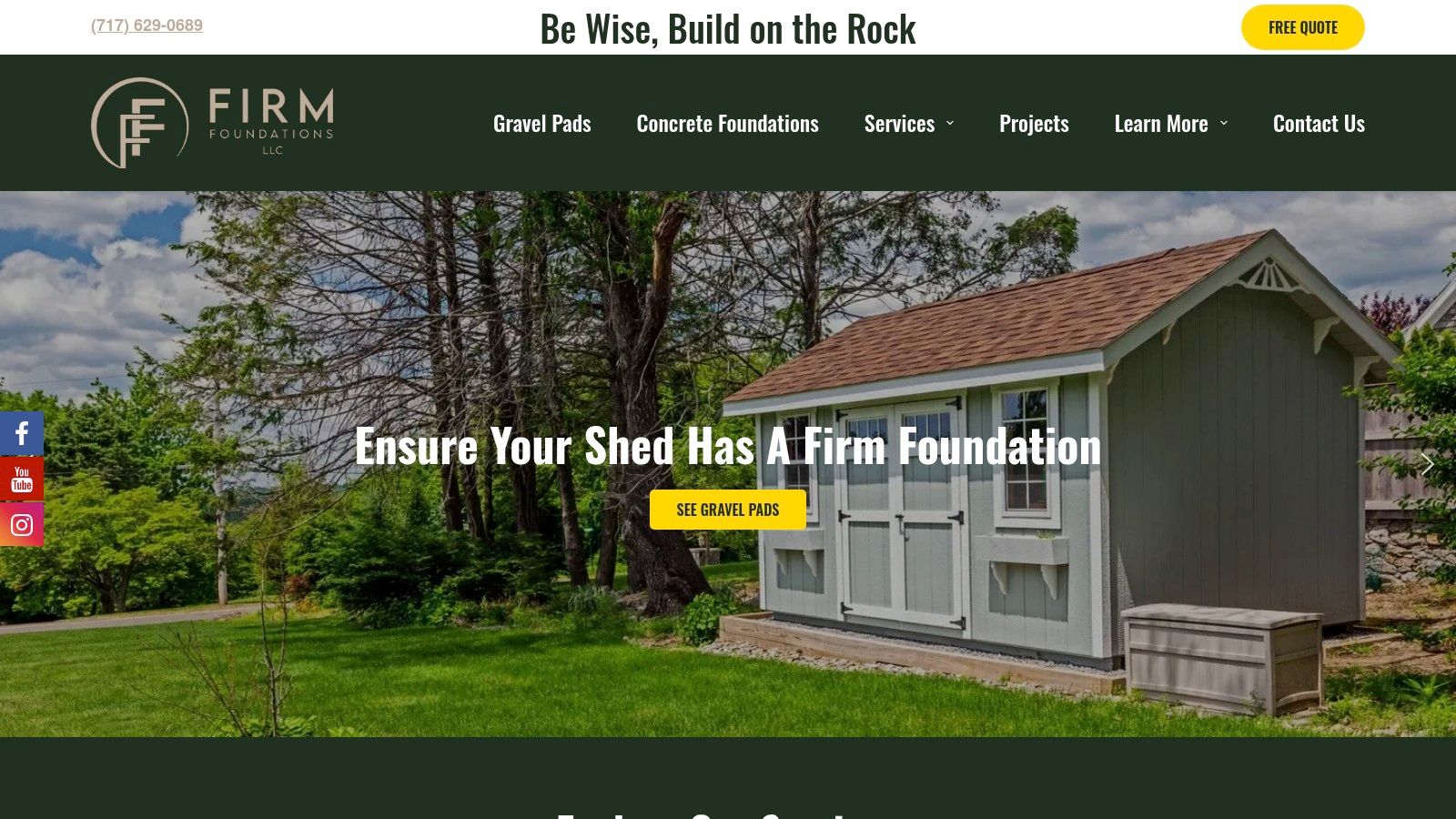
A good-looking conversion can still fail if the base was treated like an afterthought. A simpler design on a well-built foundation usually serves a family much better for the long haul.
If you're planning a shed to playhouse project in Pennsylvania, Maryland, Delaware, or New Jersey, start with the part that protects everything else. Firm Foundations handles shed pads, gravel foundations, concrete foundations, excavation, and site preparation for backyard structures that need to stay level, drain properly, and last. Request a free quote before you spend money on finishes, and get clear guidance on the right base for your site.