
Gravel Shed Foundation


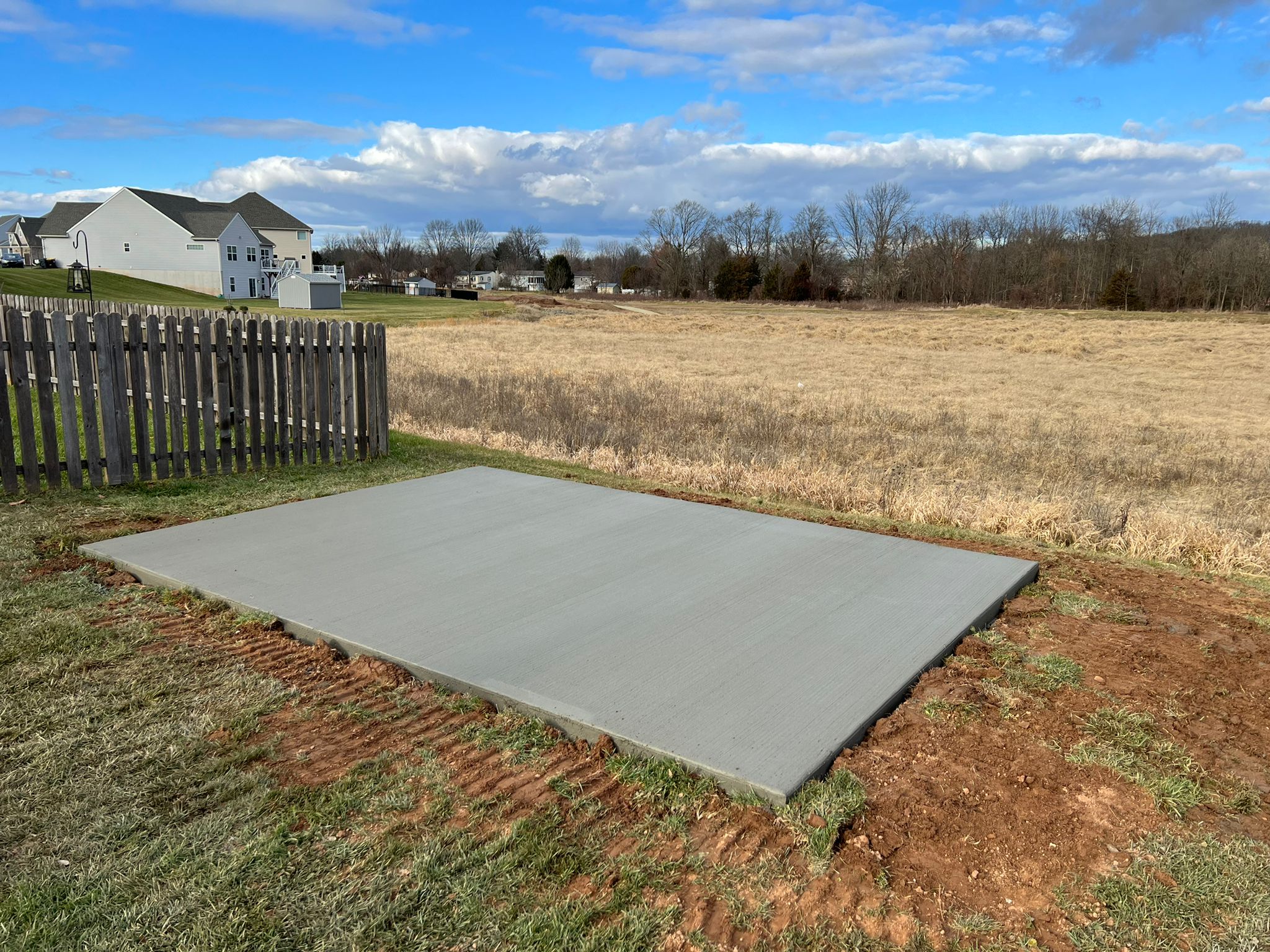
Gravel Shed Foundation: Why They’re Better Than You Think
When planning a new shed build, many homeowners automatically assume that a concrete slab is the superior, if not the only, option for a durable foundation. There is a common misconception that “heavier” equals “better,” leading people to overspend on concrete when it isn’t necessary. However, for the vast majority of garden sheds and storage structures, this assumption is both structurally and economically incorrect.
The foundation is the critical interface between a structure and the earth. Its primary role is to provide a stable, level plane while managing the environmental stressors of moisture and ground movement. A professionally installed gravel shed foundation often outperforms concrete for shed applications by offering superior drainage, enhanced stability during freeze-thaw cycles, and a more cost-effective installation process without compromising on longevity.
Superior Water Management and Drainage
Eliminating Hydrostatic Pressure
Unlike solid concrete, which can trap water underneath and create upward pressure, a crushed stone pad allows water to permeate through the base and dissipate into the soil. This permeability prevents hydraulic heaving, where trapped water freezes and expands, potentially cracking solid foundations. By allowing water to flow freely away from the structure, gravel ensures the base remains stable and dry throughout the seasons.
Reducing Splash-Back Decay
Rainwater hitting a hard concrete slab splashes back onto the shed’s siding with significant force, often carrying dirt and debris that accelerates rot on the lower courses of the exterior. A gravel shed foundation absorbs the energy of dripping water rather than deflecting it. This absorption significantly reduces splash-back, helping to preserve the integrity and appearance of the shed’s siding for years longer than a concrete alternative would allow.
Keeping Floor Joists Dry
A gravel pad functions as a highly effective capillary break between the ground and the timber structure. By elevating the shed on a permeable bed of stone, air can circulate freely beneath the floor joists. This constant airflow keeps pressure-treated lumber dry and free from fungal decay, which is critical for maintaining the structural integrity of the shed’s flooring system over time.
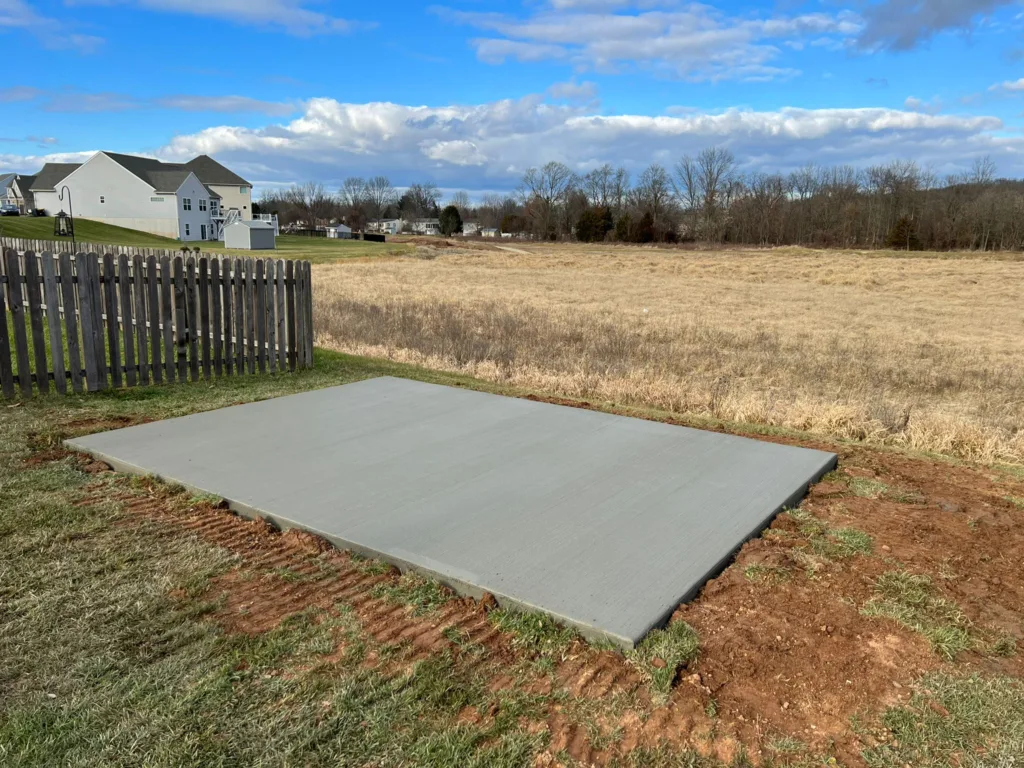
Structural Resilience in Freeze-Thaw Climates
Accommodating Ground Movement
In colder regions, the ground expands significantly as it freezes, exerting powerful forces on anything resting on top of it. A rigid concrete slab can crack under this stress if the ground shifts unevenly. In contrast, a gravel shed foundation is flexible; it moves uniformly with the frost heave and settles back into place without sustaining structural damage. This flexibility prevents the costly cracks and shifts that plague rigid foundations in volatile climates.
The Self-Healing Nature of Aggregates
If minor settling occurs over decades due to soil shifts, a gravel foundation is easily rectified. The nature of loose stone allows for simple adjustments; adding more stone and releveling the shed with a jack can restore the structure to perfect level. Repairing a cracked or sunken concrete slab, on the other hand, is a major engineering challenge that often requires expensive specialist intervention or complete replacement.
Uniform Weight Distribution
An evenly compacted gravel base distributes the load of the shed across the entire footprint of the structure. This uniform support prevents point-load failures that can occur with pier blocks or unevenly supported skids, which focus weight on specific areas. By spreading the weight, the gravel shed foundation ensures that the floor structure remains level and free from sagging or warping.
The Economic Advantage: Cost vs. Performance
Lower Material and Labor Costs
Concrete installation is resource-intensive, requiring expensive pumping equipment, rebar reinforcement, and skilled finishers to ensure a smooth surface. Gravel foundations utilize cost-effective crushed stone and lumber perimeters, offering a significantly lower price point for equivalent, if not superior, support. This cost difference allows homeowners to allocate more of their budget to the shed itself rather than the base it sits on.
Avoiding Expensive Excavation
To be truly stable and code-compliant, concrete often requires deep footings dug below the frost line, a process that involves significant labor and heavy machinery. Gravel pads are surface-level installations that require only minor topsoil removal to create a level base. This streamlined approach saves thousands of dollars in heavy excavation costs and minimizes the disruption to the surrounding landscape.
No Need for Heavy Machinery Access
Concrete trucks require wide access lanes that can damage lawns, gardens, and driveways, sometimes necessitating expensive remediation after the pour. A gravel shed foundation can be transported with smaller equipment or even wheelbarrows in tight spaces. This ability to access the site without heavy machinery preserves the surrounding property and eliminates the hidden costs of landscape repair.
Installation Efficiency and Timeline
Immediate Usability
Concrete requires days or even weeks to cure properly before it can bear significant weight, which can delay the overall project. A gravel foundation is ready for the shed delivery immediately upon the completion of the installation. This immediacy streamlines the project timeline, allowing the shed to be delivered, installed, and used without the waiting period associated with curing concrete.
Single-Day Installation Process
While concrete involves forming, pouring, finishing, and stripping forms over multiple visits, a professional gravel pad can typically be excavated, framed, and filled in a single day. This efficiency minimizes the time construction crews spend on the property. It transforms a multi-day or multi-week ordeal into a quick, straightforward process that gets the project moving forward rapidly.
Independence from Weather Conditions
Pouring concrete is heavily dependent on temperature and precipitation; it cannot be done in freezing conditions or heavy rain without compromising the integrity of the slab. Gravel pads can be installed in a much wider range of weather conditions. This resilience reduces the likelihood of project delays due to inclement weather, ensuring that the shed installation stays on schedule regardless of the forecast.
Longevity and Preservation of the Shed Structure
Optimal Airflow Circulation
The porous nature of the stone allows air to move freely under the shed floor, creating a dry environment beneath the structure. This ventilation is critical for preventing the buildup of mold and mildew on the underside of the flooring plywood. By maintaining a dry undercarriage, the gravel shed foundation extends the life of the floor and prevents the musty odors often associated with sheds built on solid slabs.
Stability for Doors and Windows
A shed that rests on a stable, compacted gravel pad is less likely to rack or twist over time. Twisting occurs when one corner of the foundation settles more than the others, throwing the door and window frames out of square. The stability of a properly installed gravel base ensures that doors latch correctly and windows open smoothly for the life of the structure, reducing maintenance headaches.
Protection for Pressure-Treated Skids
Sheds are typically built on wooden runners, known as skids, which support the floor joists. Placing these runners on well-draining stone rather than wet soil or moisture-wicking concrete significantly extends the life of the wood. The gravel ensures that water drains away from the skids quickly, preventing the prolonged moisture exposure that leads to rot and structural failure.
Versatility and Future-Proofing Your Property
Ease of Removal or Relocation
If a homeowner decides to move the shed or reconfigure their backyard layout, a gravel pad is relatively easy to remove or repurpose. The stone can be scooped up and moved, and the site can be returned to grass with minimal effort. In contrast, a concrete slab is a permanent fixture that requires jackhammers, heavy machinery, and expensive disposal fees to remove, making it a liability for future landscaping changes.
Simplifying Future Extensions
Expanding a gravel pad to accommodate a larger shed in the future is a simple matter of extending the timber frame and adding more stone to the new section. Bonding new concrete to old concrete is difficult, expensive, and often results in unsightly seams that are prone to cracking. Gravel allows for seamless expansion, ensuring that a larger shed has a uniform, stable base without the structural issues of jointed concrete.
Permeable Surface Zoning Benefits
Many municipalities have strict limits on “impermeable surfaces” (like concrete and asphalt) to manage stormwater runoff and prevent flooding. Gravel is often classified as a permeable surface because it allows water to drain through it. This classification can make it easier to obtain permits in strict zoning areas where adding a concrete slab might push a property over its allowed limit for impermeable coverage.
Professional Execution Standards: The Firm Foundations LLC Approach
Precision Site Leveling and Grading
Firm Foundations LLC emphasizes that the ground must be perfectly leveled before stone is introduced to ensure a stable base. Using laser transit levels ensures that the site is prepared to precise tolerances, preventing future leaning or door alignment issues. This attention to detail during the grading phase is what separates a professional installation from a DIY project that may fail over time.
Selection of Premium Aggregates
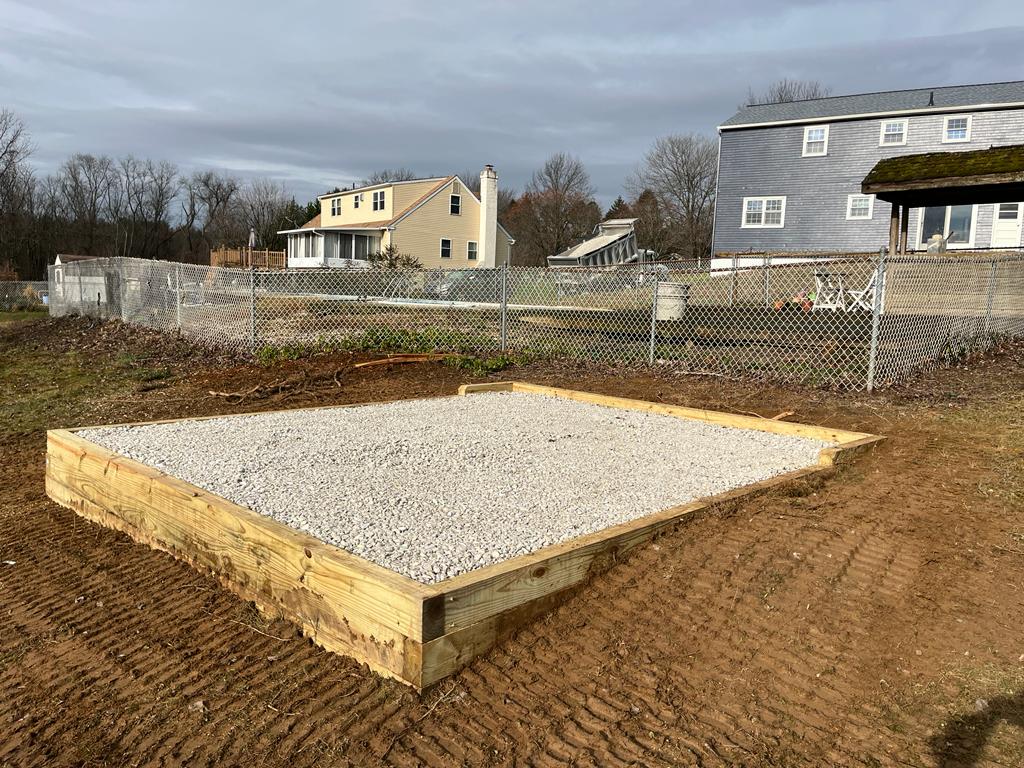
Not all gravel is suitable for a lasting foundation; the wrong type can shift or retain too much water. Firm Foundations LLC utilizes clean, crushed 3/4-inch stone which locks together to form a solid surface while maintaining permeability. This specific aggregate is chosen because its angular edges interlock, unlike rounded river rock which tends to shift or “roll” under weight, ensuring a rock-solid platform for the shed.
Structural Perimeter Containment
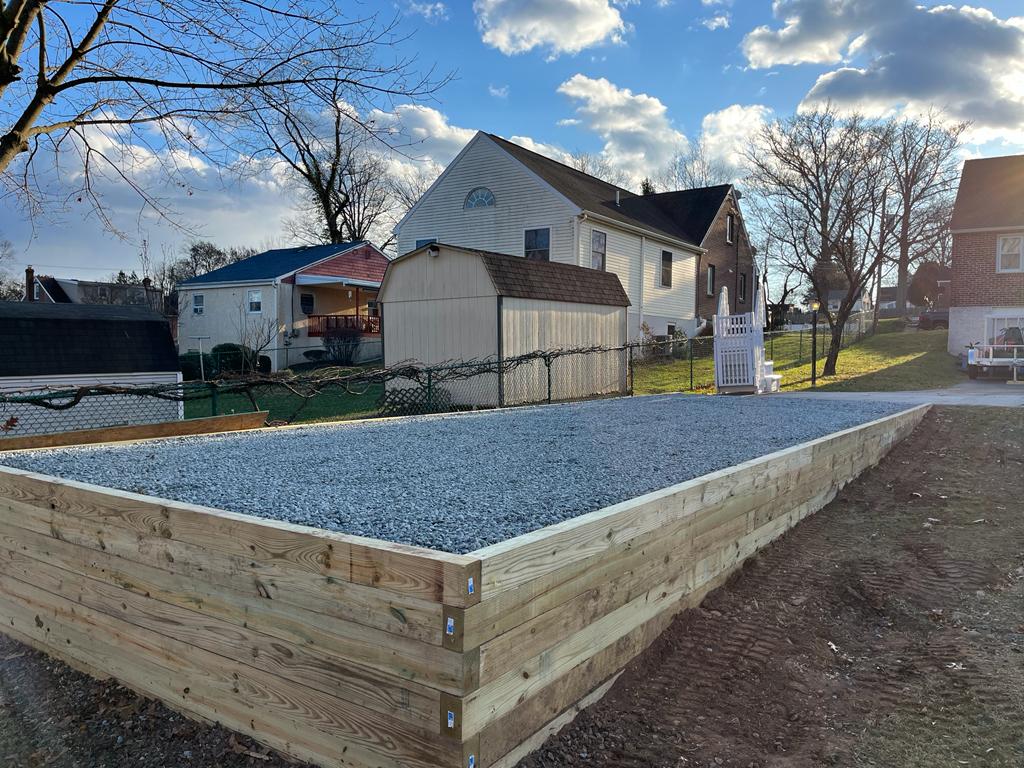
To ensure the gravel remains in place permanently and does not migrate into the surrounding lawn, Firm Foundations LLC installs a heavy-duty, pressure-treated lumber perimeter. This timber frame acts as a retaining wall for the stone, maintaining the pad’s shape and integrity over time. It provides a clean, finished edge that contains the aggregate and defines the foundation’s footprint clearly.
A Solid Investment for Your Backyard
While concrete has its place in heavy construction, the gravel pad foundation service offers a superior blend of drainage, stability, and cost-efficiency for backyard sheds. It protects the timber structure from rot, adapts to ground movement, and is installed with minimal disruption to the landscape. For a foundation that guarantees the longevity of an investment, relying on professional expertise is the smartest choice. Contact Firm Foundations LLC today to schedule a site evaluation and ensure your shed starts on solid ground.
Firm Foundations LLC
https://maps.app.goo.gl/Uf6XdgtpBTETgNrr7
1535 White School Rd, Honey Brook, PA 19344, United States
(717) 716-7267
https://shedpads.com/