
Shed Floor
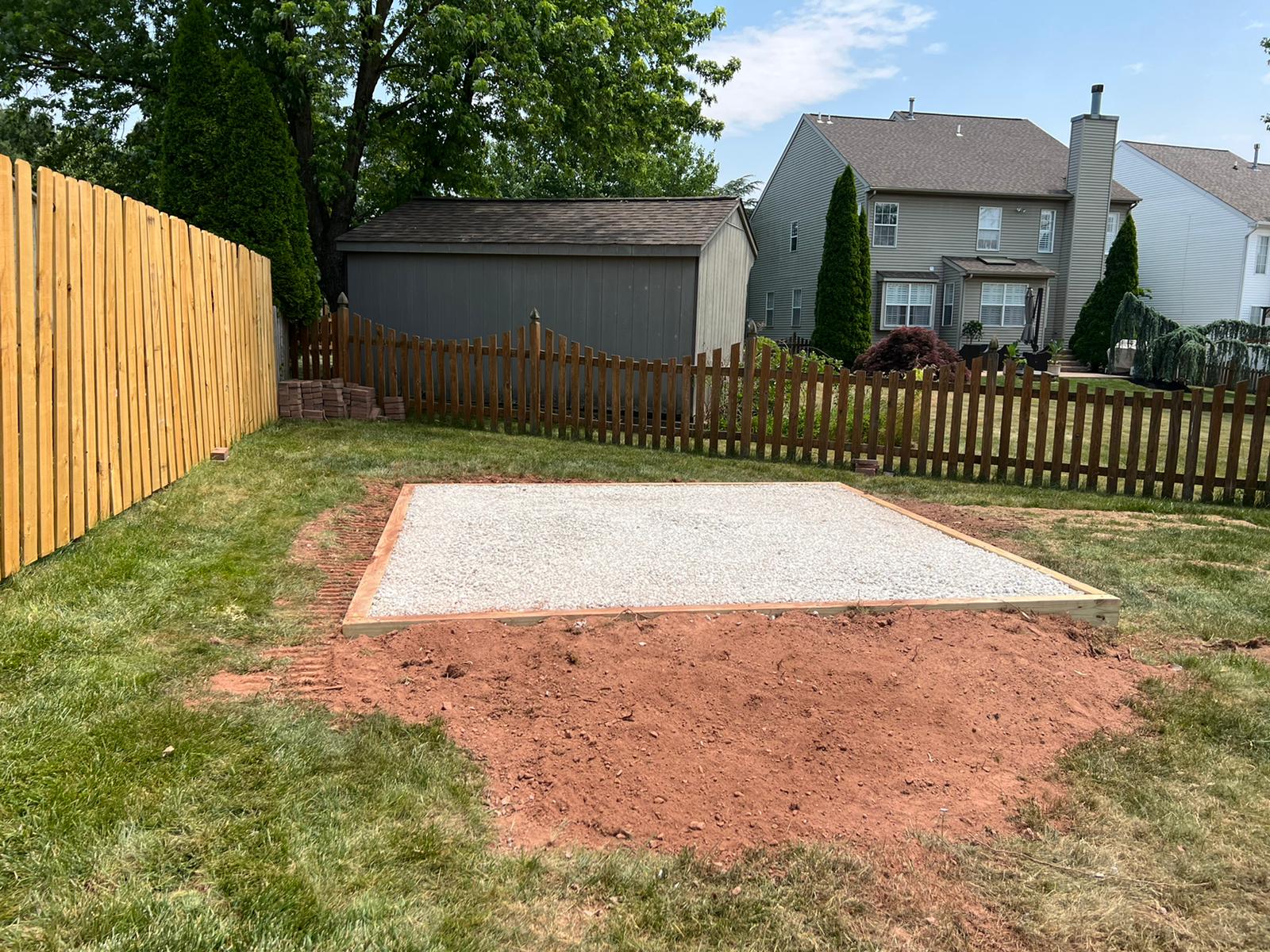
From Dirt to Durable: How to Choose the Perfect Shed Floor Material
You’ve finally picked out the perfect shed. Maybe it’s a charming potting shed for your garden, a robust workshop for your carpentry hobbies, or simply a secure place to store the family bikes and lawnmower. You can visualize exactly how it will look in the backyard and how much cleaner your garage will be once the overflow is moved out. But before you start visualizing the shelving units and pegboards, look down.
The floor is the unsung hero of any outdoor structure. While the roof and siding get all the aesthetic glory, the foundation determines whether your shed stands straight for thirty years or starts to lean, rot, and sink after three. A shed is only as good as what is underneath it. If you build a castle on a swamp, you still end up with a swamp.
Choosing the right shed floor material isn’t just about budget; it is about matching the foundation to the shed’s purpose, the climate you live in, and the weight of what you plan to store. From the permanence of concrete to the versatility of pressure-treated lumber, the options can be overwhelming. This guide breaks down the most popular materials to help you make a decision that ensures your investment stays solid, dry, and level for decades.
Why Firm Foundations Matters
At Firm Foundations, we believe that what you don’t see is just as important as what you do see. We have witnessed too many high-quality sheds ruined by poor site preparation and inadequate flooring. Doors that won’t close because the frame has warped, floors that rot out from rising dampness, and structures that slowly sink into the mud—these are the consequences of skipping the basics.
We are committed to providing durable, professional shed flooring solutions because we know that a shed is an investment in your property. Whether you are storing heavy machinery or sensitive seasonal decorations, the floor needs to perform. We don’t just build bases; we engineer longevity.
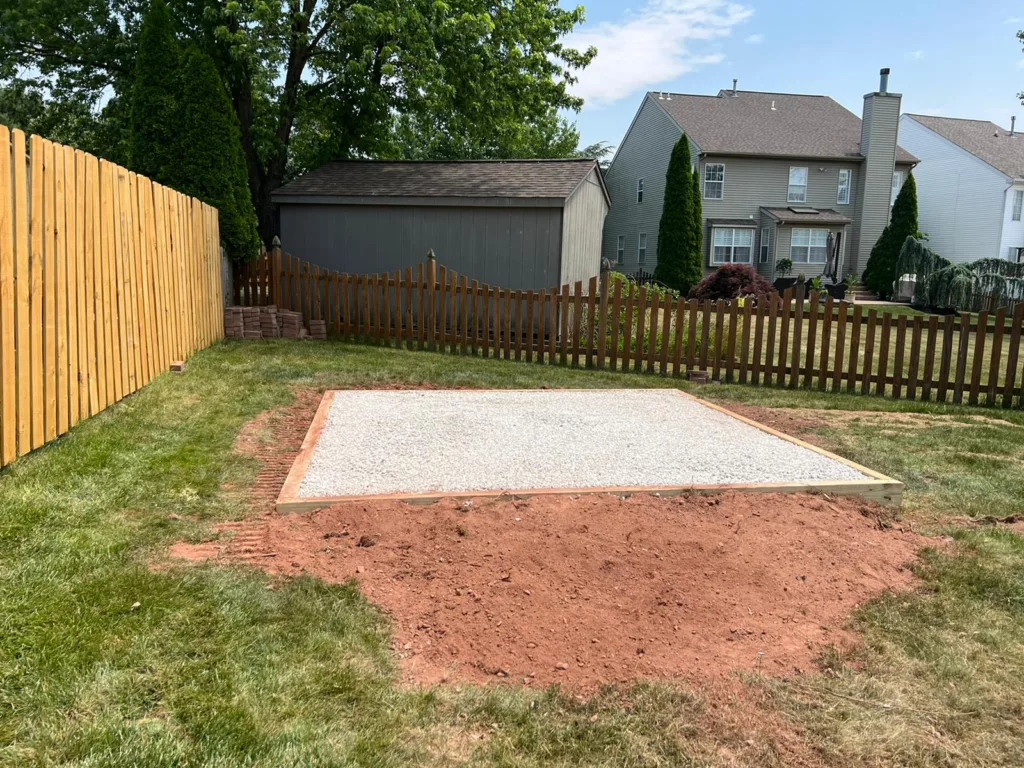
Option 1: Concrete Foundations
When you think of “permanent” and “indestructible,” you are thinking of concrete. A poured concrete slab is widely considered the gold standard for shed floors, particularly for larger structures or workshops. It acts as both the floor and the foundation in one monolithic piece.
The Heavy-Duty Choice
Concrete is the superior choice if you plan on storing heavy equipment. If you are parking a riding lawn mower, an ATV, or setting up heavy woodworking machinery like a table saw or a lathe, concrete creates a rigid, non-flexible surface that won’t bow or creak under pressure.
Resistance to Elements
One of the biggest enemies of an outdoor shed is moisture. Concrete is impervious to rot. Unlike wood, it will not decay if it gets wet. Furthermore, a properly installed concrete slab is the ultimate barrier against pests. Mice, rats, and burrowing insects cannot chew their way through concrete. If you are storing items that might attract pests, such as bird seed or animal feed, concrete offers the best line of defense.
The Drawbacks
However, concrete is not without its challenges. It is the most expensive option upfront, requiring significant site preparation, excavation, formwork, and professional finishing. It is also permanent. Once you pour a slab, that is where your shed will stay. If you decide to move or reconfigure your backyard layout in ten years, removing a concrete slab is a jackhammer-intensive nightmare. Additionally, concrete can be cold and hard on the feet if you plan to spend hours standing at a workbench, although anti-fatigue mats can help mitigate this.
Option 2: Pressure-Treated Lumber
For the vast majority of residential sheds, a pressure-treated lumber floor frame with a plywood subfloor is the most popular and practical choice. This method typically involves building a box frame filled with floor joists (similar to the floor of a house) that sits on top of concrete blocks or crushed stone.
Versatility and Comfort
Wood floors are excellent because they are somewhat forgiving. If your ground is slightly uneven, a wood floor built on skids or blocks can be leveled more easily than pouring a slab. For those using their shed as a workshop or a hobby room, wood is softer and warmer underfoot than concrete. It also allows for easier modification; if you need to run a wire or a pipe through the floor later, you can drill through wood. You cannot easily drill through a concrete slab.
Rot Resistance is Key
The “pressure-treated” part of this equation is non-negotiable. Standard lumber placed near the ground will rot within a few years due to moisture wicking up from the soil. Pressure-treated lumber is infused with chemical preservatives that force their way deep into the wood fibers, protecting it from fungal decay, rot, and termites. At Firm Foundations, we recommend using pressure-treated wood for all floor joists and skids that make contact with the foundation materials.
Considerations
While treated lumber is durable, it is not invincible. Over time, even treated wood can succumb to the elements if air cannot circulate underneath it. It is crucial to ensure there is a gap between the earth and the wood frame to prevent moisture buildup. Furthermore, plywood floors may not handle extreme point loads as well as concrete. If you park a heavy tractor on a wood floor, you run the risk of cracking the plywood between the joists over time.
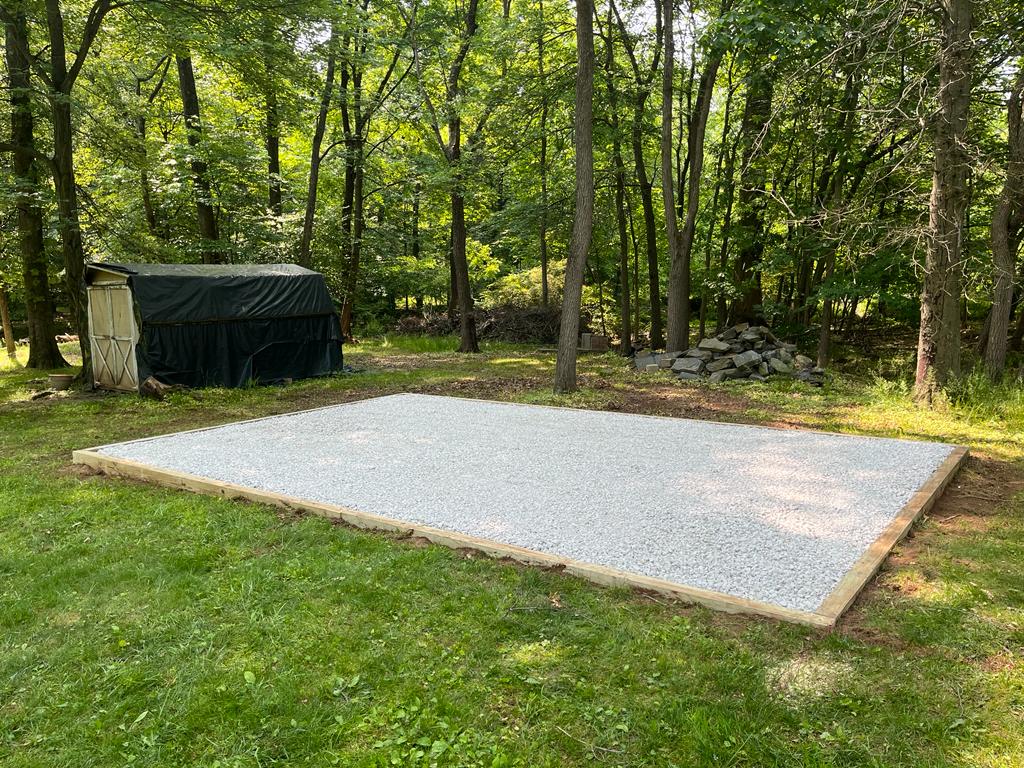
Option 3: Gravel and Crushed Stone
It is important to make a distinction here: gravel is often used as a base for a wood floor, but it can also serve as the floor itself for certain types of utilitarian structures.
The Drainage Champion
A gravel pad is essentially a dug-out area filled with crushed stone. The primary benefit here is drainage. Water flows right through the stones and into the earth, meaning water rarely pools inside the shed. For sheds used strictly for storing firewood, waterproof garden tools, or a wheelbarrow, a gravel floor is incredibly cost-effective.
Ease of Installation
Gravel pads are relatively easy to install compared to concrete. They require digging out the topsoil, laying down a geotextile fabric (to stop weeds and keep the stones from sinking into the dirt), and compacting the stone.
The Limitations
However, as a primary floor, gravel has significant downsides. It creates a damp environment inside the shed because moisture from the ground rises easily through the rocks. This leads to condensation, which can rust tools and mold cardboard boxes. It is also difficult to keep clean—you can’t sweep a gravel floor—and small items dropped on the ground are easily lost. For most homeowners, we recommend gravel as the foundation pad that a pressure-treated wood floor sits on, rather than the floor itself.
Comparison Guide: Durability, Cost, and Maintenance
To help you visualize which material suits your needs, let’s break down the three main factors that usually drive the decision: durability, cost, and maintenance.
Durability
- Concrete: (10/10) The undisputed champion. A well-poured slab can last 50+ years with ease. It handles the heaviest loads and the harshest weather.
- Pressure-Treated Lumber: (7/10) Very durable if installed correctly off the ground. Expect 20–30 years of life, provided the roof doesn’t leak and air circulation is maintained.
- Gravel (as a floor): (5/10) The gravel itself lasts forever, but as a floor system, it shifts, develops ruts, and allows moisture to degrade the items inside the shed.
Cost
- Concrete: High. Between the cost of the cement truck, the rebar reinforcement, and the skilled labor required to finish it smooth, this is your biggest investment.
- Pressure-Treated Lumber: Moderate. Lumber prices fluctuate, but generally, this costs significantly less than concrete. It is the best balance of performance vs. price.
- Gravel: Low. This is the budget-friendly option, but remember that the savings might be offset by the damage moisture causes to your stored items.
Maintenance Requirements
- Concrete: Low. You might need to seal it every few years to prevent staining from oil drips, but structurally, it takes care of itself.
- Pressure-Treated Lumber: Moderate. You need to ensure the perimeter stays clear of vegetation to allow airflow. The plywood surface may need painting or sealing to protect it from foot traffic and spills.
- Gravel: Moderate/High. You will need to rake it occasionally to keep it level and top it up as stones migrate or get pushed into the mud. Weeding may also be required if the weed barrier fails.
Installation Tips from Firm Foundations
Regardless of the material you choose, the preparation of the site is what determines success. Here is how we ensure a level and lasting base for every project at Firm Foundations.
Remove the Topsoil
You cannot build directly on grass or topsoil. Organic matter acts like a sponge, holding water and causing the ground to swell and shrink with the seasons. This movement will crack concrete and twist wood frames. We always excavate down to the subsoil.
The Power of Compacted Stone
Whether you are pouring concrete or building a wood deck, a layer of compacted crushed stone is essential. This creates a stable, non-shifting pad that facilitates drainage. It stops the “heave” that happens during freezing temperatures.
Vapor Barriers are Vital
If you choose a concrete slab, a vapor barrier (thick plastic sheeting) goes under the concrete to stop ground moisture from wicking up into the slab (which makes the shed clammy). If you choose a wood floor, ensuring airflow underneath helps, but we also recommend using marine-grade plywood or treating the underside of the shed flooring.
Level is King
We use laser levels to ensure the site is perfectly flat before construction begins. If the foundation is out of level by even an inch, it throws the entire structure out of square. This leads to doors that bind, windows that won’t open, and shingles that don’t lay flat.
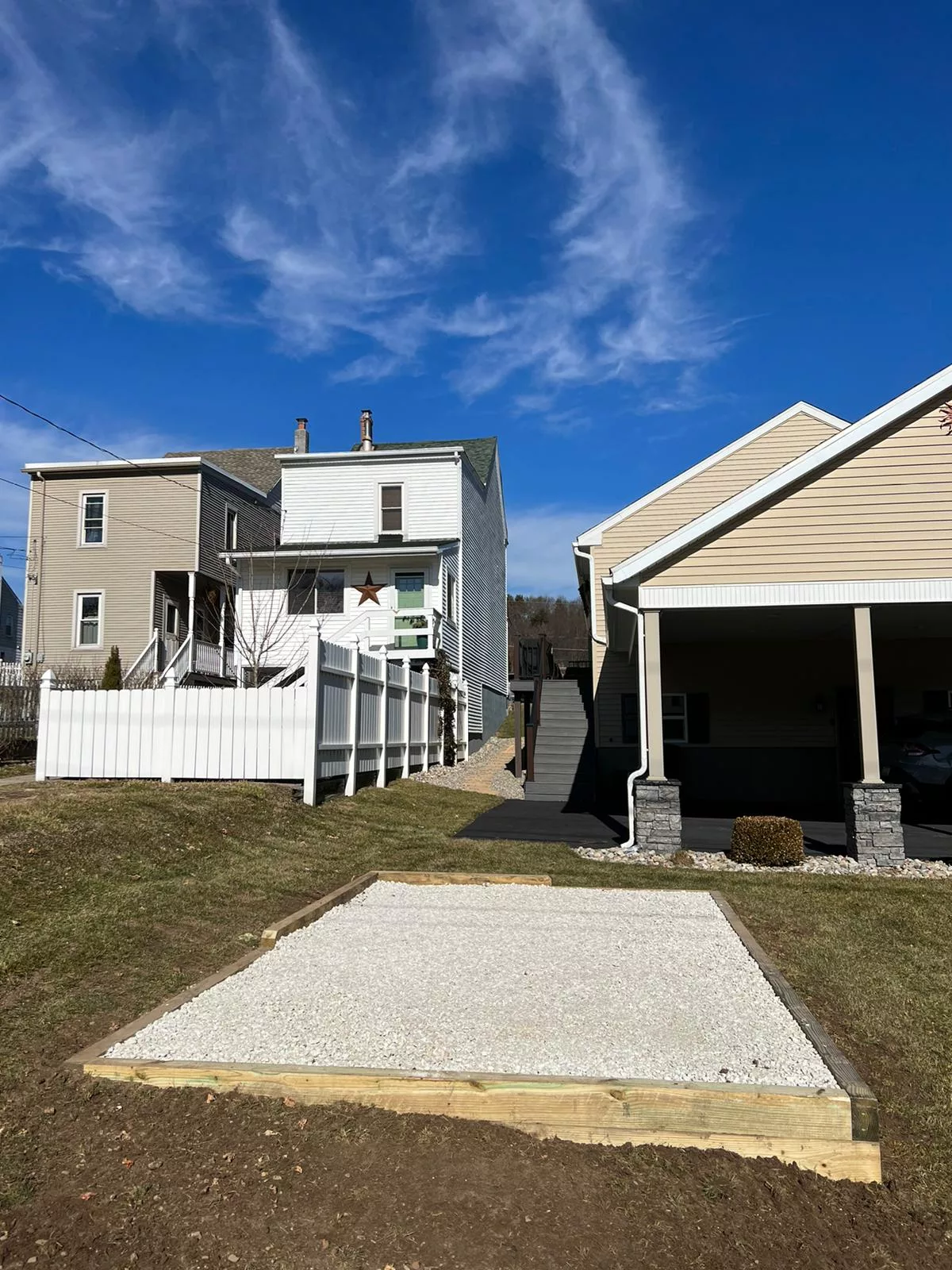
Protecting Your Investment
A shed is more than just four walls and a roof; it is an extension of your home and a guardian of your belongings. Whether you choose the industrial strength of concrete or the warm versatility of pressure-treated lumber, the goal remains the same: a dry, stable environment.
At Firm Foundations, we take pride in helping homeowners navigate these choices. We know that the work we do today prevents the headaches of tomorrow. Don’t let a budget-friendly but inadequate floor compromise the integrity of your new structure. Start from the ground up, choose the right material for your specific needs, and enjoy a shed that stands the test of time.
Firm Foundations LLC
https://maps.app.goo.gl/Uf6XdgtpBTETgNrr7
1535 White School Rd, Honey Brook, PA 19344, United States
(717) 716-7267
https://shedpads.com/