
Concrete Foundation
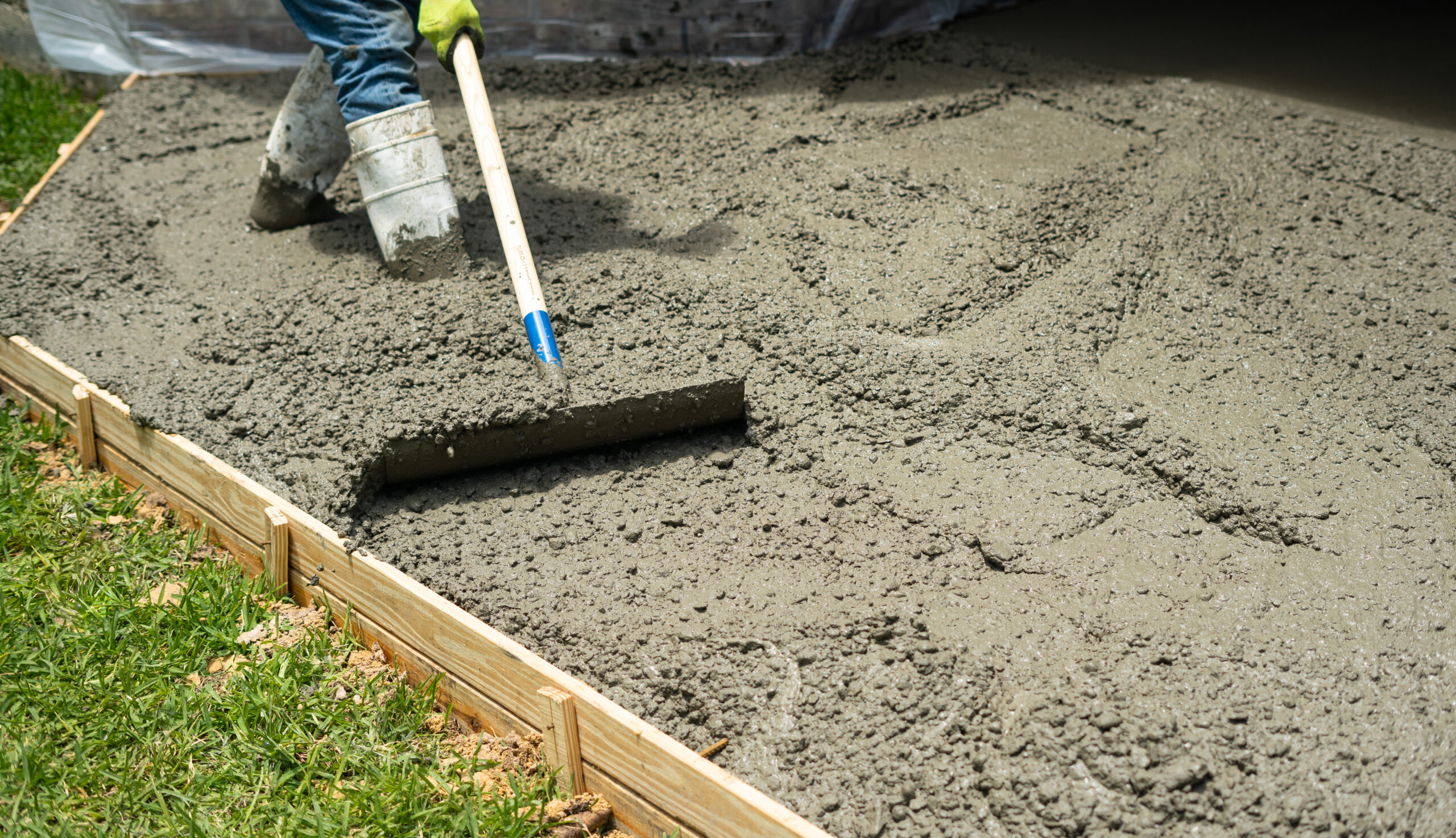
Avoid These 7 Costly Mistakes When Building a Concrete Foundation
When building your dream home, the concrete foundation might not be as exciting as the kitchen or staircase, but it’s the most critical part of the structure. A solid foundation supports the house, keeps out moisture, and resists ground movement. If done poorly, it can lead to a homeowner’s worst nightmare: cracked walls, uneven floors, and leaky basements.
Fixing a faulty foundation is far more expensive and disruptive than building it correctly the first time. Understanding the common pitfalls of concrete construction is crucial to avoid costly repairs. Whether you’re building yourself or hiring a contractor, knowing these seven mistakes will help you protect your investment and ensure your home stands strong for generations.
Why Precision is the Cornerstone of Firm Foundations
At Firm Foundations, we believe that concrete work is as much a science as it is a trade. The difference between a slab that cracks within a year and one that lasts a century often comes down to minute details that aren’t visible to the untrained eye.
We prioritize precision in the initial stages because we understand the physics of load-bearing structures. A variance of just a fraction of an inch in the leveling can create stress points that eventually fracture under the weight of the house. We treat site preparation not as a preliminary chore, but as the most vital step in the process. By blending geotechnical knowledge with superior craftsmanship, we ensure that every project we undertake is built on certainty, not guesswork.
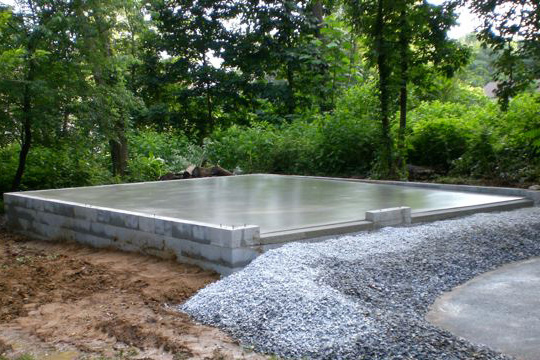
Mistake 1: Improper soil compaction and site assessment
The concrete isn’t actually what holds your house up; the ground beneath the concrete does. If that ground is unstable, the concrete is merely a heavy passenger on a sinking ship. One of the most frequent and disastrous errors in foundation work is neglecting the soil conditions.
Different soil types react differently to weight and moisture. Clay soil, for instance, is expansive—it swells when wet and shrinks when dry. Sandy soil drains well but can shift if not contained. If a contractor pours concrete over uncompacted, loose dirt (“fill dirt”), the soil will eventually settle under the immense weight of the house. This settling is rarely uniform. One corner of the house might sink faster than the others, leading to differential settlement. This twists the frame of the house, cracking foundations, walls, and ceilings.
How to avoid it:
A proper site assessment involves testing the soil’s bearing capacity. Before any forms are set, the soil must be excavated to the correct depth to reach undisturbed earth. If fill dirt is needed to level the site, it must be added in thin layers and mechanically compacted to a specific density. Skipping the compactor or assuming the ground “looks hard enough” is a gamble no builder should take.
Mistake 2: Neglecting local climate factors and moisture control
Concrete is a porous material. While it looks solid, it acts somewhat like a hard sponge, absorbing moisture from the ground. If this moisture migration isn’t managed, it can lead to a host of problems, from mold growth and rotting floor joists to structural degradation.
The local climate plays a massive role here. In colder regions, the freeze-thaw cycle is a formidable enemy. When water trapped in the soil or the concrete freezes, it expands with tremendous force. This phenomenon, known as frost heave, can lift a foundation right out of the ground, cracking it in the process. Conversely, in hot, arid climates, rapid evaporation can suck moisture out of the soil, causing it to shrink away from the foundation and leaving it unsupported.
How to avoid it:
Ignoring the water table or the frost line is a recipe for failure. Foundations must be dug below the local frost line to prevent heaving. Additionally, a vapor barrier—typically a thick sheet of plastic—must be placed between the ground and the concrete slab. This stops ground moisture from wicking up into the home. For basements and crawl spaces, exterior waterproofing membranes are non-negotiable to keep the interior dry and healthy.
Mistake 3: Using the wrong concrete mix or insufficient reinforcement
Concrete is not a one-size-fits-all product. It is a chemical recipe composed of cement, water, and aggregates (sand and gravel). The ratio of these ingredients determines the strength and durability of the final product.
A common mistake is adding too much water to the mix to make it easier to pour and spread. While “soupy” concrete flows better, the excess water dilutes the cement paste, significantly weakening the cured slab and making it prone to shrinkage cracks. Similarly, ordering a mix with a PSI (pounds per square inch) rating that is too low for the intended load will result in structural failure.
Furthermore, concrete has high compression strength (it’s hard to crush) but low tensile strength (it’s easy to pull apart). That is why steel reinforcement, such as rebar or wire mesh, is essential. It holds the concrete together when the ground shifts or tension is applied.
How to avoid it:
Always specify the correct concrete mix for the application. A driveway needs a different mix than a footer or a basement wall. Ensure the contractor does not water down the mix on-site. Crucially, verify that the steel reinforcement is not just present, but positioned correctly. Rebar that ends up lying at the bottom of the slab provides little structural benefit; it needs to be suspended in the middle of the pour using “chairs” or supports.
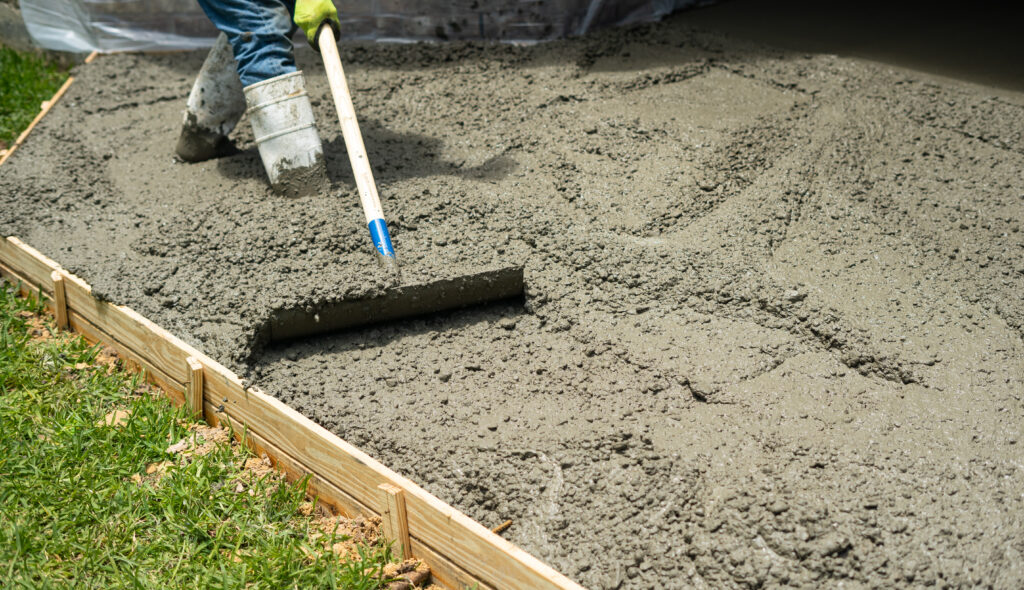
Mistake 4: Inaccurate formwork and leveling errors
Forms are the wooden or metal molds that hold the wet concrete in place while it sets. If the forms are not square, level, and plumb, the foundation will be crooked. This might sound like a minor aesthetic issue, but it creates a nightmare for every trade that follows.
If a foundation is out of square, carpenters have to struggle to frame the house. Flooring installers will have to use gallons of self-leveling compound to fix dips and humps. Cabinets won’t hang straight, and doors will swing open on their own. The cost of correcting a crooked concrete foundations ripples through the entire construction budget, often causing delays and material waste.
How to avoid it:
Precision is key during the layout phase. Contractors should use laser levels and check diagonals repeatedly to ensure the corners are perfectly square (90 degrees). The forms must be braced strongly enough to withstand the immense pressure of the wet concrete without bowing or blowing out. At Firm Foundations, we double-check every measurement before the truck arrives, knowing that once the concrete is poured, there is no “undo” button.
Mistake 5: Rushing the curing process and temperature management
Once the concrete is poured and finished, many people assume the job is done. However, concrete does not “dry” in the traditional sense; it cures through a chemical reaction called hydration. This reaction requires water and heat to reach full strength.
One of the most damaging mistakes is allowing the concrete to dry out too quickly. If the surface water evaporates before the chemical reaction is complete, the surface will become weak, dusty, and covered in a web of fine cracks known as “crazing.”
Temperature extremes also pose a threat. If concrete freezes before it cures, its internal structure is shattered, reducing its strength by up to 50%. If it gets too hot, it sets too fast, leading to thermal cracking.
How to avoid it:
Patience is essential. The concrete needs to be kept moist for several days after pouring. This can be done by spraying it with water, covering it with wet burlap, or applying a chemical curing compound that seals the moisture in. In cold weather, the ground must be thawed before pouring, and the fresh concrete may need to be covered with insulating blankets. In hot weather, pouring early in the morning prevents rapid evaporation. Managing this critical window of time ensures the concrete reaches its maximum potential strength.
Mistake 6: Overlooking drainage planning around the foundation
You can build the strongest foundation in the world, but if you let water pool around it, it will eventually fail. Water exerts hydrostatic pressure against foundation walls. Over time, this pressure can push water through solid concrete, causing leaks, or even bow the walls inward, threatening structural collapse.
Many builders focus solely on the building itself and neglect the grading of the landscape. If the ground slopes toward the house, rainwater and snowmelt will be funneled directly against the foundation.
How to avoid it:
Drainage planning starts before the first shovel hits the dirt. The finished grade should slope away from the home foundation—typically a drop of 6 inches over the first 10 feet is recommended. Additionally, a perimeter drain system (often called a French drain) should be installed at the footing level. This pipe collects water that accumulates underground and directs it away from the house. Gutters and downspouts are also part of this system; they should deposit roof water at least 5 to 10 feet away from the foundation.
Mistake 7: Hiring inexperienced contractors instead of specialists
Perhaps the most costly mistake of all is hiring the wrong team for the job. In an effort to save money, homeowners often accept the lowest bid or hire a general handyman to pour a slab.
Concrete work is unforgiving. Unlike wood, which can be cut and re-nailed, or drywall, which can be patched, concrete is permanent. An inexperienced contractor may not understand the nuances of soil compaction, reinforcement placement, or mix ratios. They might cut corners on site prep or rush the finishing process. The money saved on the initial bid often evaporates the moment the first crack appears.
How to avoid it:
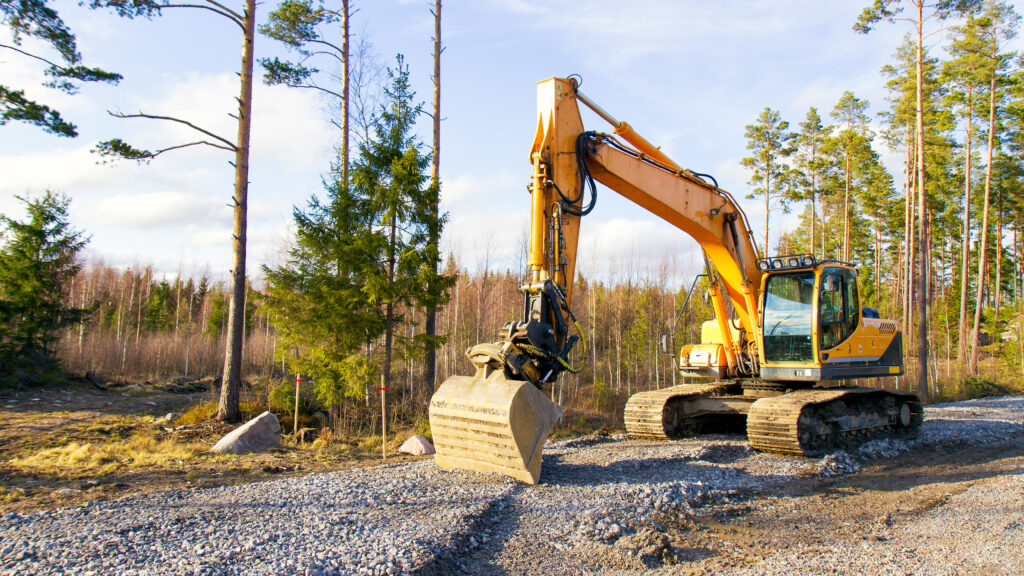
Treat your foundation contractor selection as an interview for a critical partner. Look for specialists who focus specifically on concrete and excavation. Ask about their processes for soil testing, reinforcement, and curing. A company like Firm Foundations doesn’t just pour cement; we engineer stability. We have the heavy equipment, the specialized crew, and the technical expertise to handle unexpected site conditions. Investing in a specialist ensures that the base of your home is built to code and built to last.
The long-term value of a flawless foundation
Building a home is an exercise in decision-making, and budget constraints are a reality for every project. However, the foundation is the one area where compromise should never be an option. The structural integrity of your entire home relies on the quality of the work done below ground.
By avoiding these seven mistakes—from poor soil prep to hiring the wrong crew—you are buying peace of mind. A well-built foundation means dry basements, level floors, and a structure that holds its value over time. It means you won’t be waking up ten years from now to the sound of a settling house or the sight of a cracking wall.
When you choose to work with experts like Firm Foundations, you aren’t just paying for materials and labor; you are investing in the longevity and safety of your home. We take pride in getting it right the first time, so you never have to think about your foundation again.
Firm Foundations LLC
https://maps.app.goo.gl/Uf6XdgtpBTETgNrr7
1535 White School Rd, Honey Brook, PA 19344, United States
(717) 716-7267
https://shedpads.com/